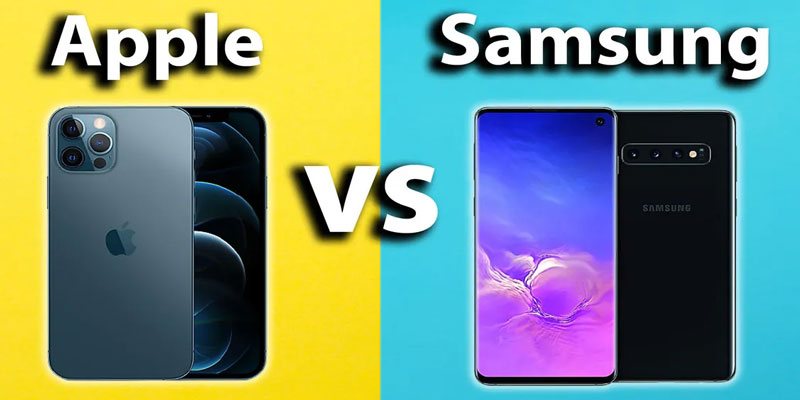
Tesla’s anticipated “Pi Phone,” rumored to launch in 2025 with an estimated price of $789, aims to disrupt the smartphone market dominated by Apple and Samsung. The uniqueness lies in its integration with Neuralink’s brain-computer interface chips, enabling users to control the device using thoughts alone—a futuristic feature that could revolutionize human-device interaction.
Neuralink, Elon Musk’s brain implant startup, has made significant progress with successful human implants and plans to double and triple electrode channels by 2027 and 2028, enhancing brain-computer communication capabilities. The Pi Phone would be the first commercial device to pair directly with Neuralink implants, enabling functions like typing, unlocking phones, or sending money via neural commands.
Beyond mind control, the Tesla phone reportedly includes advanced features such as solar charging and astrophotography-grade cameras. Its integration with Tesla’s broader ecosystem, including Starlink satellites and Optimus robots, sets it apart from competitors focused solely on conventional hardware improvements.
However, skepticism exists about the feasibility and privacy implications of such technology. Security experts warn that brain-computer interfaces introduce novel cybersecurity risks, possibly more severe than traditional device invasions. Data privacy, hacking attacks, and ethical issues regarding neurotechnology use will demand robust safeguards.
Marketwise, Tesla’s phone represents an aggressive move into consumer electronics, challenging Apple and Samsung on innovation rather than incremental upgrades. If successful, it could trigger a paradigm shift in how humans interact with devices, blending neural computing with mobile technology.
While still speculative, Tesla’s phone with Neuralink chips embodies Musk’s vision for a future where human thought seamlessly interfaces with AI and machines, marking a bold step toward next-generation personal technology.