
A Grim Toll Beyond Borders
Government data reveal a stark and troubling reality: over 20 Indian workers died abroad every day between 2021 and 2025, amounting to 37,740 deaths in five years. The majority of these fatalities occurred in Gulf nations, long considered the backbone of India’s overseas employment ecosystem. The numbers peaked in 2021 with 8,234 deaths, dipped slightly in 2022, and then steadily rose again, reaching 7,854 in 2025. This persistent trend points to a deeper structural crisis embedded within India’s migration-for-work model.
The Gulf as the Epicentre
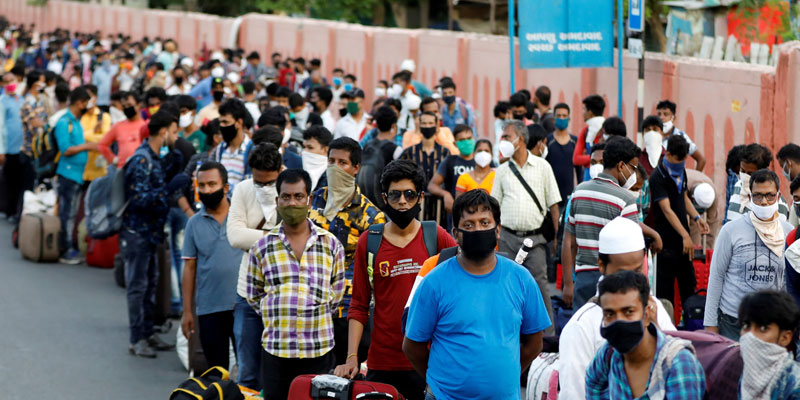
A closer look at the data shows a heavy geographic concentration. The United Arab Emirates and Saudi Arabia together account for over 24,000 deaths, followed by Kuwait, Oman, and Qatar. In total, more than 86 per cent of all fatalities occurred in Gulf countries—roughly 18 deaths per day in that region alone.
This concentration reflects the scale of Indian labour migration to the Gulf, particularly in sectors such as construction, domestic work, and low-skilled services. However, it also exposes how dependency on a single region amplifies risks, especially where labour protections remain uneven.
Causes Beneath the Numbers
While the government has not provided a detailed breakdown of causes, multiple studies and field reports point to recurring factors: cardiovascular stress, workplace accidents, extreme heat exposure, and chronic exhaustion. Many workers operate in physically demanding conditions with limited access to healthcare and inadequate rest.
Equally concerning is the systemic nature of these vulnerabilities. Over 80,900 complaints were registered by Indian missions abroad during the same period, ranging from wage theft and contract violations to abuse and unsafe living conditions. These figures suggest that fatalities are often the culmination of prolonged neglect rather than isolated incidents.
Structural Gaps in Protection
At the heart of the crisis lies a mismatch between economic reliance and institutional safeguards. India is one of the world’s largest recipients of remittances, a significant portion of which comes from Gulf-based workers. Yet, the mechanisms to protect these workers—both before departure and at destination—remain fragmented.
Opaque recruitment chains, high placement fees, and misinformation often trap workers in exploitative conditions even before they leave India. On the ground, limited enforcement of labour laws and constrained consular resources further weaken protection. While Gulf countries have initiated reforms, implementation gaps persist, particularly for low- and semi-skilled migrants.
Strategic and Policy Implications
The scale of overseas worker deaths raises critical policy questions for New Delhi. Migration is not just an economic activity; it is a strategic pillar supporting millions of households and contributing to macroeconomic stability.
This reality demands stronger bilateral labour agreements, mandatory health insurance frameworks, and tighter regulation of recruitment agencies. It also calls for expanding the capacity of Indian missions to respond swiftly to distress situations. From a geopolitical standpoint, safeguarding migrant workers must be elevated from a welfare concern to a core element of foreign policy.
From Remittances to Responsibility
The loss of over 37,000 lives in five years is not merely a statistic—it is a human cost that underscores the vulnerabilities of India’s global workforce. As the country continues to rely on overseas employment for economic resilience, it must equally invest in protecting those who sustain it. Ensuring safer migration pathways, stronger legal safeguards, and accountable international partnerships is no longer optional. It is an urgent responsibility—one that defines not just policy effectiveness, but the value placed on Indian lives beyond its borders.
(With agency inputs)