A Nation Braces: Verdict Day Amid Explosions and Fear
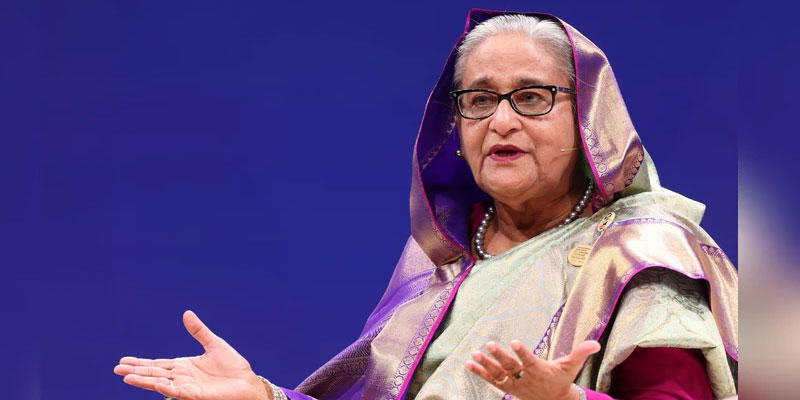
Bangladesh stands on the brink today as Sheikh Hasina—the country’s longest-serving Prime Minister and once its most dominant political force—faces a historic and explosive verdict in Dhaka on charges of “crimes against humanity.” The hours leading up to the announcement have unfolded under a cloud of violence: waves of arson, scattered bomb blasts, and a capital locked down under extraordinary security orders. For millions, the day feels less like a legal milestone and more like a turning point in a nation’s struggle to define its political future.
From Power to Exile: The Unraveling of a Political Titan
Hasina’s dramatic fall began in August 2024, when weeks of student-driven protests over government job quotas—as well as long-simmering accusations of autocracy—erupted into nationwide unrest. As clashes intensified and parts of Dhaka descended into chaos, Hasina resigned and fled to India, ending more than twenty years of Awami League dominance.
Her departure opened the door for an interim government led by Nobel laureate Muhammad Yunus, which quickly pledged fresh elections but moved just as swiftly to ban the Awami League, drive its leadership into hiding, and initiate criminal charges against Hasina. From exile, she has denounced the trial as a “political vendetta,” accusing the interim regime of authoritarian tactics and alleging coordinated attacks against her supporters and minorities.
A City Under Siege: Attacks, Arrests, and a Digital Resistance
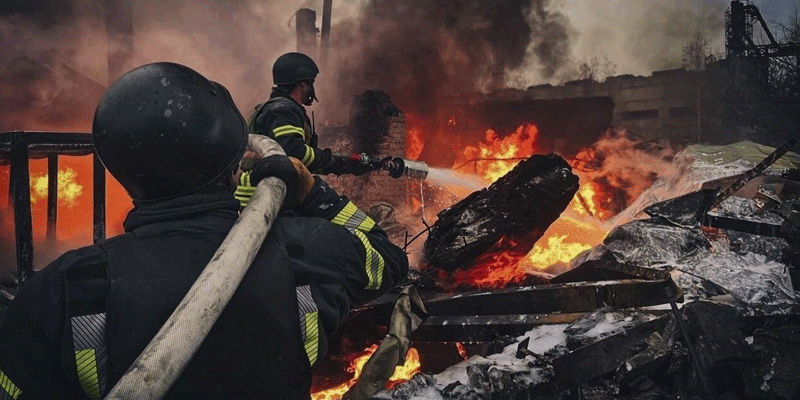
The tense build-up to the verdict has plunged Dhaka into its worst period of unrest in years. Since November 10, more than fifty arson attacks have torched buses, police posts, and even the headquarters of Grameen Bank. Crude bombs detonated late Sunday near a senior government adviser’s home and in commercial districts, deepening public panic. Authorities have responded with sweeping “shoot-at-sight” orders aimed at curbing violence.
Unable to organize publicly, the Awami League now operates mainly online, calling for nationwide shutdowns and urging supporters to resist a verdict they say is illegitimate. The city’s streets, however, remain eerily empty—patrolled by security forces armed with new authority and a mandate to restore order by force.
The Trial in Absentia: Justice or Political Retaliation?
Hasina and her former home minister are being tried in absentia by the International Crimes Tribunal for their alleged roles in deadly crackdowns during the “July Uprising.” Prosecutors accuse her of mass killings and grave abuses, seeking the death penalty. Hasina rejects every charge, claiming the interim authorities orchestrated the violence to justify removing her.
The verdict is being broadcast live, but any appeal would require Hasina to surrender or be arrested within 30 days—both improbable given her security concerns and political vulnerability.
Deepening Divides: A Nation Fractured by Fear
Hasina’s exile has intensified Bangladesh’s political fracture. Her party reports thousands of arrests, while rights advocates warn of escalating attacks on journalists, lawyers, cultural figures, and minorities. Independent estimates place the death toll from recent unrest above 800, raising fears that the continuing violence may destroy any chance for credible elections or democratic restoration.
A Crossroads with No Easy Path Forward
As Dhaka braces for the verdict, explosions, fear, and uncertainty echo across the city’s shuttered streets. Sheikh Hasina’s trial has become more than a legal battle—it is now a defining test of Bangladesh’s commitment to justice, democracy, and national reconciliation. The country stands at a crossroads, and whichever way the verdict falls, the path ahead promises turbulence, reckoning, and a profound struggle for the soul of the nation.
(With agency inputs)