A War That Could Strengthen Moscow
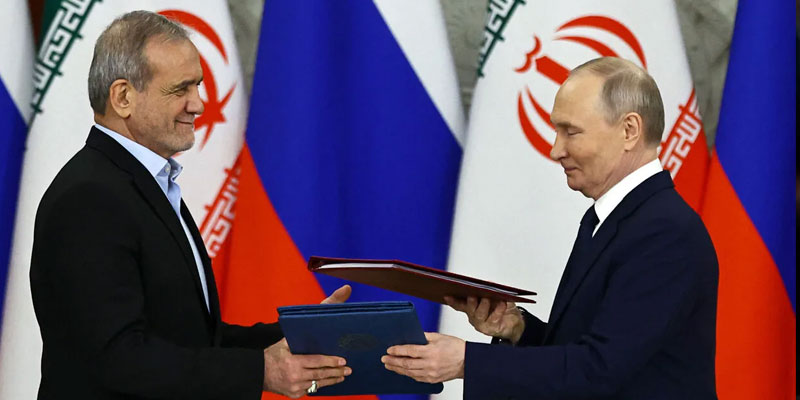
Russia’s President Vladimir Putin may emerge as one of the biggest beneficiaries of the escalating Iran war, even though Moscow is not directly involved in the fighting. The surge in global oil prices triggered by the conflict has dramatically altered Russia’s economic outlook, transforming what had been a sanctions-driven squeeze into a sudden revenue opportunity.
As tensions between the United States, Israel, and Iran intensified—especially with disruptions around the Strait of Hormuz—global energy markets reacted immediately. Oil prices spiked sharply amid fears of supply disruptions in one of the world’s most critical energy corridors. For Russia, whose economy relies heavily on energy exports, this price surge has become a crucial lifeline at a time of mounting financial pressure.
Russia’s Economic Struggles Before the War
Before the Iran conflict erupted, Russia was facing significant economic headwinds. Western sanctions imposed over the war in Ukraine had forced Russian oil to trade at steep discounts. The country’s flagship Urals crude was selling below $60 per barrel, well under Moscow’s budget benchmark.
As a result, Russia’s energy revenues had fallen sharply, hitting a five-year low at the beginning of 2026. The Kremlin was already grappling with the rising costs of its prolonged military campaign in Ukraine, combined with high interest rates and a growing shortage of skilled labour. Officials in the Finance Ministry and the Central Bank had been discussing possible mitigation strategies to stabilise state finances.
The sudden jump in oil prices following the Iran war changed that picture almost overnight. Brent crude surged past $100 per barrel—its highest level in several years—instantly boosting the value of Russia’s energy exports.
From Discounted Oil to Global Demand
The disruptions caused by tensions in the Strait of Hormuz have reshaped global oil flows. With uncertainty surrounding Middle Eastern exports, buyers have increasingly turned to alternative suppliers. This shift has transformed Russian crude from a discounted commodity into a highly sought-after resource.
Countries such as India and China have significantly increased purchases of Russian oil as they scramble to secure stable supplies amid global shortages. Russian officials have openly acknowledged the surge in demand. Kremlin spokesperson Dmitry Peskov described Russia as a “reliable supplier,” while investment envoy Kirill Dmitriev predicted what he called an “oil shock tsunami” benefiting producers.
Moscow’s diplomatic balancing act has also helped preserve its market position. While condemning the killing of Iran’s Supreme Leader Ayatollah Ali Khamenei, Russia has simultaneously maintained engagement with Tehran and key Gulf states, ensuring that its energy trade channels remain open.
Sanctions Relief Adds to the Advantage
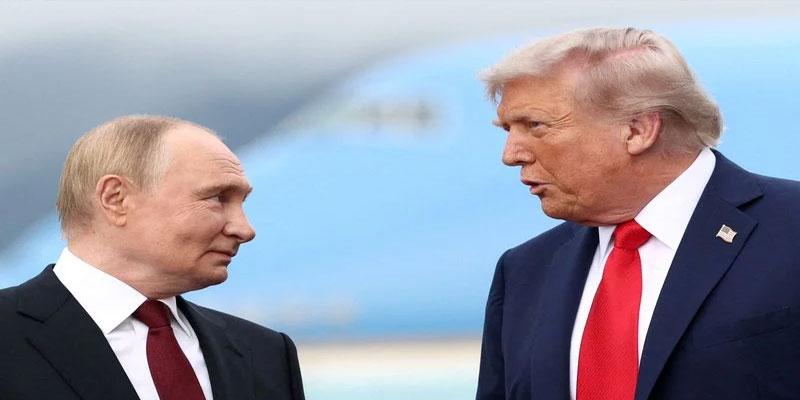
Another unexpected boost for Russia came after a phone call between US President Donald Trump and Vladimir Putin on March 9. During the conversation, Moscow reportedly proposed ideas for a political and diplomatic settlement to the Iran conflict based on its contacts with regional leaders.
Shortly afterward, Washington announced limited waivers on sanctions affecting Russian oil sales to certain countries. India, for instance, received a 30-day exemption to import Russian cargoes stranded near the Strait of Hormuz. The decision effectively eased earlier penalties tied to the Ukraine war and reversed a previously imposed tariff on such imports.
US officials described the move as a temporary measure aimed at stabilizing global energy markets and preventing fuel price spikes. However, the timing has provided Russia with crucial breathing space just when its economy appeared most vulnerable.
Strategic Gains for the Kremlin
Higher oil prices and eased sanctions could strengthen Russia’s geopolitical position. Increased revenues help finance Moscow’s ongoing military campaign in Ukraine without forcing harsh domestic austerity measures. At the same time, Russia is positioning itself as a stabilizing energy supplier at a moment of global uncertainty.
Analysts argue that the crisis reinforces Moscow’s strategy of pivoting toward Asian markets. Countries like India now rely heavily on Russian crude, accounting for roughly a fifth of their imports, deepening economic ties between sanctioned partners.
Opportunity Within Crisis
While the Iran war has created significant instability across global energy markets, it has simultaneously opened a window of opportunity for Russia. Rising oil prices, renewed demand from Asia, and temporary sanctions relief have together strengthened the Kremlin’s economic footing.
Yet the benefits may come with limits. A prolonged or full disruption of the Strait of Hormuz could eventually weaken global demand and hurt all oil producers. For now, however, the conflict has unexpectedly reshaped the geopolitical energy landscape—placing Vladimir Putin in a stronger position than many observers anticipated.
(With agency inputs)