From Epstein Revelations to Renewed Accusations
The ongoing controversy surrounding the so-called Epstein Files has reignited public scrutiny of powerful figures once linked—directly or peripherally—to convicted sex offender Jeffrey Epstein. Among the names resurfacing in online debates is pop icon Michael Jackson, despite his death in 2009 and acquittal in a 2005 criminal trial.
Now, fresh allegations of child sex trafficking have been filed against Jackson’s estate, intensifying a long-running and deeply polarized global conversation. While Jackson was cleared of molestation charges two decades ago, and no criminal case is currently active against him, the new civil lawsuit has reopened wounds for survivors, fans, and critics alike.
The Latest Lawsuit: Cascio Siblings’ Claims
On February 27, 2026, four siblings—Edward, Dominic, Marie-Nicole, and Aldo Cascio—filed a lawsuit in US District Court in Los Angeles against Jackson’s estate. They allege decades-long abuse beginning when they were between seven and eight years old. According to the complaint, the siblings claim Jackson groomed, drugged, sexually abused, and trafficked them during visits to his California estate, on global tours in the 1990s (including the Dangerous and HIStory tours), and on trips to Florida, Europe, and Bahrain.
The suit further accuses members of Jackson’s inner circle of enabling and concealing misconduct. It seeks to void a prior financial settlement reportedly valued at $690,000 per year, reached after the 2019 documentary Leaving Neverland reignited abuse allegations. Jackson estate attorney Marty Singer has dismissed the claims as a “desperate money grab,” maintaining that the accusations are recycled and previously discredited.
The Epstein Files Connection
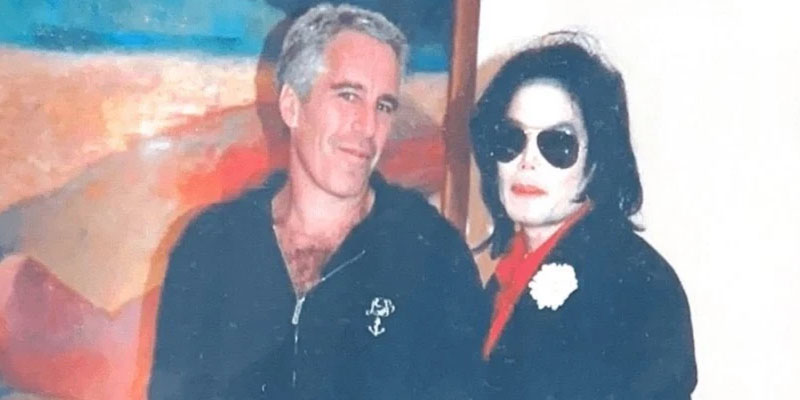
Jackson’s name appears in documents released in 2025 connected to Epstein’s trafficking network. The files reportedly include photographs of Jackson with Epstein and references in flight logs and depositions. However, unlike more than 100 living individuals named in the documents, Jackson is not accused of wrongdoing within the Epstein records themselves. His mention has nonetheless fueled speculation, particularly across social media platforms, where nuance often yields to sensationalism.
The convergence of the lawsuit’s timing with the Epstein document releases has intensified conspiracy theories—some portraying Jackson as a scapegoat, others viewing the new claims as part of a broader pattern of concealed celebrity misconduct.
Neverland Ranch: Sanctuary or Crime Scene?
Central to the allegations remains Neverland Ranch, Jackson’s sprawling 2,700-acre California property complete with amusement park rides, a zoo, and a private train. Prosecutors in earlier cases argued the estate functioned as a grooming ground designed to attract young boys. Jackson consistently described it as a haven for disadvantaged children.
Supporters, including former child star Macaulay Culkin, have publicly defended Jackson, asserting he never witnessed inappropriate conduct and was himself protective of children. Critics counter that power imbalances and celebrity access make delayed disclosures common in abuse cases.
Legal, Financial, and Cultural Implications
Legally, the case unfolds under expanded US statutes enacted in 2022 that extend limitation periods for child sex trafficking claims. Civil litigation against estates is not uncommon, particularly when potential financial recovery is significant—the Jackson estate is estimated to have generated more than $2 billion since his death.
Culturally, the allegations deepen a divide that has persisted since the 1990s: Jackson as an emblem of innocence and artistic genius versus Jackson as an alleged predator shielded by fame. Social media reactions range from outrage at suing a deceased figure to renewed calls for accountability, reflecting the broader tension between due process and delayed justice.
Legacy Under Perpetual Scrutiny
The latest lawsuit against Michael Jackson’s estate underscores the enduring complexity of celebrity abuse allegations. With the shadow of the Epstein Files amplifying suspicion and public distrust, the case sits at the intersection of law, culture, and memory. Whether the courts validate or dismiss the claims, the controversy reveals how legacies in the digital age remain vulnerable to reassessment—especially when questions of power, justice, and accountability refuse to fade.
(With agency inputs)