India and the European Union (EU) have agreed to significantly deepen cooperation in strategic technologies, clean energy, trade, innovation and resilient supply chains, signalling a decisive shift in one of the world's most important strategic partnerships. The third India-EU Trade and Technology Council (TTC) meeting, held in Brussels, marked a transition from broad policy intent to concrete implementation, with both sides outlining a roadmap to strengthen collaboration in emerging technologies, industrial innovation and economic resilience amid an increasingly uncertain global landscape.
From Strategic Dialogue to Action-Oriented Partnership
India-EU relations have steadily evolved from a traditional political engagement into a comprehensive strategic partnership driven by shared democratic values, economic interests and technological collaboration. Today, the European Union is India's largest trading partner, with bilateral ties increasingly centred on market access, regulatory cooperation, digital transformation and sustainable development.
Recognising the need for an institutional mechanism to steer this expanding agenda, India and the EU established the Trade and Technology Council (TTC) in 2022. Modelled as a high-level platform, the TTC seeks to align trade, technology and industrial policies while promoting innovation, secure supply chains and trusted digital ecosystems.
Third TTC Meeting: A Major Milestone
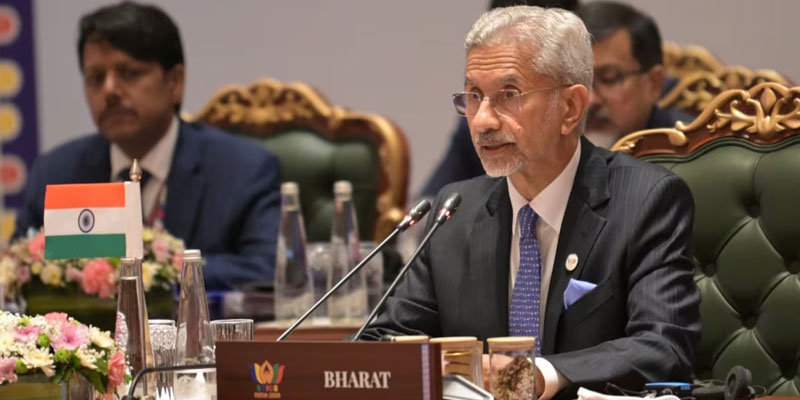
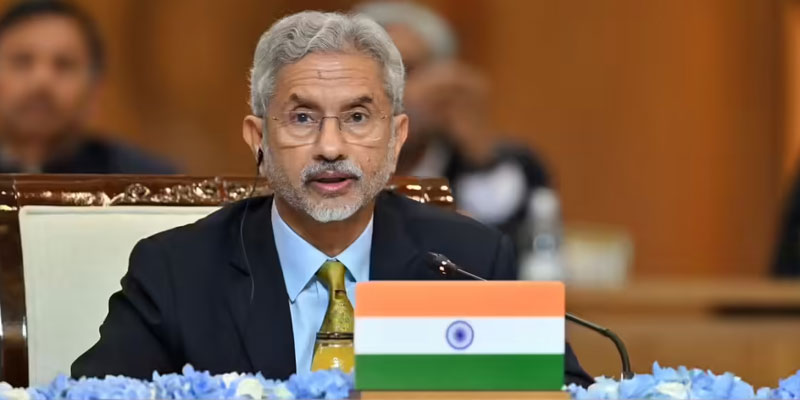
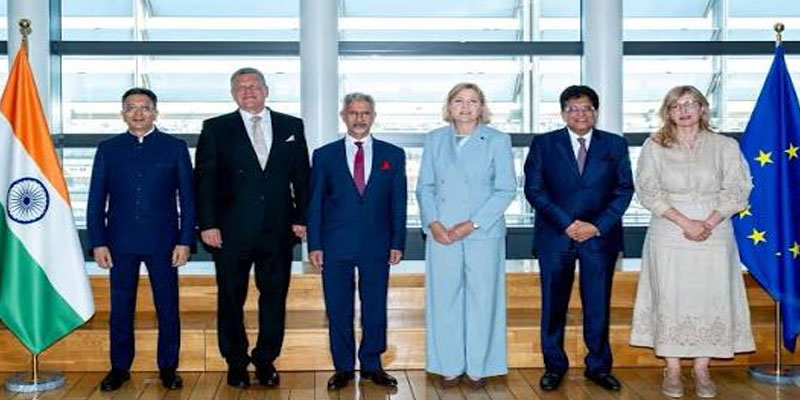
The third TTC meeting, held in Brussels on July 15, 2026, reaffirmed the Council's role as the central platform for advancing India-EU cooperation in trade, technology and economic security. Co-chaired by External Affairs Minister S. Jaishankar, Commerce and Industry Minister Piyush Goyal and Minister of State Jitin Prasada, along with senior European Commissioners, the meeting endorsed plans to upgrade the TTC by the end of 2026, following the political commitment made during the 16th India-EU Summit earlier this year.
Unlike previous meetings, the latest discussions focused on translating political commitments into measurable outcomes through sector-specific initiatives and implementation mechanisms.
Key Outcomes and Areas of Cooperation
The Brussels meeting produced a series of concrete initiatives aimed at strengthening technological and industrial collaboration.
India and the EU agreed to begin formal negotiations for India's association with Horizon Europe, the EU's flagship research and innovation programme. This move is expected to significantly expand opportunities for Indian researchers, universities and technology firms to collaborate on cutting-edge scientific projects.
The two sides also announced the launch of the first EU-India Innovation Hub, dedicated to electric vehicle (EV) charging infrastructure and testing technologies. In addition, they unveiled an EU-India Startup Partnership to promote deep-tech innovation, particularly in clean technologies and sustainable industrial solutions.
The partnership will also intensify cooperation in strategically important sectors such as semiconductors, artificial intelligence (AI), quantum technologies, high-performance computing and sixth-generation (6G) telecommunications. Both partners further committed to building resilient value chains in agri-food systems, active pharmaceutical ingredients (APIs) and clean-energy technologies, reducing vulnerabilities arising from excessive dependence on concentrated global supply sources.
Strategic and Economic Significance
The latest developments underscore a broader transformation in India-EU relations—from policy dialogue to implementation-driven cooperation. For India, the partnership offers greater access to advanced technologies, global innovation networks, harmonised standards and diversified supply chains, while supporting its ambitions in manufacturing, digital transformation and green growth.
For the European Union, India represents a trusted democratic partner with expanding manufacturing capabilities, a large innovation ecosystem and a pivotal role in ensuring resilient Indo-Pacific supply chains. Complementing the recently concluded India-EU Free Trade Agreement negotiations, the upgraded TTC provides an institutional framework to address technology governance, industrial cooperation and regulatory coordination beyond conventional trade issues.
A Partnership Shaping the Future
The outcomes of the third TTC meeting demonstrate that India and the European Union are building a future-oriented partnership anchored in innovation, economic resilience and strategic trust. By converting shared ambitions into actionable initiatives, both sides are positioning themselves to jointly address emerging technological, industrial and geopolitical challenges while creating new opportunities for sustainable growth, competitiveness and long-term global leadership.
(With agency inputs)