Bullion Remains Under Pressure Despite Elevated Indian Prices
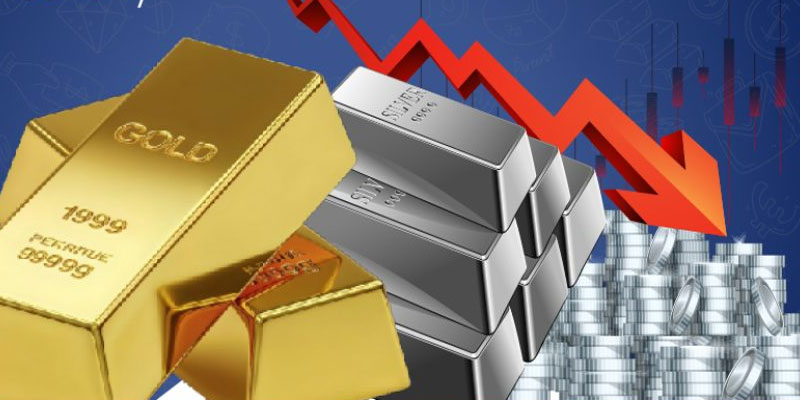
Gold prices continue to hover near a seven-month low in global markets, extending losses for a third consecutive session as a stronger U.S. dollar and expectations of higher interest rates weigh on investor sentiment. The decline reflects changing market expectations around monetary policy, with investors increasingly betting that U.S. rates may remain elevated for longer than previously anticipated.
While international bullion prices have softened, Indian consumers are seeing a more nuanced picture. Domestic gold prices remain relatively high due to currency movements, import costs and taxes, limiting the extent to which global declines translate into lower retail rates.
Why Gold Is Losing Momentum
Gold is traditionally viewed as a safe-haven asset, but unlike bonds or savings instruments, it does not generate interest income. As a result, higher interest rates tend to reduce its attractiveness because investors can earn better returns elsewhere.
The recent strength in the U.S. dollar has further pressured gold. Since gold is priced globally in dollars, a stronger greenback makes the metal more expensive for buyers using other currencies, often reducing international demand.
This inverse relationship between gold and the dollar has been one of the primary drivers behind the current decline. Markets are also factoring in the possibility that the U.S. Federal Reserve may maintain a cautious approach toward rate cuts, keeping pressure on precious metals.
Gold Prices in India Today
Despite weakness in international markets, gold continues to trade at elevated levels in India.
As of the latest available rates:
· 24-carat gold: Approximately ₹14,585 per gram, or around ₹1,45,850 per 10 grams.
· 22-carat gold: Approximately ₹13,535 per gram, or around ₹1,35,350 per 10 grams.
Some retail platforms report slightly different prices depending on location, taxes and product categories, but overall valuations remain significantly above historical averages.
The divergence between global weakness and domestic resilience highlights the impact of exchange rates and local market factors on Indian gold pricing.
Other Precious Metals: Mixed Trends Continue
The broader precious-metals market is also experiencing varied movements.
· Silver: Around $57.26 per ounce internationally.
· Platinum: Approximately $1,571.95 per ounce globally and about ₹5,410 per gram in India.
· Palladium: Trading near $1,181.46 per ounce, showing modest gains compared to other metals.
While silver and platinum have softened alongside gold, palladium has demonstrated relative resilience. This divergence reflects differences in industrial demand, supply conditions and investor positioning across metals.
What Should Buyers and Investors Do?
For jewellery buyers, the current correction could provide an opportunity to stagger purchases rather than making large one-time commitments. Since domestic prices remain elevated, averaging purchases over time may help manage price volatility.
Long-term investors should closely monitor two factors: the direction of the U.S. dollar and movements in the Indian rupee. Even if global gold prices decline further, currency fluctuations can significantly influence local prices.
Investors seeking diversification may also evaluate silver and platinum, though gold remains the dominant hedge against economic uncertainty.
Global Weakness, Local Resilience
Gold's current softness reflects broader macroeconomic forces rather than a collapse in long-term demand. Stronger U.S. dollar conditions and expectations of higher interest rates have reduced bullion's appeal in global markets, pushing prices toward seven-month lows. However, Indian buyers continue to face relatively high local prices due to currency and tax factors. The near-term outlook will largely depend on U.S. monetary policy and dollar movements. For buyers and investors, patience, gradual accumulation and close attention to global trends remain the most prudent strategies in an uncertain market environment.
(With agency inputs)