Death Sentence for Sheikh Hasina Triggers Extradition Standoff
The conviction and death sentence handed to former Bangladesh Prime Minister Sheikh Hasina for crimes against humanity linked to the 2024 student uprising has thrust India into a fraught diplomatic crisis. Hasina, who has lived in exile in India since fleeing mass protests in August 2024, is now the subject of an extradition request by Bangladesh’s interim government. Dhaka insists that New Delhi surrender her under the bilateral treaty, placing India’s legal responsibilities and strategic interests under intense scrutiny.
A Diplomatic Test Amid Regional Upheaval
The unfolding situation marks one of the most sensitive crossroads in India-Bangladesh relations in decades. Hasina’s fall—from a long-serving premier to a political exile convicted in absentia—has created repercussions that extend well beyond Dhaka’s borders. India now faces the challenge of balancing domestic legal considerations, humanitarian concerns, and geopolitical realities at a moment when South Asia is already grappling with volatility.
Conviction Rooted in a Violent Uprising
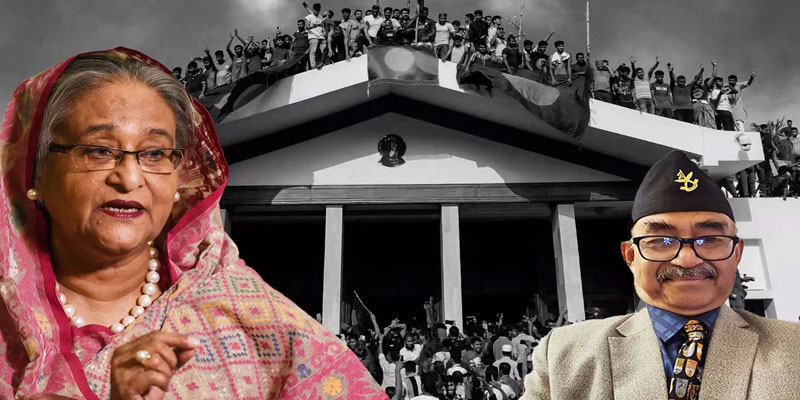
Hasina’s death sentence stems from the brutal suppression of student-led protests in 2024, during which over 1,400 demonstrators were reportedly killed, according to UN and local health sources. The special tribunal—established under the controversial interim administration led by Muhammad Yunus—found her guilty of crimes against humanity. Dhaka argues that the India-Bangladesh extradition treaty obligates New Delhi to hand her over, warning that sheltering her constitutes an “unfriendly act.” The demand extends to other former officials accused of ordering the deadly crackdown.
India’s Position: Caution, Legal Complexity, and Political Exceptions
New Delhi has adopted a deliberately cautious tone, reaffirming its support for peace and democratic stability in Bangladesh while avoiding any commitment on extradition. Legally, India must weigh the bilateral treaty against well-established exceptions. One critical provision allows India to reject extradition if the alleged crimes are considered “political” in nature—an argument legal experts see as central in Hasina’s case, as the charges emanate from a political uprising and subsequent regime change.
Moreover, the credibility of the interim government’s judicial processes has been questioned internationally. Concerns over due process, transparency, and potential political vengeance give India additional grounds to delay or deny extradition without breaching international norms.
Diplomatic Implications: Between a Former Ally and a New Regime
India’s decision carries significant diplomatic consequences. Hasina’s Awami League government was long viewed as a dependable partner for India, particularly in counterterrorism, border cooperation, and regional connectivity. Extraditing her risks alienating this influential political bloc and could be interpreted as endorsing a trial many see as politicized.
Conversely, rejecting Dhaka’s request risks antagonizing the new regime, potentially opening doors for regional competitors—especially China, Pakistan, and Turkey—to gain influence in Bangladesh. India thus finds itself navigating not only bilateral sensitivities but also broader strategic rivalries.
Regional Stability: Security Risks and Border Pressures
Beyond diplomacy, instability in Bangladesh could spill over into India. A weakened Dhaka risks surges in extremism, refugee flows, and cross-border crime. The memory of the students killed in the 2024 protests remains a potent political force in Bangladesh, fueling factionalism that may destabilize the region further. For India, ensuring that its actions do not contribute to deeper instability is a strategic imperative.
A Critical Moment for India’s Regional Role
The extradition demand for Sheikh Hasina places New Delhi at the center of a complex diplomatic, legal, and strategic matrix. India’s response will shape its bilateral ties with Bangladesh, influence South Asian stability, and signal its commitment to democratic values and rule of law. As the situation evolves, India must balance moral responsibility with pragmatic statecraft—demonstrating that regional leadership also demands restraint, nuance, and foresight in moments of political upheaval.
(With agency inputs)