A Symbolic Homecoming Amid Political Uncertainty
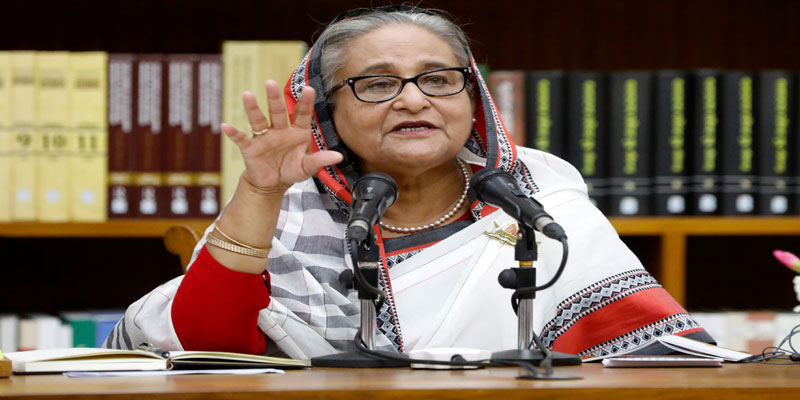
Sheikh Hasina, Bangladesh’s ousted former prime minister, has announced her intention to return from exile in India on December 16, the country’s Victory Day. The proposed homecoming has intensified political tensions with Prime Minister Tarique Rahman’s government, which insists that Hasina must return through the legal extradition process and face the consequences of her conviction.
The date is politically significant: it commemorates Bangladesh’s victory in the 1971 Liberation War and offers Hasina an opportunity to reconnect her political narrative with the country’s founding history. But her return could become a flashpoint in a nation already struggling with political confrontation, public-health pressures and labour unrest.
From Political Upheaval to Extradition Standoff
Hasina fled Bangladesh on August 5, 2024, after a student-led uprising ended her 15-year rule. The subsequent political transition brought the Bangladesh Nationalist Party (BNP) to power under Tarique Rahman, while the Awami League was banned and excluded from the February 2026 election.
Hasina has since been convicted in absentia and sentenced to death, a verdict she rejects. Dhaka has sought her extradition from India, but New Delhi has not publicly announced a final decision. India’s parliamentary record says the request is being examined under applicable law and established procedures.
Bangladesh’s Volatile Political Scenario
The proposed return has become a contest over legitimacy, law and political symbolism. Hasina’s supporters describe her homecoming as a right, while the government says she cannot bypass extradition and would be arrested if she entered Bangladesh.
The Awami League’s mobilisation, allegations of violence and reports of bombings, arson and blockades have heightened security concerns. December 16 could therefore become more than a personal return date: it may test the government’s ability to maintain order while preventing a political confrontation from escalating.
Diplomacy Behind the Return Bid
Hasina’s announcement places India in a delicate position. New Delhi must balance its legal obligations, humanitarian considerations and longstanding strategic interests with Dhaka’s demand for extradition. Bangladesh’s recent political transition has complicated bilateral ties, particularly over security cooperation, border management and regional influence.
By choosing Victory Day and requesting a Biman Bangladesh Airlines flight from Delhi, Hasina is applying public and symbolic pressure. Dhaka, meanwhile, is resisting any arrangement that could appear to legitimise her political comeback. Reports of accusations against India for allegedly encouraging unrest further underline the diplomatic sensitivity, though such claims remain politically contested.
Tarique Rahman Under Multiple Pressures
The return controversy is unfolding alongside serious governance challenges:
· Measles outbreak: Bangladesh is confronting a severe epidemic, with reports of more than 1,300 suspected and confirmed deaths. The crisis has exposed gaps in vaccination coverage and healthcare capacity.
· Garment-worker unrest: Workers are demanding wages that reflect inflation and living costs. The recently approved 36% minimum-wage increase has not fully satisfied workers, and protests continue to threaten production in a sector central to export earnings.
These pressures leave Rahman’s government managing public health, labour demands, political opposition and diplomatic uncertainty simultaneously.
A Return That Could Reshape Bangladesh
The immediate question is whether India will act on Dhaka’s extradition request before December 16. Hasina’s travel documents and legal status add further uncertainty, while her arrival could trigger arrest, demonstrations or renewed violence.Tarique Rahman faces a narrow path: enforce the law without creating a martyr, maintain public order without appearing authoritarian, and address citizens’ urgent economic and health concerns.
Bangladesh’s stability will depend not on political spectacle, but on whether its institutions can resolve a deeply divisive crisis through law, diplomacy and restraint.
(With agency inputs)