A War at a Crossroads
The long and bitter Israel–Hamas conflict has once again reached a decisive moment. As Gaza reels under months of relentless violence and destruction, global attention has turned to Egypt — the stage for renewed indirect negotiations between the two bitter rivals. This latest diplomatic effort, backed by the United States, seeks to forge a ceasefire and a potential hostage-prisoner exchange, reigniting cautious optimism that a deal might finally halt the bloodshed. The talks come after a series of failed truces, rising civilian casualties, and mounting international pressure to end a war that has devastated both sides.
The Cairo Talks: Tentative Steps Toward Calm
Delegations from Israel and Hamas arrived in Cairo under heavy security, each with deeply entrenched demands. The discussions, steered by U.S. President Donald Trump’s 20-point Gaza Peace Initiative, center on a threefold objective — a ceasefire, a partial Israeli withdrawal, and a hostage-for-prisoners exchange.
Hamas has reportedly agreed in principle to release 48 hostages and begin the process of disarmament if Israel halts its military operations. Representing Israel, Ron Dermer leads a delegation that is engaging indirectly with Hamas officials, under the mediation of U.S. envoy Steve Witkoff.
U.S. Secretary of State Marco Rubio described the moment as “the closest both sides have come to a complete hostage release,” urging an immediate suspension of airstrikes to sustain the fragile diplomatic momentum.
Trump’s Warning: ‘Time Is of the Essence’
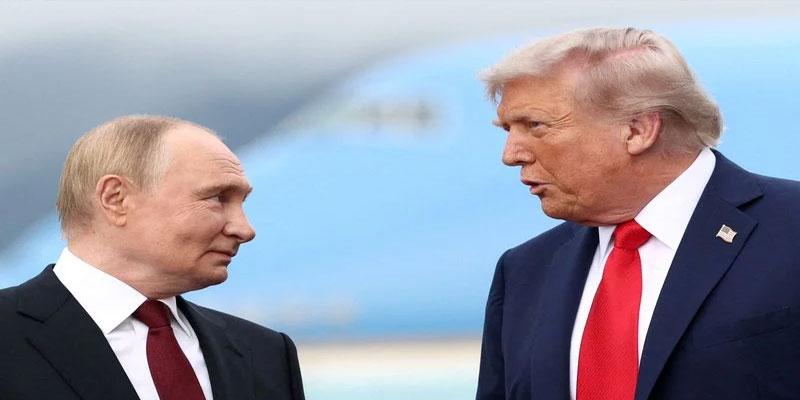
President Donald Trump, who has championed the peace framework, issued a stark message through his social media platform, emphasizing the urgency of swift action. He confirmed that Israel has agreed to an initial withdrawal line, shared with Hamas, paving the way for a phased truce once the group signs off. “The ceasefire will commence immediately once Hamas confirms,” Trump wrote, “followed by the exchange of hostages and prisoners and the next phase of withdrawal.”
However, his optimism was tempered by a grave warning: if Hamas clings to power, he cautioned, “massive bloodshed will follow.” Calling the talks “very positive and moving rapidly,” Trump urged both sides to “move fast” before the opportunity for peace slips away.
Rising Hopes, Lingering Doubts
Outside Prime Minister Benjamin Netanyahu’s residence in Jerusalem, families of hostages pleaded for continued U.S. pressure, fearful that any delay could doom their loved ones. Meanwhile, international support for the peace plan has expanded, with eight Muslim-majority nations endorsing it and backing the return of the Palestinian Authority to govern Gaza.
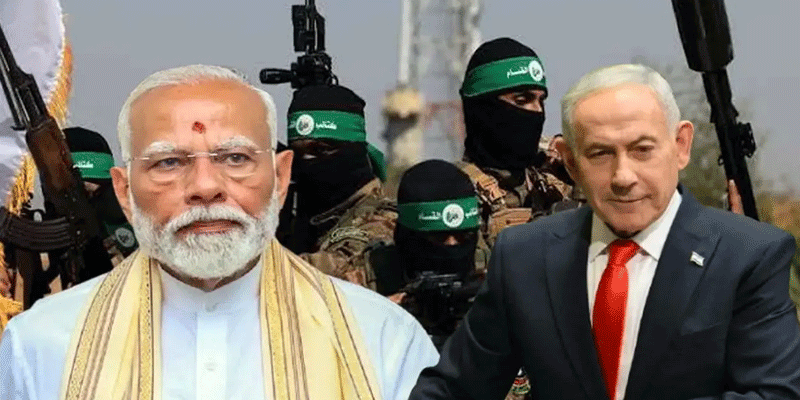
Still, the Israeli military has cautioned that operations will persist if diplomacy falters. Netanyahu himself struck a careful balance — expressing hope for the release of all hostages “in the coming days,” yet vowing to “disarm Hamas, by the easy way or the hard way.” He also clarified that Israel would not agree to a complete withdrawal from Gaza, a long-standing Hamas demand.
A Fragile Opening for Peace
The Cairo talks mark a rare flicker of hope in a conflict defined by distrust and devastation. While the framework promises a temporary reprieve, its success depends on mutual restraint and political will — commodities often in short supply in this decades-long struggle. If realized, the ceasefire and hostage deal could lay the groundwork for broader reconciliation and reconstruction. But as both sides dig into entrenched positions, the path to lasting peace remains precarious — balanced delicately between diplomacy and destruction.
(With agency inputs)