A Somber Anniversary in a Divided West
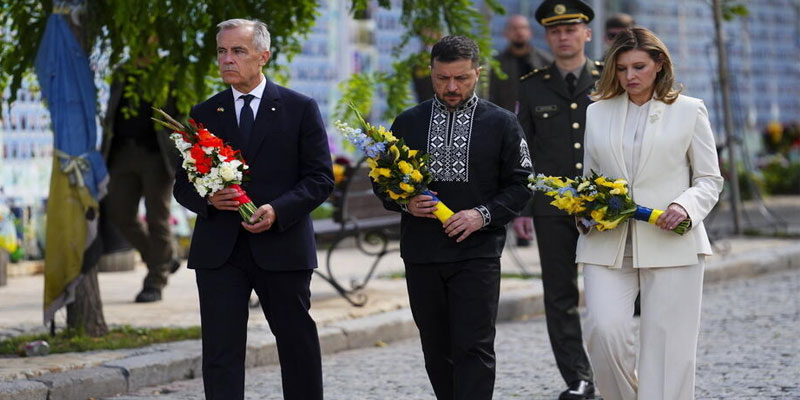
On February 24, 2026—four years since Russia’s full-scale invasion—Volodymyr Zelenskyy stood in Kyiv and acknowledged a hard truth: Ukrainians are exhausted. Yet his message was resolute—there would be no betrayal of sacrifice for a hollow peace. The ceremony was markedly subdued compared to previous anniversaries. While Ursula von der Leyen attended in solidarity, major Western leaders such as the U.S. and French presidents were absent, underscoring subtle but visible fatigue among allies.
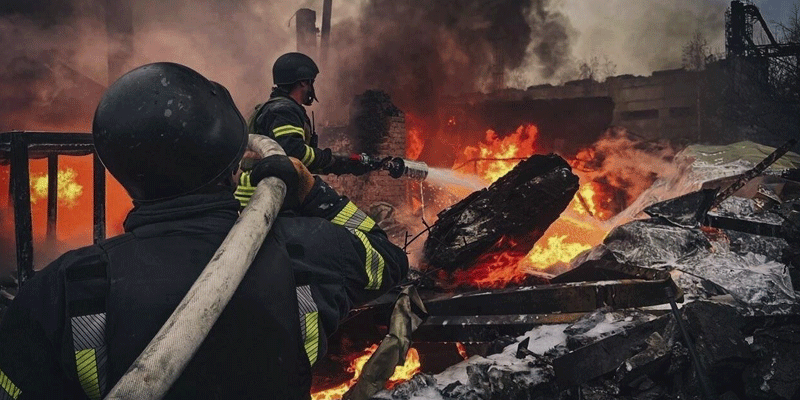
The war has entered its fifth year with nearly 1.8 million combined casualties, a grinding stalemate along extended frontlines, and mounting global uncertainty. Zelenskyy framed endurance itself as victory, insisting that Russia had failed to achieve its strategic objectives despite immense destruction.
Zelenskyy’s Appeal: No Concessions, No Capitulation
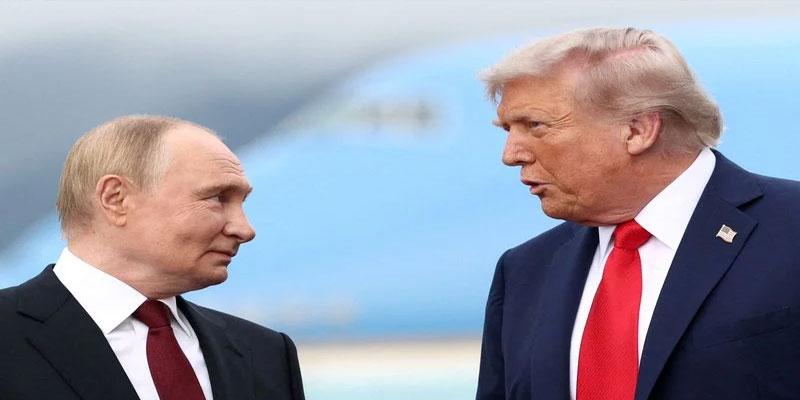
In his address, Zelenskyy directly appealed to U.S. President Donald Trump to “stay on our side,” emphasizing that American leverage remains crucial in countering Vladimir Putin. He warned that concessions under pressure would mean losing Ukraine entirely, not merely ceding territory.
Kyiv continues to push for accelerated European Union membership by 2027 and sustained military and financial aid. Zelenskyy’s tone balanced realism about war fatigue with defiance against what he described as naive calls for territorial compromise—particularly regarding Donbas and Crimea.
Istanbul Peace Talks: Russia’s Maximalist Demands
Meanwhile, negotiations in Istanbul remain stalled. Russia insists that any ceasefire must follow—not precede—a comprehensive political settlement.
Moscow’s current demands include:
· Territorial Recognition: Full Ukrainian withdrawal from Donetsk, Luhansk, Kherson, and Zaporizhzhia regions, including areas still under Kyiv’s control, with international recognition of Russian sovereignty over them and affirmation of Crimea’s annexation.
· Permanent Neutrality: Ukraine must renounce NATO aspirations and accept demilitarization limits.
· Security Framework: Opposition to European peacekeepers, whom Moscow views as NATO proxies.
· Sanctions Relief and Legal Guarantees: Lifting of Western sanctions, no reparations, and protections for Russian-language rights.
Led by Kremlin envoy Vladimir Medinsky, Russia characterizes these conditions as prerequisites for a “final settlement.” Kyiv dismisses them as a sham designed to formalize territorial losses under duress. Talks have produced prisoner swaps but no substantive breakthrough.
European Leaders React: Solidarity, But Softer Optics
European reactions to Zelenskyy’s anniversary speech reflected steadfast rhetorical support but also a more restrained political presence. Von der Leyen, marking her tenth visit to Kyiv since 2022, reaffirmed EU unity and described Ukraine’s resilience as heroic. She was joined by António Costa, who emphasized Europe’s stake in preventing Russian expansionism.
Leaders from nine EU nations attended, including Croatian Prime Minister Andrej Plenković, symbolizing regional solidarity. However, the absence of several heavyweight Western leaders suggested shifting domestic pressures and budgetary strains across Europe.
The tone was one of recommitment, yet without the sweeping declarations seen in earlier years of the conflict.
A War of Endurance and Political Will
As the war grinds into its fifth year, Ukraine confronts not only battlefield attrition but diplomatic complexity. Russia’s maximalist conditions signal confidence in incremental gains, while Ukraine’s refusal to concede territory reflects a calculation that premature compromise would legitimize aggression.
Europe’s solidarity endures, though tempered by fatigue and competing crises. The coming months will test whether Western unity can hold firm enough to shape Moscow’s calculations—or whether the conflict settles into a protracted frozen state.
For Zelenskyy, the message remains clear: sovereignty first, peace second. Whether that resolve can withstand another year of stalemate will define the next chapter of Europe’s most consequential war in decades.
(With agency inputs)