A Warning Before the Talks
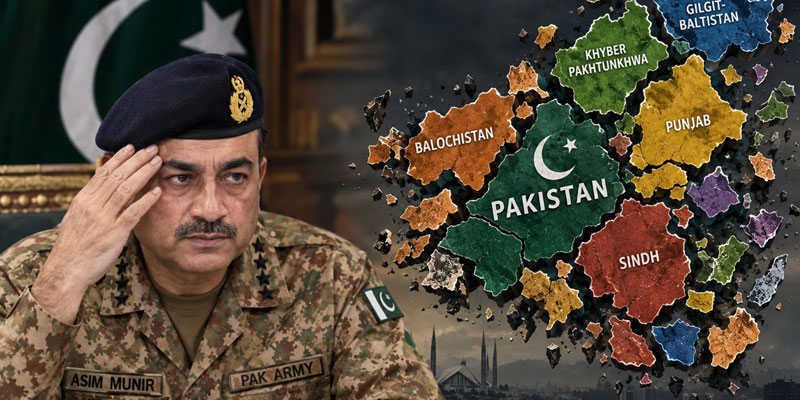
Just hours before peace talks were set to resume in Istanbul on November 6, 2025, Pakistan’s Defence Minister Khawaja Asif delivered an ominous warning: if diplomacy failed, “war will happen.” His statement, directed at the Taliban regime in Afghanistan, jolted regional observers and threatened to derail the already fragile ceasefire between the two neighbors.
The remarks came at a time when Pakistan and Afghanistan were tentatively navigating a ceasefire brokered in Doha a month earlier—a pause meant to end weeks of deadly border skirmishes and drone strikes along the 2,611-kilometer Durand Line. Asif’s stark words not only reignited fears of renewed conflict but also underscored the deep mistrust and strategic volatility that have long defined relations between Islamabad and Kabul.
A Border in Perpetual Turmoil
The roots of the crisis lie in a volatile frontier where militant groups exploit porous boundaries and weak coordination. Pakistan accuses the Taliban-led government in Kabul of harboring the Tehreek-e-Taliban Pakistan (TTP)—a banned militant outfit responsible for deadly attacks on Pakistani soil. Islamabad claims that these groups operate freely from Afghan sanctuaries, targeting military posts and civilians alike.
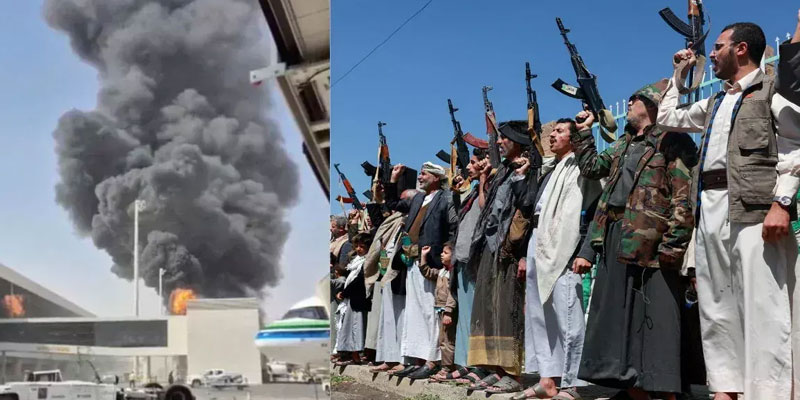
In response, Pakistan has conducted drone strikes and cross-border shelling, actions that have provoked fierce condemnation from Kabul. The Taliban government insists that such operations violate Afghan sovereignty and have caused civilian casualties, inflaming anti-Pakistan sentiment among ordinary Afghans.
The October ceasefire, mediated by Qatar and Turkey, was intended to halt these hostilities and reopen vital trade corridors that support both economies. Yet, the truce has been repeatedly tested, with skirmishes and blame games continuing to undermine trust.
Khawaja Asif’s Ultimatum: The Breaking Point
In a televised interview on the eve of the Istanbul summit, Khawaja Asif laid down Pakistan’s uncompromising position. “Our single-point agenda,” he declared, “is to stop the attacks coming from Afghan soil.” He warned that while Islamabad preferred negotiation, continued inaction by Kabul would force Pakistan to defend itself militarily.
His words reflected mounting frustration in Islamabad, where policymakers believe the Taliban leadership has failed to restrain extremist factions. Asif’s statement also signaled a shift from cautious diplomacy to hardline deterrence, revealing that patience within Pakistan’s security establishment is wearing thin.
The timing of the warning—just as diplomats gathered in Istanbul—cast a shadow over the proceedings and hinted at Pakistan’s readiness to escalate if talks failed to yield results.
Afghanistan’s Response: Defiance and Denial
Kabul swiftly rejected Asif’s allegations. Taliban officials accused Pakistan of “aggression under the guise of counterterrorism” and urged restraint. They contended that Islamabad’s drone strikes have killed civilians, deepening humanitarian suffering in border provinces.
Afghan representatives also called for the creation of joint border monitoring teams and the resolution of disputes through dialogue rather than force. However, their demands for sovereignty recognition clash with Pakistan’s insistence on “accountability mechanisms” to ensure militant control—an impasse that continues to stall progress.
Mediators Turkey and Qatar have struggled to bridge this widening gap, emphasizing mutual restraint and the need for verification frameworks to prevent future violations.
Regional Stakes: Fragile Peace, Global Concern
The Pakistan-Afghanistan dispute extends beyond bilateral animosity—it reverberates through South Asia’s fragile security landscape. Analysts warn that a full-scale conflict could destabilize the region, disrupt trade routes, and empower extremist networks. Both nations, already grappling with economic hardship and internal insurgencies, can ill afford another prolonged confrontation.
The international community, particularly China, the United States, and the UN, has urged both sides to recommit to dialogue and uphold humanitarian priorities. A military escalation could derail broader peace efforts, including counterterrorism cooperation and regional connectivity projects.
A Diplomatic Crossroads
Khawaja Asif’s war warning has injected fresh urgency—and peril—into the Afghan-Pakistan peace process. As Istanbul hosts another attempt at reconciliation, both sides stand at a diplomatic crossroads: either transform the fragile ceasefire into a foundation for enduring peace or slide back into confrontation with devastating consequences.
For Pakistan, the challenge lies in balancing security imperatives with regional stability; for Afghanistan, it is about proving governance maturity and control over militant factions. The fate of peace in South Asia now hinges on whether both nations can move beyond blame and embrace the difficult path of mutual restraint and strategic compromise.
(With agency inputs)