Pope Leo on Thursday firmly condemned the killing of protesters in Iran, stepping into a charged global debate after Donald Trump criticized the Catholic leader for not speaking out earlier. The remarks mark a decisive shift in tone, as the pontiff addressed both Tehran’s internal crackdown and the broader geopolitical tensions surrounding the ongoing conflict involving the United States and Israel.
A Clear Condemnation After Weeks of Pressure
Speaking during his return from an Africa tour, Pope Leo XIV stated unequivocally that he “condemns all actions that are unjust” and denounced the taking of human lives. His comments directly addressed reports that thousands of anti-government protesters have been killed in Iran amid one of the most severe waves of unrest since the Iranian Revolution.
The protests, which began in early 2026, have been fueled by economic distress, wartime pressures, and longstanding dissatisfaction with the ruling establishment. Human rights organizations have documented widespread arrests, trials, and executions, intensifying international concern over Iran’s internal policies.
From Silence to Statement: What Changed?
Until recently, the Vatican had avoided explicitly naming Iran in its public messaging, drawing criticism from activists who felt the Church was not forceful enough in condemning repression. That perception shifted following Trump’s public attacks, which accused the pope of ignoring the plight of Iranian protesters.
While Pope Leo refrained from mentioning Trump directly, his latest remarks appear calibrated to address both the humanitarian crisis and the criticism. By condemning unjust killings in clear terms, he signaled a willingness to engage more directly with politically sensitive issues, without abandoning the Vatican’s traditionally cautious diplomatic approach.
Trump, social media, and Political Pressure
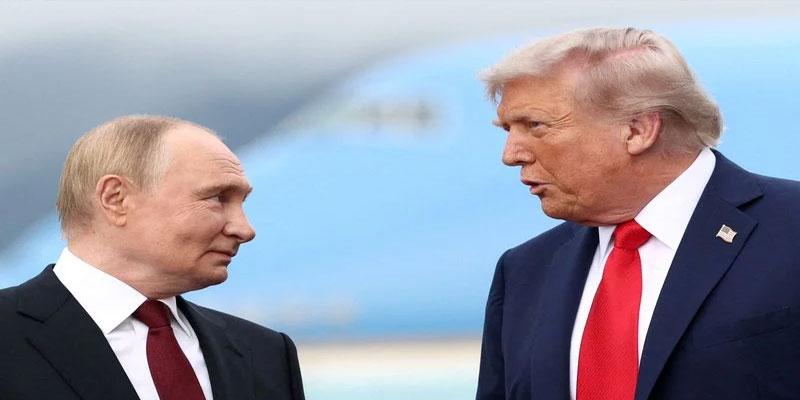
The exchange underscores the growing role of public rhetoric in shaping global discourse. Trump’s criticism—delivered via social media—framed the pope’s earlier silence as moral inconsistency, particularly given the pontiff’s vocal opposition to the US-Israel military actions involving Iran.
In response, Pope Leo broadened his message rather than narrowing it. Alongside condemning violence in Iran, he reiterated his opposition to war itself, lamenting the collapse of US-Iran peace efforts. His position reflects a consistent theological stance: that conflict, regardless of its origin, ultimately undermines human dignity and global stability.
Diplomacy Over Isolation: The Vatican’s Approach
A key element of the pope’s remarks was his defense of continued engagement with authoritarian regimes. Referencing his recent visits to African nations, he emphasized that maintaining diplomatic ties—even with repressive governments—allows the Church to advocate for human rights through dialogue rather than confrontation.
This approach highlights the Vatican’s unique position in global affairs. Unlike nation-states, it does not operate within traditional power blocs. Instead, it seeks to balance moral clarity with diplomatic access, aiming to influence outcomes incrementally rather than through direct political pressure.
Moral Authority in a Polarized World
Pope Leo’s condemnation of the killings in Iran represents more than a response to criticism—it is a reaffirmation of the Church’s role as a moral voice in an increasingly polarized world. By addressing both state violence and the broader context of war, he has attempted to rise above partisan divides while still confronting injustice.
The episode also illustrates the difficult balance global leaders must strike between principle and pragmatism. As political tensions escalate and narratives clash, the effectiveness of moral leadership will depend not only on what is said, but how consistently and courageously it is applied across all conflicts.
(With agency inputs)