An India-bound cargo vessel has become the latest flashpoint in the Gulf, underscoring how geopolitical rivalries are increasingly colliding with global commerce.
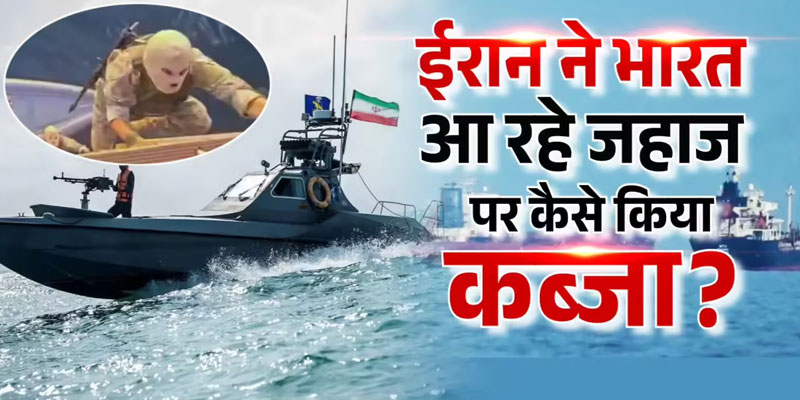
The seizure of an India-bound cargo ship by Iran’s Islamic Revolutionary Guard Corps (IRGC) has intensified concerns over the safety of maritime trade in one of the world’s most sensitive regions. The vessel, headed toward Gujarat’s Mundra port, was among three container ships caught in a sudden escalation, with two ultimately captured and taken into Iranian waters. This development highlights a troubling shift—commercial shipping is no longer collateral damage but an active tool in geopolitical signaling.
What Exactly Happened?
According to marine tracking data and regional reports, Iranian forces fired upon and intercepted multiple ships transiting the Strait of Hormuz. Among them were the Epaminondas and the MSC Francesca. The Epaminondas, though flying a Liberian flag, was on a direct route from Jebel Ali to India’s west coast, making it diplomatically significant for New Delhi.
Iranian authorities justified the action by alleging violations of maritime regulations and threats to navigational safety. However, the timing of the incident—amid heightened tensions involving the United States and Israel—suggests a broader retaliatory or deterrence strategy rather than a purely regulatory enforcement action.
The Strait: More Than an Energy Corridor
The Strait of Hormuz has long been recognized as the world’s most critical oil transit chokepoint, handling a significant portion of global energy shipments. Yet its importance extends beyond oil. Container traffic through this narrow passage sustains trade flows between the Gulf, South Asia, and beyond.
For India, ports like Mundra and Kandla depend heavily on these routes for imports ranging from petrochemicals to industrial machinery. The targeting of container vessels signals that Iran is willing to leverage not just energy flows but also broader commercial shipping to exert pressure.
Strategic Implications for India
The interception of an India-bound ship places New Delhi in a delicate position. While the vessels involved may be foreign-flagged or operated by multinational shipping companies, their cargo and destinations tie them directly to India’s economic interests.
In the short term, such incidents could lead to increased insurance premiums, rerouting of ships, and delays in critical supply chains. Over time, repeated disruptions may force Indian businesses to reconsider logistics strategies, potentially increasing costs across sectors.
Diplomatically, the situation is even more complex. India maintains historically significant ties with Iran, particularly in energy and regional connectivity projects, while also deepening strategic partnerships with the United States and its allies. Incidents like this risk complicating that balance, especially if commercial interests are repeatedly threatened.
A Broader Pattern of Coercion
The seizure of commercial vessels fits into a wider pattern of maritime assertiveness by Iran, where shipping lanes are used as leverage in response to external pressures. By targeting neutral or indirectly linked vessels, Tehran amplifies uncertainty without triggering direct military confrontation.
This approach increases the stakes for all stakeholders in the region. Even countries not directly involved in the conflict can find their economic lifelines exposed to geopolitical maneuvering.
Navigating an Uncertain Maritime Future
The capture of an India-bound cargo ship is more than an isolated maritime incident—it is a signal of how global trade routes are becoming arenas of strategic contestation. For India, the episode underscores the vulnerability of its supply chains to distant conflicts and the need for diversified routes and resilient logistics planning. As tensions persist in the Gulf, safeguarding commercial shipping will require not just naval vigilance but also careful diplomacy, ensuring that economic stability is not held hostage to geopolitical brinkmanship.
(With agency inputs)