What Is the Board of Peace Meant to Achieve?
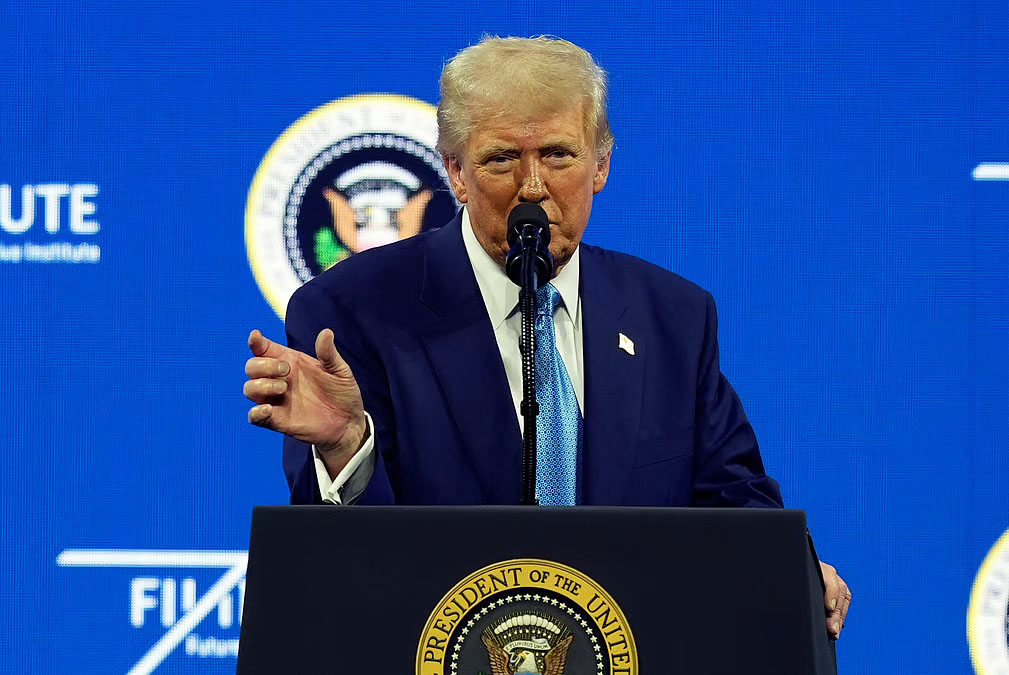
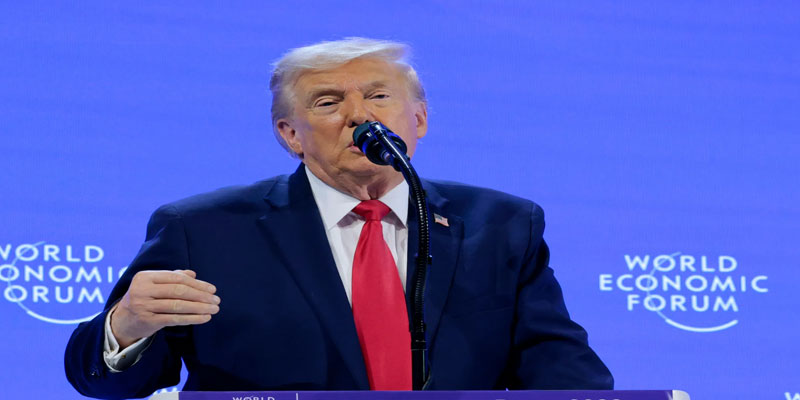
The strategic aims of President Donald Trump’s newly announced “Board of Peace” are ambitious and controversial: to create a faster, more decisive mechanism for conflict resolution under U.S. leadership, reduce reliance on slow multilateral institutions, and translate financial and political commitments directly into enforceable peace outcomes. Initially conceived as a supervisory body for the Gaza ceasefire, the board is now being positioned as a global platform that could rival—if not bypass—the UN Security Council in managing international crises.
From Ceasefire Oversight to Global Ambition
What began as a post-war stabilisation mechanism for Gaza has rapidly evolved into a far broader geopolitical experiment. The Board of Peace reflects Trump’s long-standing critique of the United Nations as ineffective and gridlocked, and his preference for leader-driven, transaction-oriented diplomacy. By combining political authority, financial leverage, and executive decision-making in a single body, the initiative seeks to redefine how peace is brokered in an era of fragmented power and competing blocs.
Institutional Design and Operating Logic
According to the draft charter, the Board of Peace would operate through majority voting on conflict-related decisions, with final authority resting with the chairperson—Donald Trump himself. The structure concentrates power at the top: Trump holds near veto-like control and remains chair indefinitely, with succession reserved for future U.S. presidential appointees.
A particularly contentious feature is the proposal to grant permanent board seats to states pledging at least $1 billion, a model intended to secure funding for reconstruction and peacekeeping but criticised as institutionalising “pay-to-play” diplomacy. Advisors such as Jared Kushner, Steve Witkoff, and Tony Blair are expected to manage execution, blending diplomatic outreach with investment mobilisation.
Who Has Signed On—and Who Has Not
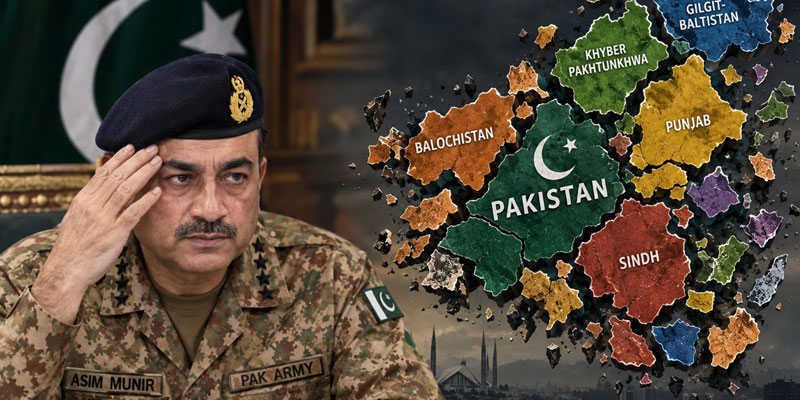
Participation patterns reveal both the board’s appeal and its limitations. Eight Muslim-majority countries—Pakistan, Egypt, Jordan, the UAE, Indonesia, Turkey, Saudi Arabia, and Qatar—have jointly committed to the initiative, giving it immediate relevance in the Middle East and Islamic world. Their involvement also suggests continuity with Abraham Accords–style regional normalisation, while marginalising actors such as Iran.
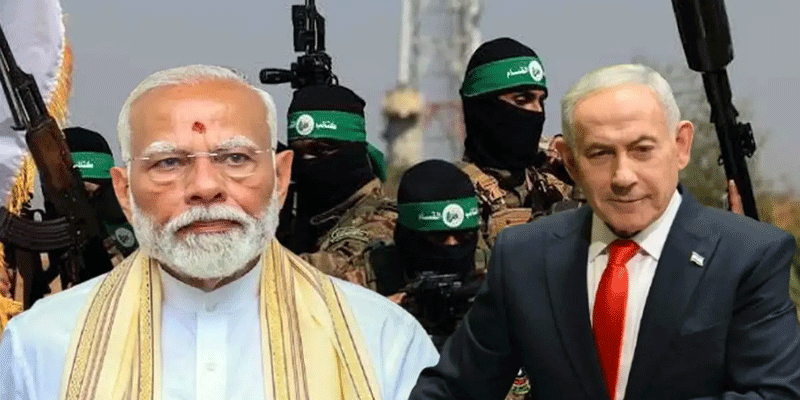
Beyond this core group, a wider but uneven coalition has emerged. Countries across the Middle East and North Africa, parts of Central and Southeast Asia, Eastern Europe, and Latin America—including Israel, Hungary, Argentina, Vietnam, and Azerbaijan—have agreed to participate. Israel’s decision is particularly notable, as Prime Minister Benjamin Netanyahu overcame initial reservations about sharing a forum with Turkey and Qatar, prioritising alignment with Washington amid ongoing Gaza stabilisation.
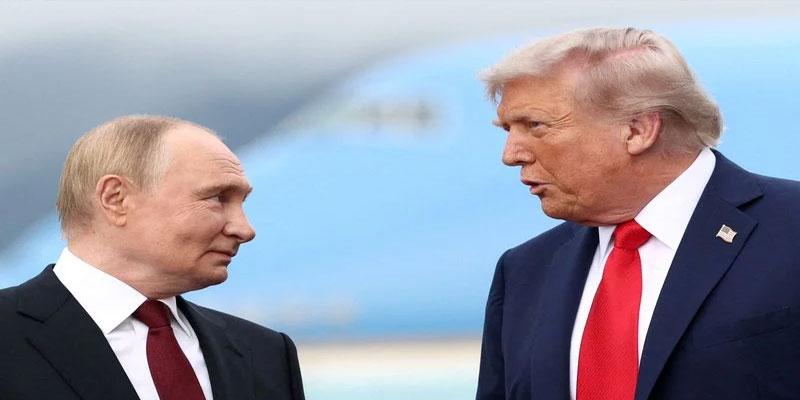
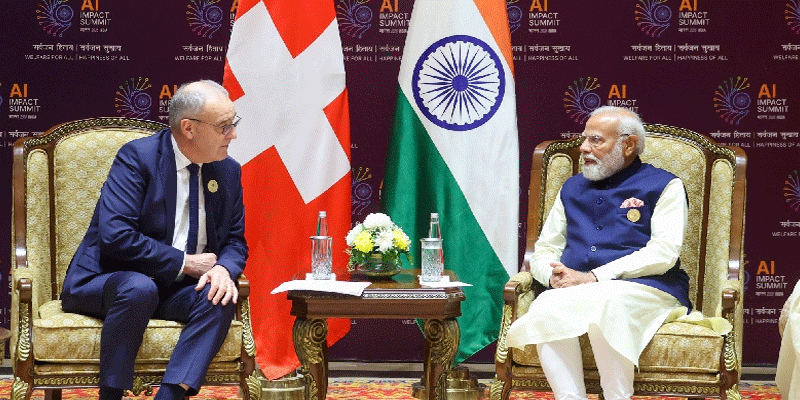
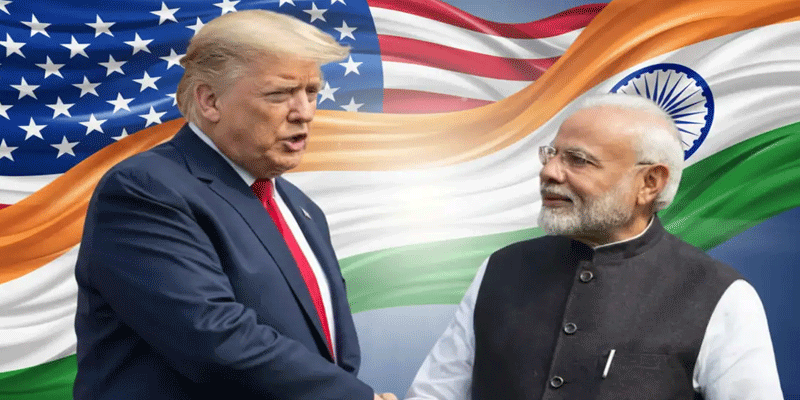
By contrast, several major powers remain sceptical or absent. China has explicitly declined to join, reaffirming its preference for UN-centred multilateralism and signalling concern over U.S.-led alternatives. Russia is reportedly reviewing the proposal, while India, Canada, and the European Union have been invited but have not committed, reflecting caution about legitimacy, precedent, and institutional overlap.
Strategic Implications and Geopolitical Friction
The Board of Peace exposes deeper fractures in the global system. Supporters argue it offers agility, funding, and enforcement capacity that the UN lacks. Critics counter that it centralises authority, commodifies influence, and risks undermining international norms. China’s refusal underscores broader U.S.–China rivalry, while uneven participation highlights the challenge of building universal legitimacy outside established institutions.
Innovation or Overreach?
Trump’s Board of Peace is a bold attempt to reshape global peace making around power, speed, and resources rather than consensus. Its success will depend on whether it can deliver tangible stability—starting with Gaza—without alienating key actors or eroding existing international frameworks. If it produces results, it may redefine how peace is pursued in a multipolar world. If it falters, it could reinforce the very institutional fragmentation it seeks to overcome.
(With agency inputs)