From Suspension to Showdown
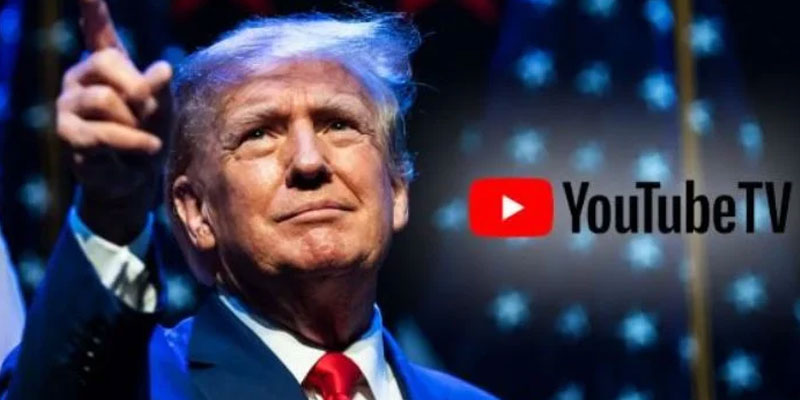
The storm that erupted after Donald Trump’s social media bans in January 2021 reshaped the debate over free speech, political bias, and the power of tech platforms. YouTube, Twitter, and Facebook faced mounting criticism for suspending the president’s accounts in the wake of the Capitol riots. Trump responded with a barrage of lawsuits in mid-2021, accusing the digital giants of muzzling conservative voices. Nearly three years later, those legal clashes are drawing to a close—YouTube has become the last major platform to settle.
The Settlement: Closing a Chapter
Court filings this week revealed that Alphabet-owned YouTube has agreed to pay $24.5 million to resolve Trump’s case. The settlement follows similar deals earlier this year, with Meta paying around $25 million and X (formerly Twitter) reaching a $10 million agreement. Collectively, these settlements mark the conclusion of Trump’s high-profile lawsuits targeting Silicon Valley’s biggest players.
Unlike Meta and X, YouTube never permanently revoked Trump’s account. Instead, it suspended his ability to upload new content in early 2021. That restriction was lifted in 2023, reopening his channel but leaving the legal dispute unresolved until now. Importantly, YouTube did not admit fault, nor will it alter any of its policies as part of the deal.
Where the Money Goes
Of the $24.5 million settlement, the bulk—$22 million—will be directed on Trump’s behalf to the Trust for the National Mall, a nonprofit tied to the construction of a vast 90,000-square-foot ballroom at the White House. The $200 million project is expected to be completed before the end of Trump’s current four-year term in January 2029.
The remainder will be distributed among other plaintiffs, including the American Conservative Union, organizer of the Conservative Political Action Conference, and author Naomi Wolf. This allocation mirrors the structure of earlier settlements, where funds were earmarked for projects associated with Trump’s legacy, such as the Miami-based presidential library supported by Meta’s payout.
Broader Implications: Free Speech vs. Platform Control
Trump’s lawsuits highlighted a fundamental question at the heart of modern politics: how much power should private tech firms wield in shaping public discourse? His allies argue that his suspensions reflected systemic bias against conservatives, while critics insist platforms were justified in curbing rhetoric they deemed dangerous. The settlements, while financially significant, sidestep those deeper issues, leaving the balance between free expression and corporate responsibility unsettled.
A Dispute Resolved, A Debate Unfinished
With YouTube’s agreement, Trump has now closed his chapter of litigation against the tech giants that once silenced his digital megaphone. Yet the controversies surrounding platform accountability and political speech endure, unresolved by courtroom deals. The settlements may bring legal closure, but the broader argument—about who controls the modern public square—will continue to reverberate in America’s political and digital arenas.
(With agency inputs)