A Local Election with National Consequences
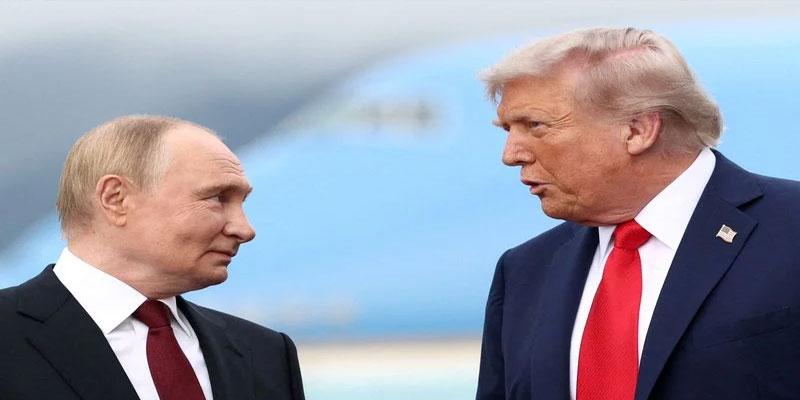
The 2025 New York City mayoral election has become one of the most closely watched political contests in the United States—transforming from a local leadership race into a national showdown. The reason: U.S. President Donald Trump’s extraordinary intervention. In a move that has stunned political observers, Trump threatened to restrict federal funding to New York City if Democratic nominee Zohran Mamdani, a democratic socialist, wins the election. This unprecedented threat has thrust New York’s municipal politics into the national spotlight, symbolizing the widening ideological divide shaping America’s political landscape.
A Surprising Contender: Zohran Mamdani’s Progressive Surge
At 33, Zohran Mamdani, a New York State Assembly member from Queens, represents the new face of urban progressive politics. His primary victory over former Governor Andrew Cuomo was a political upset that reflected shifting voter dynamics. Mamdani’s campaign—built on ambitious promises of fare-free public transit, rent freezes, a $30 minimum wage by 2030, and reimagined public safety—has energized young voters, working-class communities, and progressives seeking a structural reorientation of city priorities.
Yet, his rise has also stirred unease among moderates and fierce backlash from conservatives. President Trump has been particularly vocal, branding Mamdani a “communist” and warning that his election would bring “economic ruin” to New York. The rhetoric underscores how deeply the mayoral race has become entangled in national partisan narratives—pitting Trump’s populist conservatism against a new wave of urban socialism.
Trump’s Federal Funding Threat: Politics or Policy?
Trump’s warning—that federal aid to New York City would be “highly unlikely” under a Mamdani administration—has raised both alarm and skepticism. In the current fiscal year, the city has received roughly $7.4 billion in federal support, covering areas like public safety, housing, infrastructure, and transportation. While a sitting president lacks unilateral authority to withdraw such funding, Trump’s statement carries significant political weight.
The threat follows a familiar pattern of federal confrontation with Democratic-led cities, seen earlier in disputes over immigration policy, congestion pricing, and policing reforms. Legal precedents suggest that attempts to withhold funds for political reasons would face immediate judicial challenges. Still, the symbolism of Trump’s message—drawing a line between “red” federal power and “blue” urban governance—reinforces his broader narrative of combating “radical” city administrations. In essence, the funding threat is less about fiscal policy and more about framing the ideological stakes of the election.
Political Fallout and Urban Uncertainty
Trump’s intervention has injected volatility into an already polarized race. For city officials, the idea of losing billions in federal aid fuels concern about the continuity of essential services—from subway upgrades to homelessness programs. For voters, the prospect of Washington punishing their city based on electoral outcomes deepens cynicism about federal fairness and local autonomy.
Politically, Trump’s gambit may have mixed effects. His backing of Andrew Cuomo—now running as an independent—could split moderate voters, inadvertently strengthening Mamdani’s base. However, his attacks also risk consolidating centrist opposition to Mamdani, positioning the election as a referendum on socialism in American urban governance. The race has effectively become a proxy battle between two competing visions of the country: one anchored in federal control and fiscal conservatism, the other in local empowerment and redistributive justice.
New York’s Election as America’s Political Mirror
The 2025 New York City mayoral election encapsulates the turbulence of American democracy in the Trump era. The President’s threat to restrict funding if Zohran Mamdani wins may lack immediate legal teeth, but it wields immense symbolic power—turning a municipal contest into a test of ideological endurance.
Whatever the outcome, the race will shape not just New York’s governance but also the broader narrative of progressive politics in the United States. If Mamdani prevails, it could mark a milestone for the urban left’s policy ambitions; if Trump’s pressure tactics succeed, it may reaffirm the federal government’s leverage over local autonomy. In either case, New York’s decision will reverberate far beyond city hall—defining how America negotiates its deepening divide between progressivism and populism.
(With agency inputs)