A Strategic Recalibration Before a Landmark Visit
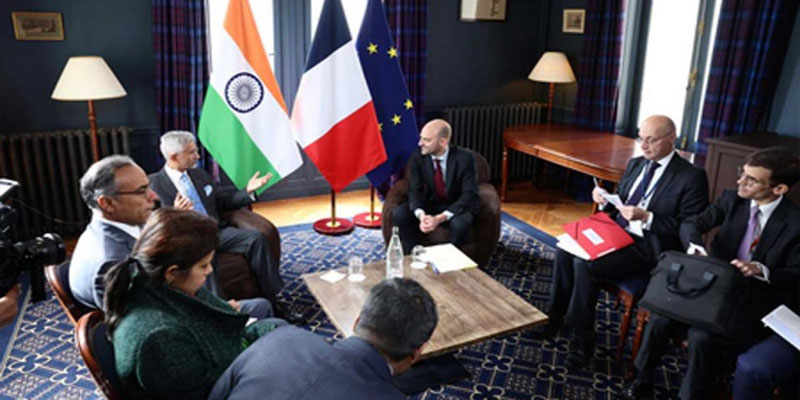
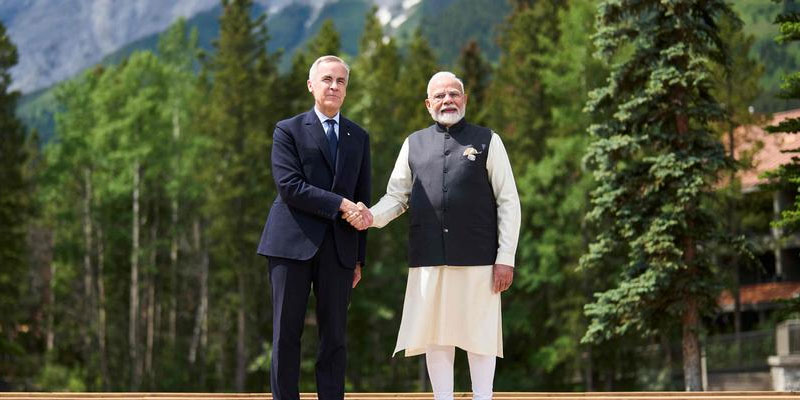
Canada–India ties are poised for a significant reset as Prime Minister Mark Carney embarks on his Indo-Pacific tour beginning February 26, 2026, with India as the first and most consequential stop. The choice of New Delhi as the premier destination signals Ottawa’s intent to repair and elevate relations strained during the tenure of former Prime Minister Justin Trudeau.
Carney’s itinerary includes meetings with business leaders in Mumbai followed by high-level talks in New Delhi with Prime Minister Narendra Modi. The agenda spans trade, energy, artificial intelligence, talent mobility, culture, and defence—collectively framed as the beginning of an “ambitious new phase.” Subsequent visits to Australia and Japan underscore Canada’s broader strategy of diversifying partnerships in an increasingly polarized global order.
Trade Ambitions and Economic Synergies
Economic pragmatism lies at the heart of this reset. Bilateral merchandise trade reached $30.8 billion in 2025, and Ottawa is targeting a substantial expansion to $70 billion by 2030. A comprehensive economic agreement is envisioned to cover critical minerals, clean energy, advanced manufacturing, and digital technologies—sectors where complementarities are strong.
Canada seeks to position itself as a stable investment destination for Indian capital while encouraging Canadian pension funds and corporations to deepen their footprint in India’s rapidly growing market. With supply chains under global stress and Western economies reassessing overdependence on China, India presents Canada with both scale and strategic diversification.
The thaw follows tensions triggered by allegations surrounding the 2023 killing of Hardeep Singh Nijjar, which led to diplomatic expulsions and stalled trade talks. The shift in tone under Carney reflects a conscious pivot toward economic realism over ideological confrontation.
Canada’s Big Move: Tahawwur Rana Citizenship Revocation
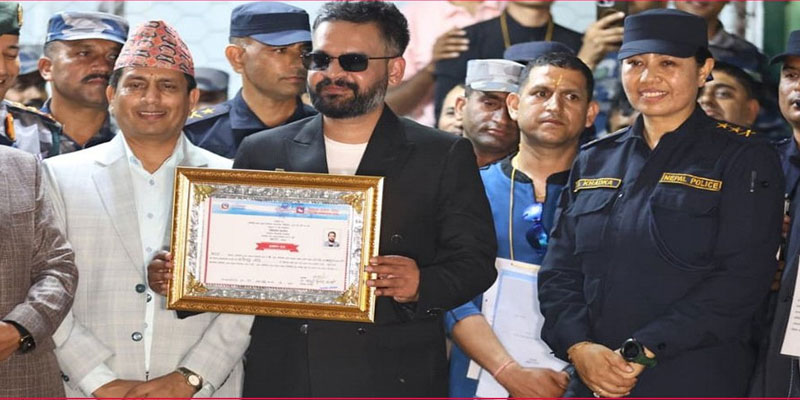
In a significant gesture ahead of the visit, Canada initiated proceedings to revoke the citizenship of Tahawwur Hussain Rana. The Pakistan-born businessman, extradited to India in 2025 and currently facing trial for his alleged role in aiding the 2008 Mumbai terror attacks, is accused by Immigration, Refugees and Citizenship Canada of misrepresenting his residency status during his 2001 citizenship application.
Authorities argue that Rana concealed prolonged absences from Canada—constituting what officials describe as “serious and deliberate deception.” Importantly, the revocation process is grounded in alleged immigration fraud rather than terrorism charges. Nevertheless, the timing is diplomatically significant.
For India, Rana’s extradition had already marked progress in long-standing demands for accountability in the 26/11 attacks that killed 166 people. The additional step of revoking his citizenship strengthens the optics of anti-terror cooperation and signals sensitivity to Indian concerns. It reinforces trust-building ahead of Carney’s talks with Modi.
Geopolitical Calculus: Beyond Bilateral Repair
Carney’s outreach reflects a broader Indo-Pacific strategy. Canada seeks stronger defence partnerships, AI collaboration, and supply-chain resilience frameworks. Engagement with India also complements evolving QUAD dynamics and efforts to balance China’s regional influence.
Yet challenges remain. Visa backlogs affecting Indian students and professionals, political sensitivities around Punjab, and potential legal challenges to Rana’s citizenship revocation could test the durability of goodwill. Moreover, reviving stalled trade negotiations—possibly through an Early Trade Agreement—will require sustained political will on both sides.
From Diplomatic Chill to Strategic Opportunity
The upcoming Carney–Modi summit represents more than a routine diplomatic exchange; it marks a deliberate recalibration of priorities. By foregrounding trade, investment, and technological collaboration—while signaling firmness on counter-terror cooperation—Canada is attempting to reset ties on pragmatic foundations.
For India, deeper engagement with Canada aligns with its diversification strategy and its ambition to attract capital, technology, and strategic partnerships. For Ottawa, India offers economic dynamism and geopolitical relevance.
If both sides translate symbolism into structured agreements—on trade, defence, and talent mobility—the reset could redefine Commonwealth-era ties into a modern strategic partnership. The coming days will reveal whether this thaw evolves into a durable realignment in a rapidly shifting Indo-Pacific landscape.
(With agency inputs)