A Fragile Peace Before the Summit
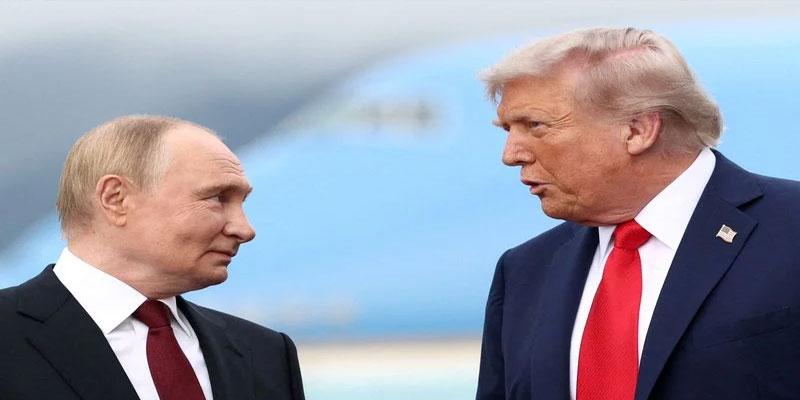
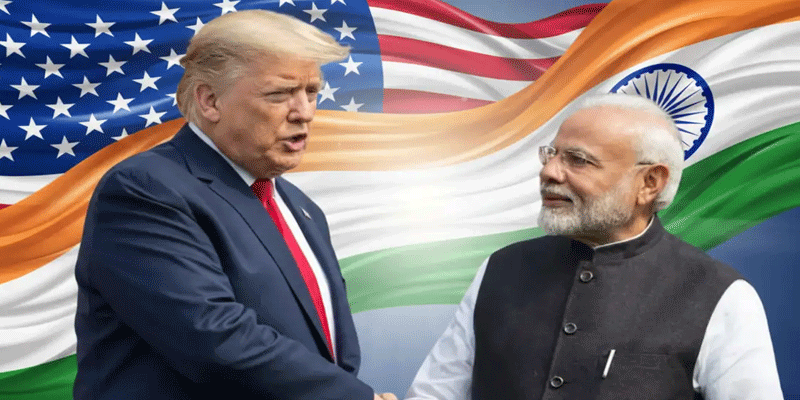
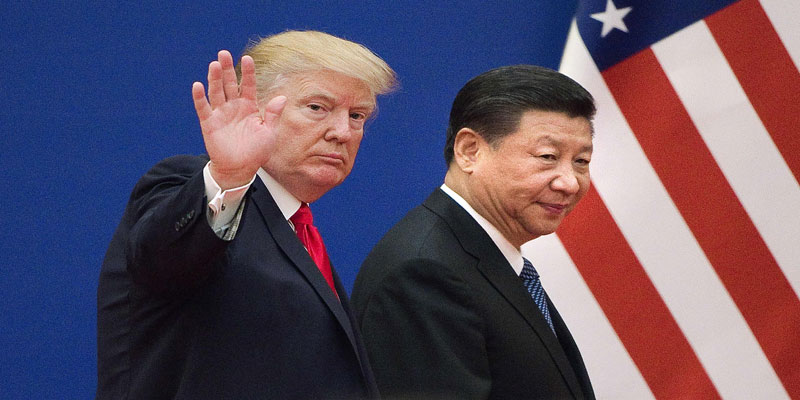
In a major diplomatic turn, the United States and China have announced a “basic consensus” on a new trade deal framework—marking a potential thaw in one of the world’s most consequential economic rivalries. The breakthrough comes just days before President Donald Trump and President Xi Jinping are due to meet in South Korea, a summit now charged with expectation.
Following intense negotiations in Kuala Lumpur, officials from both countries declared progress on key issues ranging from tariffs and rare earth exports to agriculture and drug enforcement. The outcome, while tentative, signals that both powers are seeking to pull back from the brink of a full-blown trade war that had rattled markets and strained global supply chains.
From Trade War to Tentative Truce
For months, tensions between Washington and Beijing have escalated sharply. President Trump’s threat to impose a 100% tariff on all Chinese imports, paired with Beijing’s tightening of rare earth exports, had set the stage for a new wave of economic confrontation. The stakes were high: rare earth elements are indispensable to America’s defense, electronics, and clean-tech sectors, while China’s export curbs could cripple manufacturing lines worldwide.
However, two days of frank and technical talks between U.S. Treasury Secretary Scott Bessent, Trade Representative Jamieson Greer, and China’s Vice Premier He Lifeng and chief negotiator Li Chenggang produced what both sides are calling a “constructive framework for cooperation.”
The central achievements of the Kuala Lumpur discussions include:
· Tariff freeze: The United States confirmed that the proposed 100% duties will not take effect on November 1, extending the current trade ceasefire.
· Rare earth reprieve: Beijing agreed to delay its expanded licensing system for rare earth exports by one year, offering breathing room to American manufacturers.
· Policy commitments: China pledged to tighten controls on fentanyl precursor chemicals, boost purchases of U.S. farm goods, and continue technical discussions on technology, data security, and export regulations.
While President Trump hailed the outcome as validation of his “tough negotiation” approach, Chinese officials emphasized that cooperation was achieved “without compromising national interests.”
Market Relief and Political Calculus
The announcement sparked an immediate rally in financial markets across Asia and the U.S., as investors welcomed the easing of tensions between the world’s two largest economies. For months, fears of supply chain disruptions—especially in critical minerals and semiconductors—had unsettled global trade networks.
Economists note that both sides were motivated by pragmatic pressures. The Trump administration, facing upcoming elections, sought to demonstrate progress on trade without reigniting inflation. China, grappling with slowing domestic growth and weakened exports, needed stability to restore business confidence and attract investment.
Both governments framed the agreement as the product of firm yet pragmatic diplomacy, with Vice Premier He Lifeng calling the talks “open, candid, and grounded in mutual respect.”
Unfinished Business: Structural Frictions Remain
Despite optimism, the core disputes that have defined U.S.–China tensions remain unresolved. The Kuala Lumpur framework avoids the thorniest issues—such as intellectual property rights, state subsidies, tech transfer, and market access for high-end industries.
Analysts warn that the current deal represents a pause, not peace. Both sides have retained the option to reimpose tariffs should talk stall. “This is more of a controlled truce than a comprehensive reset,” noted one Washington-based trade expert. The risk of renewed confrontation remains, especially as domestic politics in both countries increasingly shape their foreign policy tone.
The Road to the Trump–Xi Summit
The next milestone will be the Trump–Xi meeting on the sidelines of the APEC Summit in South Korea, where the framework is expected to receive formal endorsement. Diplomatic sources suggest that discussions will focus on finalizing implementation timelines and setting the stage for reciprocal state visits—possibly Trump in Beijing early next year, followed by Xi’s return visit to Washington.
While the “basic consensus” is unlikely to resolve the deeper strategic rivalry between the two powers, it provides a rare moment of stability in an otherwise volatile relationship. It underscores that even amid competition, communication and compromise remain possible.
A Truce Built on Fragile Foundations
The understanding reached in Kuala Lumpur represents a temporary but vital breakthrough—a mutual recognition that unbridled escalation serves neither side’s long-term interests. Yet, beneath the cautious optimism lies a reminder of how deeply intertwined, and simultaneously mistrustful, the U.S. and Chinese economies have become.
As Presidents Trump and Xi prepare to meet, the world watches not for grand reconciliations but for evidence of sustained engagement. The avoidance of 100% tariffs is an achievement—but whether this fragile peace can evolve into durable economic coexistence will depend on political will, continued dialogue, and a shared commitment to stability over brinkmanship.
(With agency inputs)