A New Chapter Begins with Skyroot’s Vikram-I
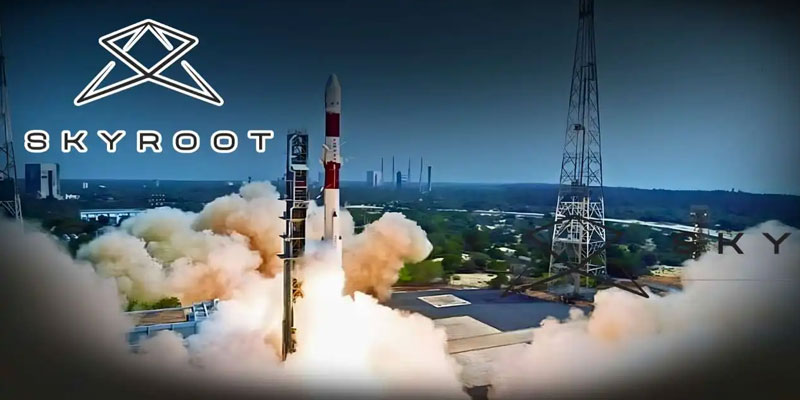
Prime Minister Narendra Modi inaugurated Skyroot Aerospace’s massive Infinity Campus in Hyderabad on November 27, 2025, unveiling Vikram-I, India’s first privately developed orbital launch vehicle. The event, conducted via video conferencing, marked a decisive milestone in India’s shift toward a commercially competitive space ecosystem. Covering 200,000 square feet, the new facility is built to handle end-to-end rocket design, integration, and testing—with the capacity to produce one orbital-class rocket every month. Modi hailed the achievement as a “major moment” for the nation’s private space sector, celebrating the rapid rise of youth-driven innovation in aerospace.
Inside Vikram-I: Capabilities That Redefine India’s Launch Landscape
The Infinity Campus represents a leap in advanced manufacturing for India. Designed for rapid assembly, Vikram-I can be built and readied for launch within 24 hours—from virtually any location. Named after Dr. Vikram Sarabhai, the father of India’s space program, the rocket targets the booming global small-satellite industry and is capable of deploying multiple payloads simultaneously, a crucial capability in today’s multi-orbit commercial missions.
Founded by former ISRO engineers Pawan Kumar Chandana and Naga Bharath Daka, Skyroot has raised over $95 million and plans to invest ₹1,000 crore toward on-demand launches. Vikram-I uses high-performance carbon composite materials, solid-fuel stages, and an optional liquid-fuel upper stage, offering a blend of reliability and flexibility. With a payload capacity of 480–500 kg to sun-synchronous orbit (SSO), it competes directly with leading international small launchers like Rocket Lab’s Electron and India’s SSLV.
Electron pioneered battery-powered propulsion, whereas Vikram-I emphasizes cost-efficient solid propulsion with modular orbital adjustability and potential future reusability—an emerging frontier among compact launch vehicles. Combined with its rapid launch turnaround of 24–72 hours, Vikram-I positions India as a provider of responsive access to low Earth orbit, meeting the commercial demand for frequent, dedicated smallsat missions.
A Catalyst for India’s Private Space Boom
Modi attributed Skyroot’s rise to ISRO’s scientific legacy and recent policy reforms that opened the sector to private enterprise. With India aiming for a $77 billion space economy by 2030, the government expects companies like Skyroot to drive innovation and global competitiveness. Partnerships with firms such as Axiom Space and global demand for small satellites further position Skyroot as a significant player in LEO access. Modi’s ambition of creating “five space unicorns in five years” underscores the strategic importance of this private sector expansion.
Vikram-I and the Future of Indian Space Leadership
The unveiling of Vikram-I marks more than a technological milestone—it signals India’s emergence into a new era where private innovators complement national space capabilities. While challenges remain in scaling supply chains and smoothing regulatory processes, the rocket’s rapid-launch capabilities, competitive payload class, and advanced engineering set India firmly on the global map of agile, commercial space access. As the world turns increasingly toward small satellite constellations and on-demand launches, Vikram-I positions Skyroot—and India—to claim a leading role in shaping the future of orbital deployment.
(With agency inputs)