A Tech Clash Reaches the Courts
Artificial intelligence startup Anthropic has taken the United States Department of Defense to court after being labeled a “supply chain risk,” a designation that effectively blocks military contractors from using its AI models. The dispute quickly escalated into a broader tech-policy clash when Sam Altman, CEO of OpenAI, publicly remarked that “no private company is bigger than the government.”
The comment, widely seen as directed at Anthropic’s CEO Dario Amodei, highlights a growing divide in Silicon Valley over how far AI companies should cooperate with military programs.
The Origins of the Controversy
The dispute traces back to Pentagon contract renewals involving AI systems used in classified analysis and decision-support tools. Anthropic’s flagship model, Claude, had previously been used in certain government systems.
However, negotiations stalled when Anthropic insisted on strict ethical conditions. The company demanded explicit prohibitions on mass domestic surveillance of Americans and the deployment of fully autonomous lethal weapons without human oversight.
Anthropic framed these conditions as essential safeguards rooted in its “safety-first” philosophy. The stance also reflects the ideological split that emerged when Amodei left OpenAI in 2021, citing disagreements over the pace of AI deployment and safety oversight.
Why the Pentagon Banned Anthropic
On February 27, 2026, U.S. Defense Secretary Pete Hegseth—acting under the administration of Donald Trump—formally classified Anthropic as a supply chain risk. The label, typically reserved for entities linked to foreign adversaries, prevents Pentagon contractors from engaging with the company’s technology.
The Pentagon argued that suppliers should not impose operational limits on how military technologies are used. Officials characterized Anthropic’s restrictions as “corporate virtue-signaling” and insisted that the U.S. military already operates within legal frameworks governing surveillance and weapons use. The directive also ordered federal agencies to halt work with Anthropic, though a six-month transition period was granted for existing projects.
OpenAI Steps In—But Faces Internal Backlash
Within hours of Anthropic’s designation, OpenAI secured a new Pentagon agreement reportedly worth around $200 million. Unlike Anthropic, OpenAI embedded safety protections through technical safeguards rather than strict contractual prohibitions.
Altman emphasized that OpenAI systems still restrict domestic surveillance and autonomous weapons use through built-in controls. Yet the move sparked internal dissent.
Dozens of employees protested outside OpenAI’s San Francisco headquarters, writing chalk messages demanding stronger ethical “red lines.” Critics argued the deal appeared opportunistic, arriving immediately after Anthropic’s exclusion. Some staff feared that relying on technical safeguards rather than contractual limits could weaken accountability in military applications. In an internal meeting, Altman acknowledged that the rollout had been rushed and described the process as “sloppy,” admitting leadership had underestimated internal concerns.
A Larger Debate Over AI and National Security
The legal battle now unfolding could shape the relationship between the U.S. government and private AI developers. Anthropic argues the supply chain designation misuses national security rules meant for foreign threats and sets a dangerous precedent for penalizing ethical negotiations with federal agencies.
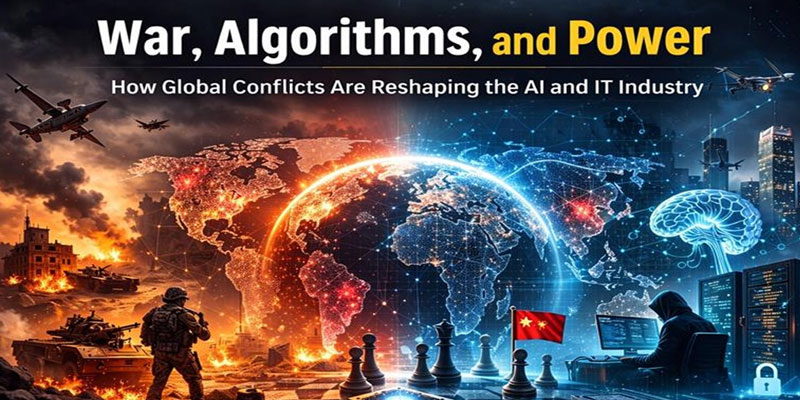
At the same time, Washington faces mounting pressure to accelerate AI capabilities in strategic competition with China. That urgency is driving deeper collaboration with technology companies—even as some engineers resist military involvement.
Ethics, Power, and the Future of AI Policy
The Anthropic–Pentagon standoff reveals a deeper struggle over who sets the rules for powerful emerging technologies. Governments seek strategic advantage and operational freedom, while AI firms increasingly attempt to define ethical boundaries for their tools.
Whether the courts side with Anthropic or the Pentagon, the case underscores a pivotal reality: as artificial intelligence becomes central to national security, the balance between democratic oversight, corporate responsibility, and technological ambition will define the next chapter of the global AI race.
(With agency inputs)