Planned Flag March Blocked in Central Delhi
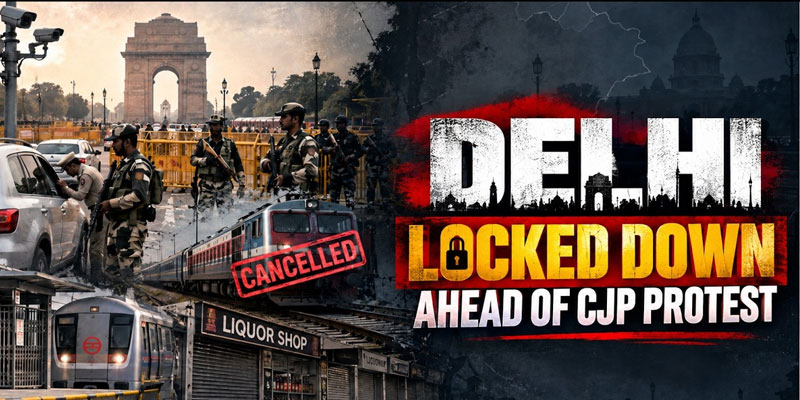
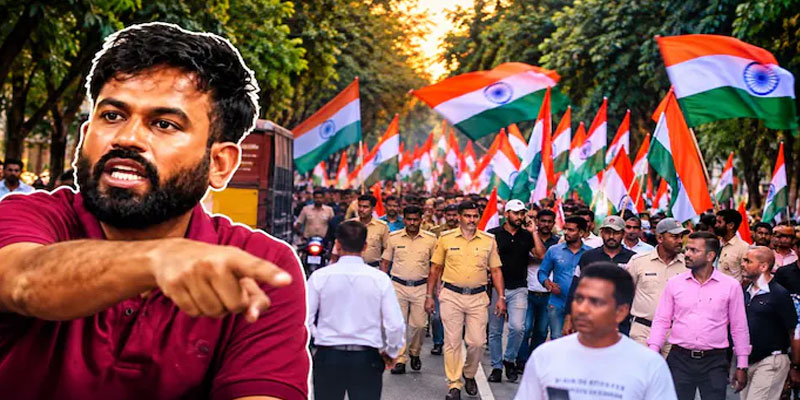
Delhi Police detained Cockroach Janta Party (CJP) founder Abhijeet Dipke and All India Students’ Association (AISA) president Neha Bora on Friday, October 16, preventing their planned “Lehra Do Tiranga” march at Central Park, Connaught Place. The action has intensified the political debate over restrictions on peaceful demonstrations, the use of national symbols in protests and the limits of police powers to maintain public order.
Why Was the March Planned?
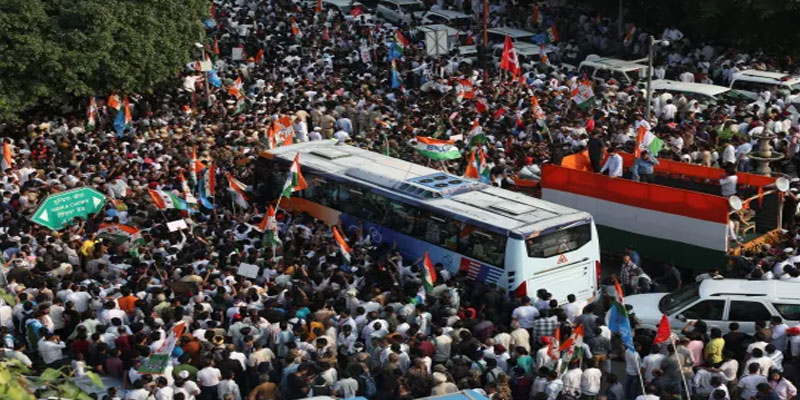
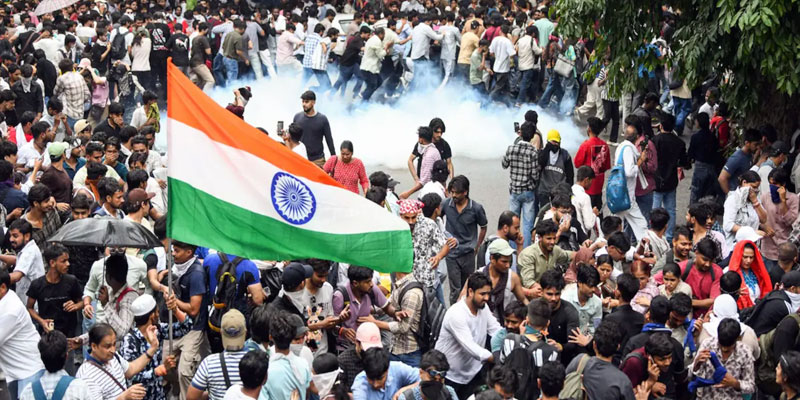
CJP had called on supporters to assemble at Central Park to hoist the national flag, presenting the event as a peaceful assertion of democratic rights. The march followed earlier confrontations between protesters and police over attempts to wave the Tricolour at Jantar Mantar, which has been denotified as a designated protest site.
The situation became more complicated after the New Delhi Municipal Council (NDMC) ordered Central Park closed on October 16 and 17, citing administrative reasons.
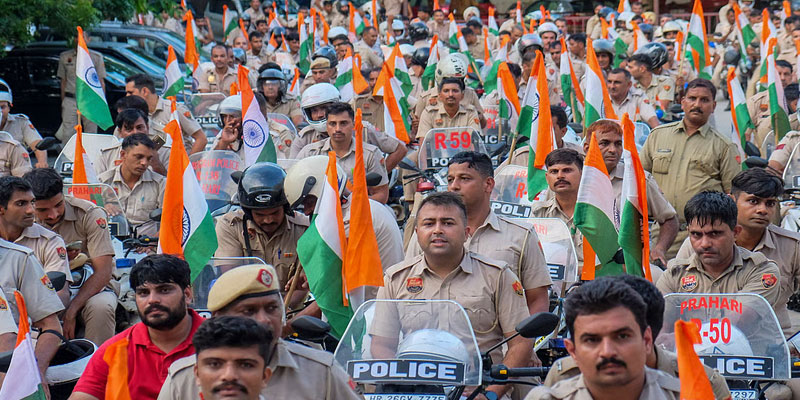
Earlier on Friday, more than 20 police personnel reportedly visited Dipke’s residence and served him a notice prohibiting the proposed gathering. Police cited Section 163 of the Bharatiya Nagarik Suraksha Sanhita (BNSS), which empowers authorities to issue orders to prevent potential threats to public safety and public order.
The notice warned against unauthorised processions and assemblies, citing possible traffic disruption, overcrowding, stampede risks and threats to life and property. Authorities clarified that waving the national flag itself was not prohibited; the restrictions concerned the proposed gathering and the absence of official permission.
Detentions of Dipke and Bora
Dipke was detained approximately an hour after receiving the police notice, reportedly while preparing to join the demonstration. Reports differed over whether he was picked up near his Jhandewalan residence or from the Karol Bagh home of NCP (Sharadchandra Pawar) spokesperson Anish Gawande, where he had reportedly been staying.
Neha Bora, 29, a prominent face of the protests and AISA president, was also detained while travelling towards the demonstration. Reports placed her detention near Jantar Mantar or Mandi House.
Dipke’s detention was his second within a week, reflecting the authorities’ determination to prevent further unauthorised gatherings following earlier arrests of CJP activists.
Protest Rights Versus Public Safety
The detentions highlight competing arguments surrounding democratic dissent. Authorities maintain that restrictions are necessary to prevent disorder in a busy commercial district. Protest organisers and their supporters, however, view the action as disproportionate, particularly because the proposed event centred on displaying the national flag.
Democracy Requires Order Without Silencing Dissent
Maintaining public safety is a legitimate responsibility, but restrictions must remain proportionate and open to scrutiny. Equally, peaceful protest carries constitutional significance in a democracy. The challenge for Delhi’s authorities is to enforce lawful limits without creating the impression that dissent itself is unwelcome. Balancing these principles is essential to preserving both public order and democratic freedoms.