Death Toll Rises, Hope Hangs on
Colombia is facing a deepening humanitarian crisis after a powerful magnitude-7.4 earthquake struck the country’s west on August 10, killing at least 265 people, injuring more than 3,700 and leaving over 4,100 people reported missing. As rescuers dig through collapsed buildings in a desperate race against time, the disaster is rapidly emerging as a defining test for the country’s newly installed government under President Abelardo de la Espriella.
A Devastating Blow Across Western Colombia
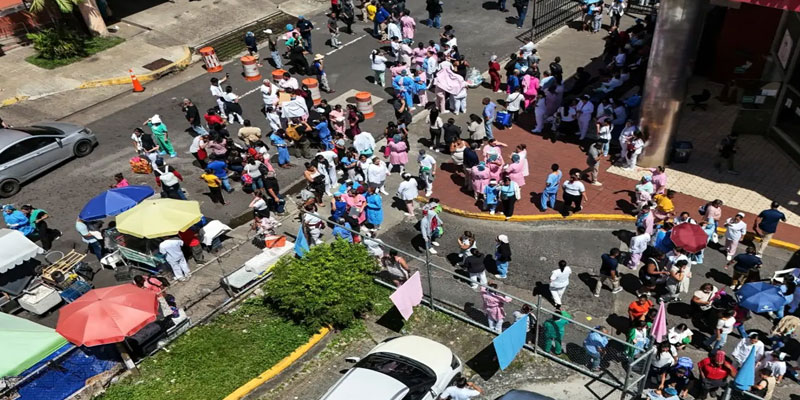
The earthquake struck at around 7:34 a.m. local time near San José del Palmar in Chocó, with violent tremors felt across western and central Colombia and neighbouring countries. It caused widespread structural damage in cities including Cali, Pereira, Manizales and Quibdó. Homes, hospitals, schools and public buildings were damaged or destroyed, while roads and other critical infrastructure were disrupted.
The scale of the disaster has complicated casualty assessment. While the government has reported hundreds missing, civilian databases indicate the figure could exceed 4,100, reflecting the difficulty of tracing people amid destroyed communications, displacement and damaged communities. More than 25,800 families have reportedly been affected.
Aid Arrives as Rescue Operations Intensify
With Colombia’s emergency services stretched, tons of aid from regional partners began arriving on Wednesday, bringing urgently needed food, medical supplies, shelter material and other relief. International agencies and foreign governments have also offered assistance, while the United Nations is supporting shelter, healthcare, food security and protection efforts. The United States has announced $15.5 million in emergency assistance, including support for shelter, food and structural assessments.
Yet delivering aid is proving as difficult as mobilising it. Remote terrain in Chocó, damaged roads and existing security problems involving armed groups have restricted access to some of the worst-hit communities.
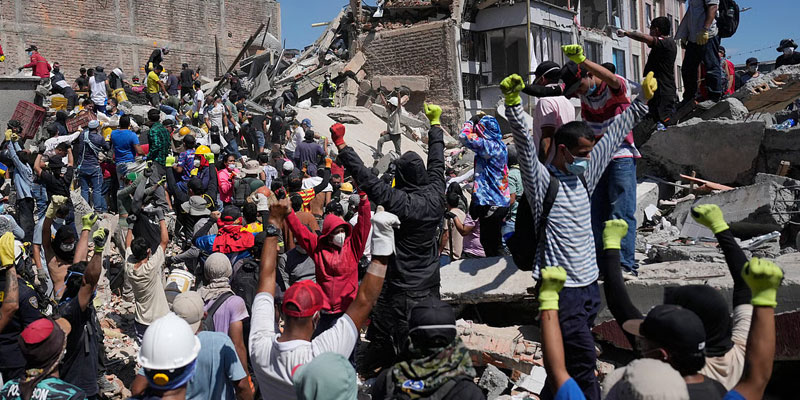
Rescue teams are therefore working under extraordinary pressure. Firefighters, soldiers, volunteers and international specialists are carefully clearing rubble, sometimes demanding complete silence to detect faint cries. Recent rescues of survivors have reinforced the belief that people can still be saved, making every hour crucial.
Aftershocks Add to Public Anxiety
Fear has not ended with the main shock. Aftershocks, including tremors recorded soon after the initial earthquake, have heightened anxiety among residents, particularly those whose homes have already been weakened.
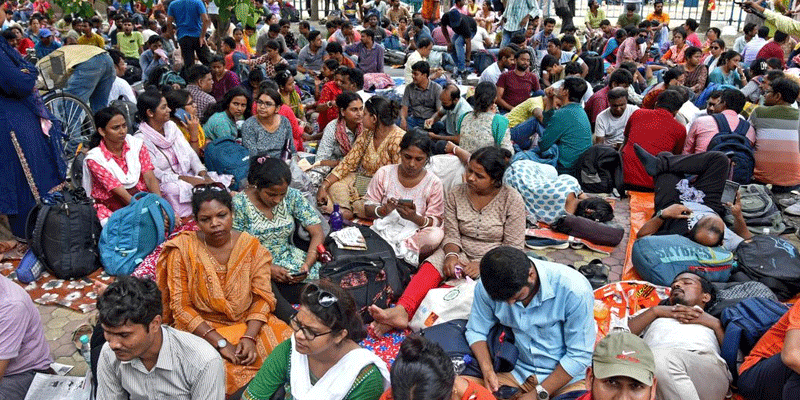
Many Colombians are consequently reluctant to return indoors, while authorities face the difficult task of assessing whether damaged structures can withstand further shaking. For families sheltering in schools, stadiums and public buildings, uncertainty over additional tremors has compounded trauma, displacement and fear.
The Hardest Test Is Still Ahead
The immediate priority remains finding survivors, treating the injured and providing safe shelter. But Colombia’s challenge will extend far beyond the rescue phase. Rebuilding homes, restoring infrastructure and supporting traumatised communities will require sustained national and international cooperation.
The earthquake has exposed both the vulnerability of communities and the enormous logistical demands of disaster response. The rescue clock may eventually stop, but Colombia’s recovery will be measured in months and years.
(With agency inputs)