Women’s Quota, Delimitation Signal Political Shift
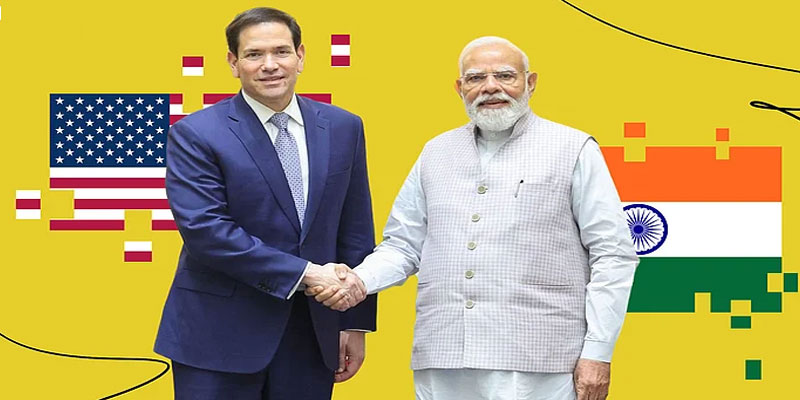
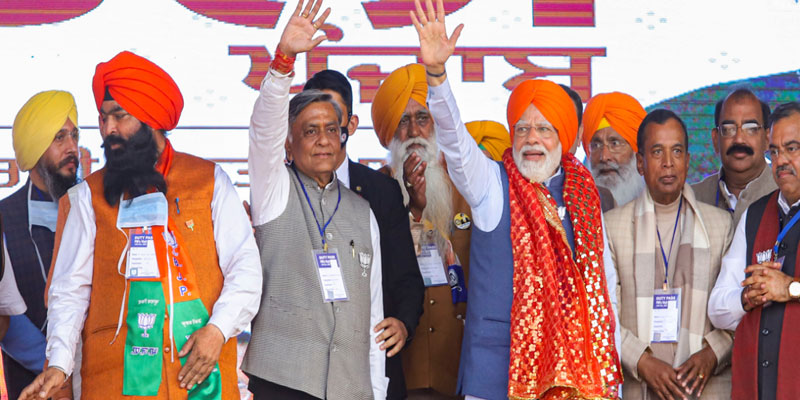
A day after Shiromani Akali Dal (SAD) president Sukhbir Singh Badal met Prime Minister Narendra Modi in New Delhi, the Akali Dal has backed immediate implementation of the 33% Women’s Reservation Bill and supported the Centre’s delimitation proposal. The move has intensified speculation about a possible SAD–BJP reunion ahead of the 2027 Punjab Assembly elections.
From Farm-Law Fallout to Possible Political Reset
SAD and the BJP were long-standing allies in Punjab until their relationship broke down in 2020 over the three farm laws. SAD subsequently left the NDA, while the laws were repealed in 2021.
Since then, both parties have operated separately. The BJP has attempted to strengthen its independent political base in Punjab, while SAD has faced pressure from the AAP government and Congress. Badal’s meeting with Modi therefore carries significance beyond a routine political interaction, particularly with issues such as national security, drugs and Punjab’s electoral arithmetic creating common ground.
SAD Backs Immediate Women’s Reservation
Following a meeting of senior SAD leaders in Chandigarh, Badal called for the immediate implementation of the 33% reservation for women in legislatures.
He linked the party’s position to Sikh principles of women’s dignity and equality, noting that the SGPC already provides reservation for women in its House. The stance allows SAD to present the quota as both a matter of political representation and an extension of its ideological and social principles.
For the BJP, SAD’s support also strengthens the political momentum behind a major legislative reform.
Akali Dal Softens Position on Delimitation
The more significant shift concerns delimitation. SAD now supports what it describes as a fair and equitable exercise, including the Centre’s proposal for a uniform 50% increase in Lok Sabha seats for all states.
SAD leader Daljit Singh Cheema acknowledged that the party had previously opposed delimitation based on the 2011 Census. Following detailed deliberations, however, the party decided to support the current formula and called for both measures to be implemented without delay.
This change removes a potential obstacle in any renewed engagement with the BJP.
Alliance Arithmetic Behind the Policy Convergence
The timing strongly suggests that policy positioning and political strategy are increasingly overlapping. For SAD, backing women’s reservation broadens its appeal while the delimitation shift reduces friction with the BJP.
For the BJP, renewed cooperation with SAD could provide an experienced regional partner with a traditional rural and Sikh constituency. For the Akalis, an alliance could offer greater political space against AAP and Congress, while allowing the party to retain its distinct identity on Punjab’s agrarian, religious and regional issues.
The Real Test Lies Ahead
The crucial question is whether this convergence develops into formal seat-sharing negotiations and an electoral alliance before the 2027 Punjab polls.
The biggest challenge for SAD will be managing its grassroots response, particularly among voters who supported its break with the BJP after the farm-law controversy.
Policy Convergence Could Become Political Reunion
SAD’s latest positions do not by themselves confirm a BJP alliance, but they clearly indicate a significant thaw in relations. Women’s reservation and delimitation have provided common policy ground, while the Modi–Badal meeting has added political weight to the speculation.
Ultimately, the coming months will reveal whether this is simply tactical cooperation—or the first serious step towards rebuilding one of Punjab’s most consequential political alliances.
(With agency inputs)