Court Defers Relief in Growing Digital Political Dispute
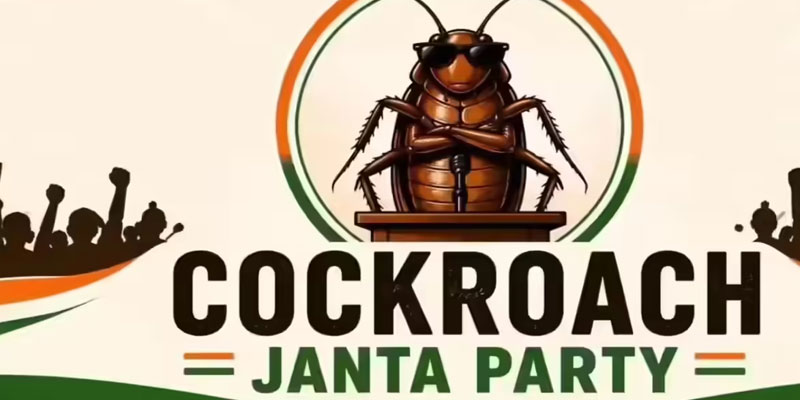
The debate surrounding the Cockroach Janta Party (CJP) has intensified after the Delhi High Court declined to grant immediate relief to the movement’s blocked X account. What began as an online satirical response to a controversial public remark has evolved into a wider political and legal controversy involving questions of free speech, digital activism, state regulation and youth engagement in politics. With the next hearing scheduled for July 6, the issue has moved beyond social media and into the center of a national conversation on democratic expression in the digital age.
How a Satirical Movement Took Shape
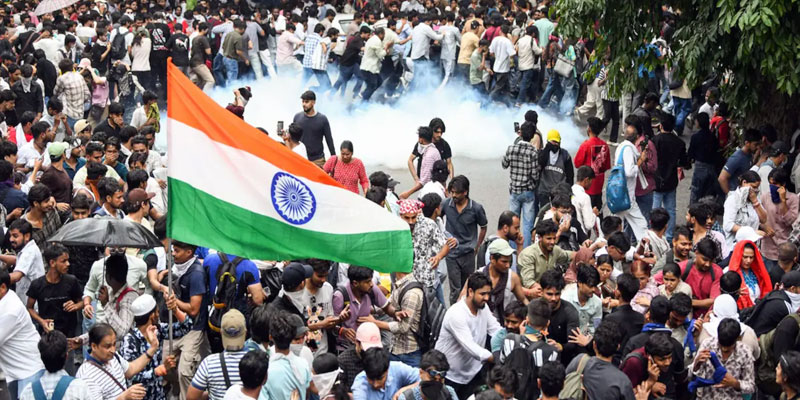
The origins of the Cockroach Janta Party lie in a controversial observation reportedly made by the Chief Justice of India during a court proceeding, where vocal online activists and unemployed youth were allegedly compared to “parasites and cockroaches.” Rather than retreating from the criticism, 30-year-old Boston University student Abhijeet Dipke transformed the term into a symbol of resistance and founded the Cockroach Janta Party as a satirical movement.
The initiative rapidly gained attention across social media platforms. Within a short span, the movement amassed more than 23 million Instagram followers, turning what started as political satire into a major online phenomenon. Its popularity attracted attention from political parties, commentators and civil society groups, elevating the movement from internet culture into mainstream political discourse.
Delhi High Court Declines Interim Relief
The latest development came on May 29, 2026, when the Delhi High Court refused to immediately restore CJP’s blocked X account. The court observed that some of the content published on the platform appeared “slightly offensive” and noted that the matter involved significant implications requiring a detailed examination.
Rather than issuing interim relief, the court decided that a comprehensive assessment would be necessary after hearing the Central Government’s position. As a result, the blocked account will remain inaccessible in India until further proceedings. The next hearing has been scheduled for July 6, leaving the movement’s digital outreach restricted for the time being.
The account was reportedly blocked under Section 69A of the Information Technology Act after concerns were raised by security agencies regarding its content and influence. Authorities cited national security considerations, while supporters of the movement argue that the action amounts to censorship of political satire and dissent.
Political Reactions and Expanding Debate
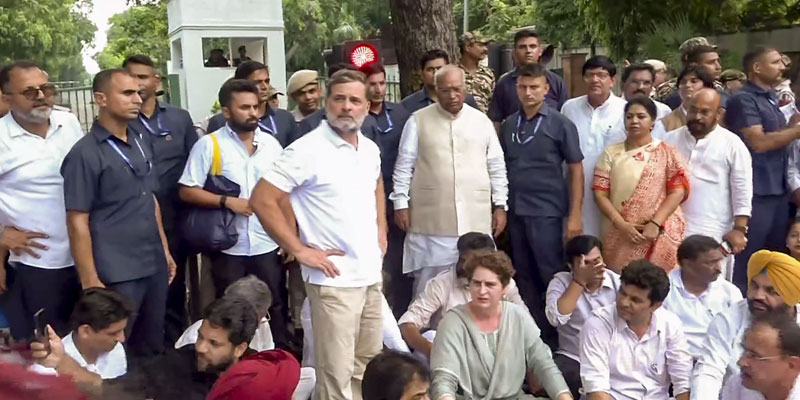
The controversy has triggered sharply divided political responses. Opposition leaders, including Akhilesh Yadav, have referenced the growing “BJP versus CJP” narrative, portraying the movement as a reflection of youth sentiment.
Meanwhile, critics of the movement have alleged that its rapid online growth may have been amplified by foreign bot networks, raising concerns about external influence on political conversations. Adding another dimension to the debate, activist Sonam Wangchuk publicly defended the right of young people to express themselves creatively and urged authorities to engage with their concerns rather than suppress them.
A Test Case for Digital Democracy
The Cockroach Janta Party controversy has evolved into more than a dispute over a social media account. It now represents a broader struggle over the boundaries of political satire, digital free speech and state oversight in an increasingly connected society. The Delhi High Court’s decision to postpone immediate relief reflects the complexity of balancing constitutional freedoms with security concerns. As the July hearing approaches, the outcome could shape how future digital political movements operate in India and define the relationship between online expression and governmental regulation in the years ahead.
(With agency inputs)