A Renewed Push for Resolution
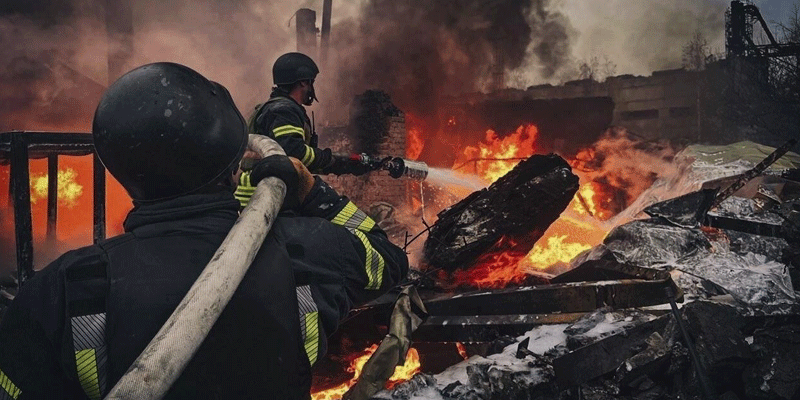
The war between Russia and Ukraine, triggered by Russia’s 2022 invasion, has left a trail of destruction, claiming thousands of lives and destabilizing European security. After years of intense fighting and repeated diplomatic setbacks, new efforts are underway to craft a sustainable peace. Recent talks in Geneva have seen the US and Ukraine jointly drafting a “refined” peace plan aimed at ending the conflict while balancing territorial, security, and political considerations.
A Conflict with Global Ramifications
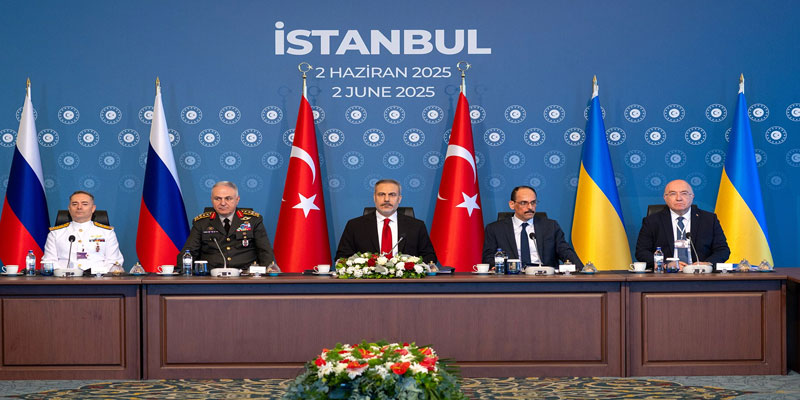
The Russia-Ukraine war has reshaped the European security landscape. Russian offensives in eastern Ukraine and Crimea have caused massive displacement, disrupted global energy supplies, and triggered sanctions that reverberate worldwide. Multiple attempts at negotiations—including talks brokered by the UN, Turkey, and other international mediators—have failed to produce lasting agreements, largely due to irreconcilable demands over territory and security guarantees.
The current diplomatic push reflects growing urgency to prevent further humanitarian crises and to stabilize the continent, while providing a framework for Ukraine’s sovereignty and Russia’s security concerns.
Previous Peace Plans and Failures
Trump’s Controversial Proposal
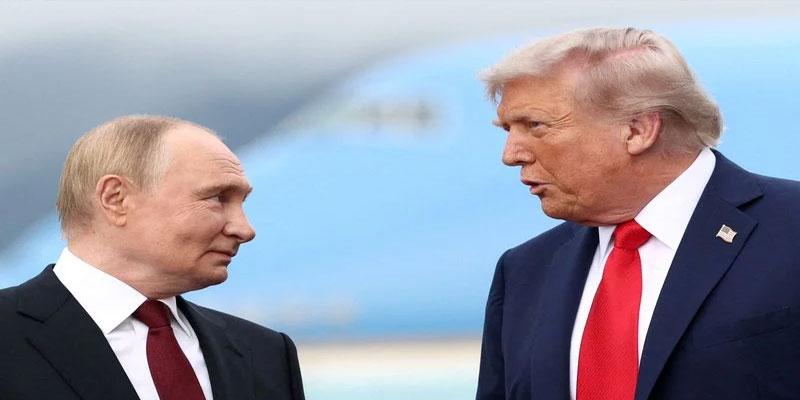
Earlier in 2025, the Trump administration proposed a 28-point peace plan that called for Ukraine to cede significant territories in the Donbas region and Crimea, and renounce NATO aspirations. The plan also envisioned a bilateral security framework, including a non-aggression pact among Ukraine, Russia, and Europe, alongside renewed US-Russia arms control measures.
Although President Trump personally endorsed the plan, it faced sharp opposition. Ukrainian leaders rejected territorial concessions, warning that it would embolden Russian aggression. Western allies, including US lawmakers, criticized the plan for appearing biased toward Russian demands, potentially undermining Ukrainian sovereignty.
European Counter-Proposal
In response, Britain, France, and Germany tabled a counter-proposal emphasizing Ukraine’s right to self-defence and rejecting forced territorial cessions. Their draft suggested negotiating territorial adjustments from current frontlines, reinforced by verified ceasefires. They also recommended strong US security guarantees, comparable to NATO’s Article 5, to maintain a balance between deterrence and diplomacy.
Geneva Talks: Navigating Complex Challenges
The current Geneva discussions aim to integrate lessons from earlier plans. Ukrainian officials have publicly rejected the US plan’s territorial terms, while Russia continues to press for recognition of annexed regions. Key hurdles include:
· Ukraine’s insistence on maintaining full territorial integrity.
· Russia’s demand for territorial recognition and security assurances.
· Transatlantic debates on Ukraine’s military future and Western integration.
· Diplomatic pressure from the US on Kyiv to expedite responses without jeopardizing Western support.
Negotiators face the delicate task of reconciling sovereignty, security, and geopolitical realities, while ensuring any settlement is credible and enforceable.
Path Forward for Peace
The evolving US-Ukraine plan, tempered by European proposals, illustrates the intricate interplay of realpolitik and principles of national sovereignty. A successful resolution will require:
· Respecting Ukraine’s territorial integrity.
· Addressing legitimate Russian security concerns without rewarding aggression.
· Establishing verifiable enforcement mechanisms to maintain lasting peace.
While fundamental disagreements remain, diplomatic momentum offers a glimmer of hope. The coming months will be crucial in shaping the trajectory of the conflict and ensuring long-term stability for Europe.
(With agency inputs)