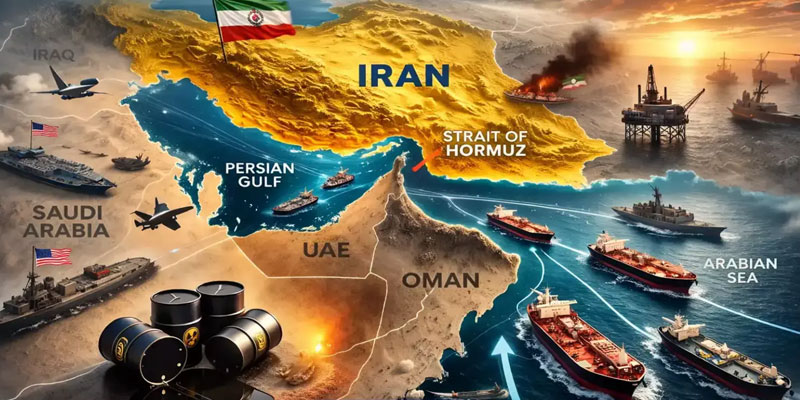
The Iran conflict has entered a complex new phase, with diplomatic, military, and technological dimensions unfolding simultaneously. As tensions continue to disrupt global energy routes, major powers are scrambling to stabilise the situation—most notably through efforts to secure the strategically vital Strait of Hormuz. From European naval proposals to Russian nuclear mediation and regional outreach, the crisis is now shaping a broader geopolitical realignment.
Hormuz Crisis: Europe Steps in with a Defensive Plan
After weeks of Iranian mining activity and U.S. threats of a naval blockade, maritime traffic through the Strait of Hormuz has been severely disrupted. This chokepoint handles a significant share of global oil shipments, making its closure a major threat to energy markets.
In response, Emmanuel Macron announced that France and the UK will soon convene a conference to organise a multinational mission aimed at restoring safe navigation. The proposed initiative is designed as a defensive, non-combat operation focused on escorting vessels, conducting surveillance, and supporting de-mining efforts.
European leaders, including those from France, the UK, Germany, and Italy, have jointly condemned attacks on commercial shipping, framing them as threats to global security. The emphasis remains on avoiding direct military escalation while ensuring freedom of navigation.
Macron’s Diplomatic Strategy: Security Through Negotiation
Macron’s approach reflects a broader European strategy that prioritises diplomacy alongside security. By proposing a European-led mission independent of U.S. command, Paris and London aim to reassure Gulf nations and global shipping stakeholders while keeping communication channels open with Tehran.
The initiative also serves as a diplomatic lever, signalling that maritime security can coexist with negotiations over broader regional stability. Macron has repeatedly stressed that a lasting resolution must include guarantees for all parties, including Iran, Israel, and Arab states.
Russia’s Nuclear Role: Offering a Technical Off-Ramp
On the nuclear front, Russia has positioned itself as a key mediator. Kremlin spokesman Dmitry Peskov reiterated Moscow’s willingness to accept Iran’s enriched uranium and convert it into reactor fuel.
This proposal offers a potential compromise: Iran retains its right to nuclear energy while reducing the risk of weaponization. By physically relocating sensitive material, the plan could ease tensions between Tehran and Washington, providing a technical pathway toward de-escalation.
Regional Diplomacy: Saudi–Iran Dialogue Resumes
Amid the crisis, diplomatic engagement within the region has also resumed. Foreign ministers from Iran and Saudi Arabia held a rare phone conversation to discuss ways to reduce tensions and restore stability.
This dialogue builds on the détente brokered in 2023 and highlights the importance of regional cooperation in preventing further escalation. Maintaining this channel is critical, as Gulf stability directly impacts global energy security.
Turkey’s Position: Warning Against Escalation
Turkey has taken a critical stance on the evolving conflict. Foreign Minister Hakan Fidan warned that Israel may seek new adversaries to sustain its security narrative, cautioning against further militarisation.
Inside Iran: Record Internet Blackout
While global diplomacy unfolds, internal conditions in Iran remain tightly controlled. The country is experiencing a near-total internet blackout—now the longest on record—severely limiting communication and information flow.
This shutdown restricts public dissent and obscures the full impact of the conflict on Iranian society, complicating both domestic accountability and international engagement.
A Fragile Balance Between Diplomacy and Escalation
The Iran crisis is no longer confined to military confrontation; it has evolved into a multi-dimensional geopolitical challenge involving energy security, nuclear negotiations, and regional alliances. Efforts by Europe, Russia, and regional players reflect a shared urgency to prevent further escalation.
However, the path forward remains uncertain. The success of these initiatives will depend on whether diplomatic engagement can outweigh entrenched strategic interests. If managed carefully, the Strait of Hormuz could transition from a flashpoint to a controlled zone of cooperation. If not, it risks becoming the epicentre of a wider global crisis.
(With agency inputs)