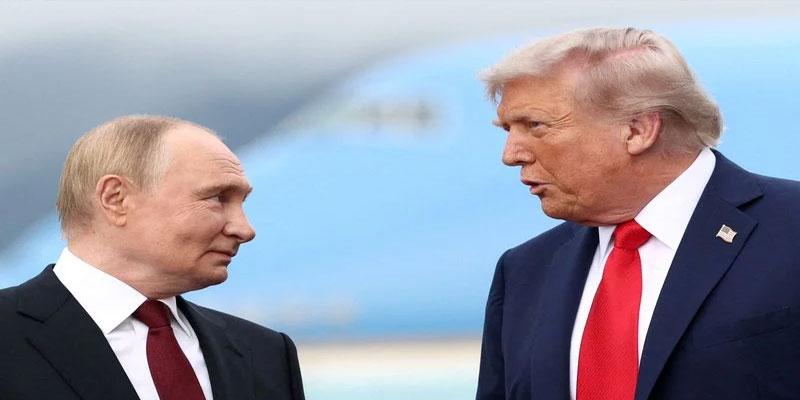
In a dramatic yet cautious announcement, US President Donald Trump declared an indefinite extension of the ceasefire with Iran, even as doubts loom over the future of peace talks. The move signals a temporary halt in direct military escalation but underscores the fragile and uncertain nature of diplomacy in a conflict that has already reshaped regional stability.
How the Ceasefire Took Shape
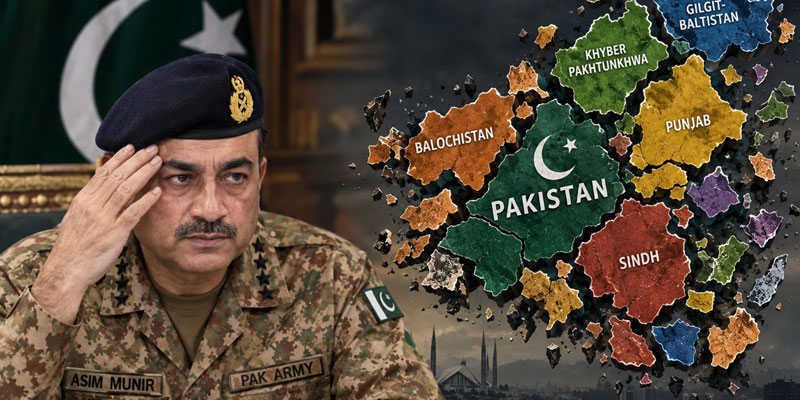
The extended truce follows an earlier two-week ceasefire brokered through the intervention of Shehbaz Sharif and Asim Munir. Trump credited Pakistan’s leadership for persuading him to pause planned military strikes, describing their role as pivotal in averting further destruction.
This initial ceasefire was tied to Iran’s willingness to reopen the strategically vital Strait of Hormuz to international shipping. However, diplomatic progress proved elusive. Talks held in Islamabad, led by JD Vance on behalf of Washington, stalled over critical issues such as Iran’s enriched uranium stockpiles and missile capabilities.
As negotiations faltered, the United States escalated pressure by imposing a naval blockade on key Iranian ports, including Bandar Abbas and Chabahar. The conflict soon expanded in complexity, with Israel emerging as an active military partner aligned with US objectives.
Continued Pressure Despite Ceasefire
While extending the ceasefire, Trump has simultaneously reinforced economic and military pressure. The US Navy continues to enforce its blockade, restricting maritime traffic and maintaining a strong presence around Hormuz. Trump has made it clear that lifting these restrictions is contingent upon Iran presenting a credible and unified proposal for peace.
This dual-track approach—pausing direct attacks while sustaining coercive pressure—creates a precarious balance. Iran’s internal divisions between political leadership, religious authority, and military factions complicate its ability to respond cohesively. Meanwhile, Israel has not publicly committed to the extended truce, raising the risk of unilateral actions that could destabilize the situation further.
Flashpoint at Hormuz: Tensions Persist
Despite the ceasefire extension, violence has not fully subsided. Reports indicate that Iran’s Revolutionary Guard fired upon a commercial vessel in the Strait of Hormuz shortly after the announcement. Additional incidents involving attacks on tankers—including vessels linked to India—highlight the volatility of the region.
These actions serve multiple strategic purposes for Iran: asserting resistance against the blockade, maintaining leverage over a critical global energy corridor, and challenging US claims of stabilizing the situation. For Washington, such incidents justify the continued naval presence and reinforce its argument for sustained pressure.
Pakistan’s Role as Mediator
Pakistan has emerged as a key diplomatic intermediary, hosting talks and advocating for continued dialogue. Its involvement enhances its geopolitical standing while helping manage regional spillover risks. However, its influence remains limited when it comes to resolving deep-rooted disagreements over sanctions, nuclear policy, and regional alliances.
A Ceasefire on Shaky Ground
The indefinite ceasefire represents less a breakthrough and more a strategic pause in a deeply entrenched conflict. While it creates space for diplomacy, the ongoing blockade, sporadic violence at sea, and unresolved political divisions suggest that peace remains distant.
Ultimately, the situation reflects a delicate equilibrium—where restraint coexists with confrontation, and where a single miscalculation in the Strait of Hormuz could unravel the fragile calm. Trump’s extension may have delayed escalation, but the path to lasting resolution remains uncertain and fraught with risk.
(With agency inputs)