From Violence to Fragile Calm
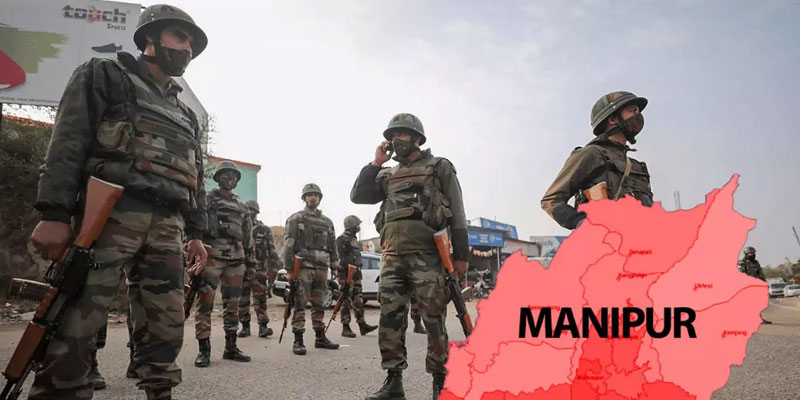
Manipur has witnessed some of the most turbulent ethnic conflicts in recent Indian history, with clashes between the Kuki and Meitei communities since May 2023 leaving the state scarred and deeply divided. Amid mounting insecurity, allegations of militant involvement, and humanitarian distress, political leaders have faced pressure to find a workable solution. Against this backdrop, a significant step was taken this week when the Centre, the Manipur government, and leading Kuki-Zo organisations signed a renewed Suspension of Operations (SoO) pact. The development comes at a time when speculation is rife about Prime Minister Narendra Modi’s possible visit to the Northeast on September 13—his first since violence erupted.
The Pact and Its Commitments
The tripartite agreement involves the Union Ministry of Home Affairs, the Manipur government, and two major Kuki-Zo groups—the Kuki National Organization (KNO) and United People’s Front (UPF). It promises to halt hostilities for at least one year, with all parties committing to respect Manipur’s territorial integrity while working towards a negotiated peace.
The accord carries symbolic weight, aiming to replace bullets with dialogue. By re-establishing communication channels and promising restraint, the pact represents an attempt to heal divides that have fractured communities for over two years.
Measures to Curb Violence
The new terms of the agreement are designed to prevent further flare-ups. Seven Kuki camps will be relocated from volatile zones, and the total number of designated camps will be reduced. Crucially, all weapons from these camps are to be deposited in secure Central Reserve Police Force (CRPF) or Border Security Force (BSF) armouries.
Security forces will also conduct rigorous verification of cadre members to weed out foreign nationals and ensure compliance. These provisions address earlier concerns about militant involvement in ethnic clashes and seek to rebuild trust among communities.
NH-02: Restoring a Lifeline
One of the most visible gains of the pact is the reopening of National Highway-02 (NH-02), a key arterial route connecting the valley to the hills. Blockades along this highway had crippled supply chains, caused acute shortages, and restricted mobility for months.
The Kuki-Zo Council’s decision to lift the blockade, following consultations with the Home Ministry, is expected to revive economic activity, ease the movement of essentials, and restore a sense of normalcy in daily life. For ordinary citizens, this outcome may be the most immediate relief brought by the agreement.
Ensuring Accountability
To prevent slippages, the agreement has instituted a Joint Monitoring Group (JMG). Tasked with overseeing implementation, the JMG will track compliance, investigate violations, and recommend corrective measures. The inclusion of an oversight mechanism reflects lessons learned from past failures, where agreements often remained on paper without effective enforcement.
Historical Context and Stalled Renewal
The original SoO arrangement dates back to 2008, when New Delhi, Imphal, and Kuki groups agreed on a fragile ceasefire, renewed annually. But the 2024 renewal faltered after allegations that cadres had joined ethnic clashes or trained village defence volunteers—charges vehemently denied by the groups.
Meanwhile, the ethnic violence of 2023 split the state along community lines, with Meiteis largely confined to the valley and Kukis holding sway in the hills. This partition disrupted social fabric, stoked distrust, and worsened humanitarian challenges. The new pact, therefore, is as much about political negotiation as it is about restoring fractured relationships.
Political Significance Ahead of PM Modi’s Visit
The timing of the agreement coincides with speculation about Prime Minister Modi’s impending visit to Mizoram and Manipur. If confirmed, it would be his first appearance in the conflict-hit state since the unrest began, symbolising both political engagement and reassurance to affected citizens. The renewed SoO sends a message that the Centre is serious about stabilising Manipur ahead of this visit.
Challenges That Remain
Despite the breakthrough, hurdles lie ahead. The demand for separate administration by Kuki-Zo majority districts remains unresolved, with the Centre refusing to concede. Moreover, deep mistrust between communities cannot be erased overnight by an operational ceasefire. Sustained dialogue, political concessions, and inclusive development remain critical to securing lasting peace.
A Fragile but Forward Step
The signing of the Suspension of Operations pact offers Manipur a fragile but genuine opportunity to move away from conflict. Relocation of camps, disarmament measures, and the reopening of highways signal a desire to restore normal life. Yet, the real test lies in whether this truce can mature into a permanent settlement that addresses the underlying political and ethnic grievances.
For now, the pact provides breathing space—time to mend relations, reopen dialogue, and rebuild confidence. If backed by sincere political will and community participation, this agreement could mark the beginning of reconciliation in a state that has endured too much violence for too long.
(With agency inputs)