Meta Under Fire After Modi Video Controversy
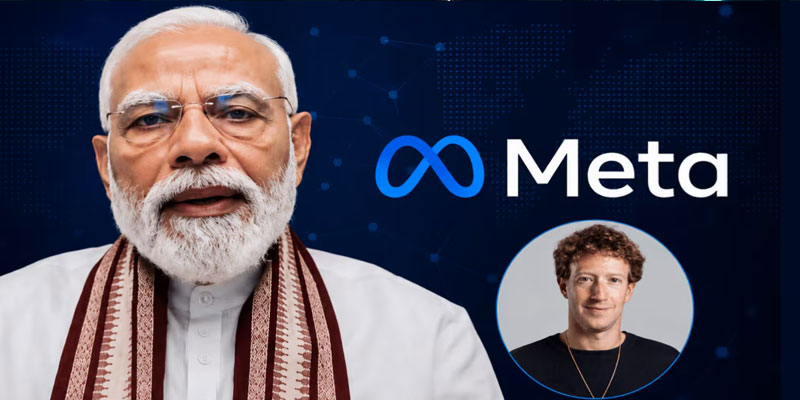
Social media giant Meta is facing intense scrutiny in India after two separate incidents involving Prime Minister Narendra Modi triggered political and legal action. The controversy began with the temporary removal of an authentic video posted by the Prime Minister, followed by an investigation into AI-generated manipulated videos targeting him. The issue escalated further when a Parliamentary Standing Committee demanded a personal apology from Meta CEO Mark Zuckerberg, arguing that accountability must extend beyond a routine corporate apology.
Two Incidents, One Larger Digital Debate
The controversy stems from two distinct but interconnected developments.
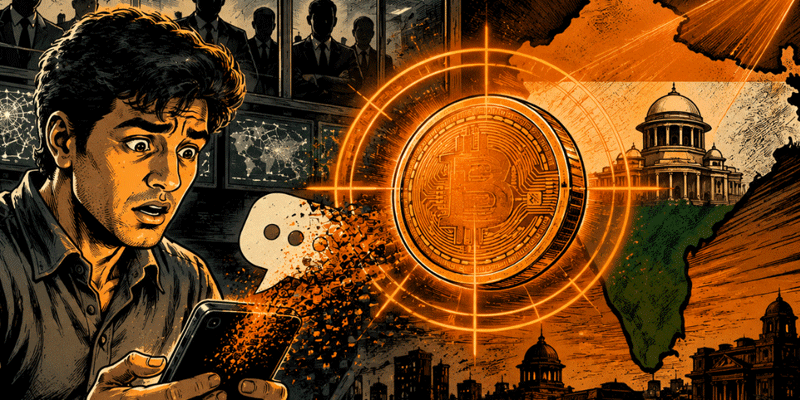
On July 28, a video uploaded on Prime Minister Modi's official Facebook account was briefly made inaccessible to users in India. The video addressed students and young citizens amid nationwide protests over alleged examination-paper leaks and outlined the government's proposed reforms. During the temporary removal, users received a notification stating that the content was unavailable in India due to a "legal request," triggering speculation that it had been deliberately blocked.
Meta later restored the video, clarifying that the removal resulted from a technical error rather than any intentional content moderation decision. However, the explanation failed to satisfy Indian authorities, who sought greater transparency regarding the platform's moderation systems and safeguards for accounts of national importance.
Government Investigation and Deepfake Probe
The issue deepened when the Ministry of Electronics and Information Technology summoned senior Meta officials to explain the circumstances behind the incident. Officials reportedly questioned the company's algorithmic processes, internal review mechanisms and measures to prevent similar occurrences in the future.
Meanwhile, Hyderabad Cyber Crime Police registered an FIR against Meta India head Arun Srinivas and several social media account operators over the circulation of allegedly AI-generated and morphed videos of Prime Minister Modi. Investigators are examining how these deepfake videos originated, spread across Facebook and Instagram, and whether Meta acted swiftly enough to detect and restrict such manipulated content.
Importantly, the police investigation relates exclusively to the AI-generated videos and not to the temporary removal of the Prime Minister's authentic post.
Parliamentary Committee Seeks Stronger Accountability
On August 3, the Parliamentary Standing Committee on Communications and Information Technology questioned Meta representatives for over three hours. While company officials reiterated that the removal of the authentic video was accidental and expressed regret, committee members maintained that an apology alone was insufficient.
The panel has directed Meta to submit a detailed written explanation within ten days, outlining how the error occurred, who authorised or enabled the takedown, and what corrective measures are being implemented.
Committee Chairman Nishikant Dubey further demanded a personal apology from Meta CEO Mark Zuckerberg. He also cautioned that the platform's safe-harbour protection under Section 79 of the Information Technology Act could be reconsidered if the company failed to demonstrate adequate accountability.
Section 79 and the Bigger Regulatory Question
Section 79 of the Information Technology Act grants intermediaries such as social media platforms limited immunity from liability for user-generated content, provided they exercise due diligence and comply with legal obligations. The protection can be withdrawn if a platform fails to act appropriately or participates in unlawful activity.
The current episode has therefore evolved into a broader debate over digital governance, platform accountability and India's digital sovereignty. It has highlighted concerns that algorithmic errors can inadvertently suppress legitimate public communication while AI-generated misinformation continues to challenge existing moderation systems.
Building Trust Through Transparent Digital Governance
The Meta-Modi controversy underscores that managing digital platforms in the AI era requires far more than damage control or public apologies. The immediate focus will remain on Meta's written response and the findings of the Hyderabad Cyber Crime investigation. In the longer term, however, the episode reinforces the need for transparent content moderation, independent oversight, stronger safeguards against deepfakes and clearly defined accountability mechanisms. As artificial intelligence reshapes the information ecosystem, protecting democratic discourse will depend on ensuring that genuine content is not mistakenly censored while manipulated misinformation is identified and contained swiftly and impartially.
(With agency inputs)