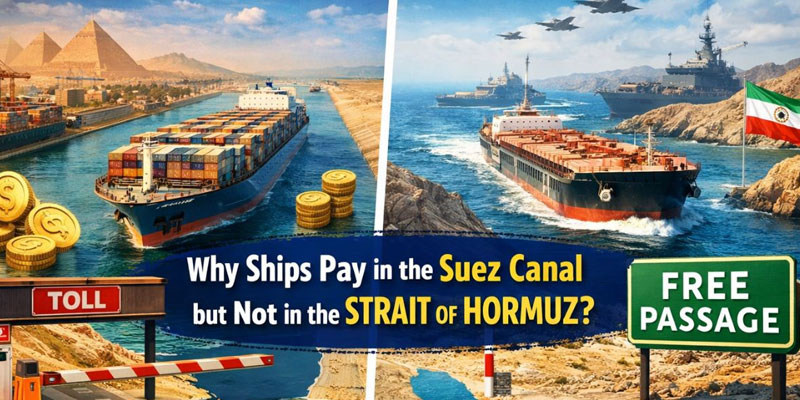
Iran has denied reports that Indian tankers were charged tolls while transiting the strategically critical Strait of Hormuz. The clarification comes at a time of heightened regional tensions and growing concern in India over the safety and cost of its energy imports. While the denial offers temporary reassurance, it does little to ease the broader anxieties surrounding shipping disruptions in the region.
A Critical Artery Under Stress
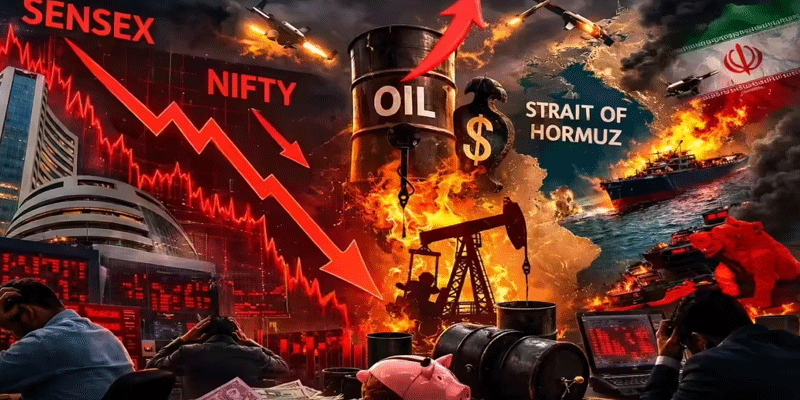
The Strait of Hormuz is one of the world’s most vital maritime corridors, through which a significant share of global oil and gas flows. For India, the dependence is especially high—roughly half of its crude oil and LPG imports pass through this narrow channel.
Recent geopolitical tensions, particularly involving Iran and the United States, have turned the strait into a high-risk zone. Reports of stranded vessels, delayed cargoes, and rising insurance premiums have amplified concerns about supply chain stability.
Iran’s Position: Denial and Diplomatic Signaling
Iran’s ambassador to New Delhi, Mohammad Fathali, categorically rejected claims that Indian vessels were charged any tolls for passage. He emphasized that no payments were made and suggested that Indian authorities could independently verify this.
This statement carries diplomatic weight. By denying such charges, Iran is attempting to reassure India and maintain stable bilateral ties. At a time when tensions are escalating, Tehran appears keen to avoid alienating a major energy partner.
The U.S. Factor: Adding to Uncertainty
The controversy gained traction after Donald Trump warned of potential action against vessels making payments to Iran. This raised fears that shipping through Hormuz could become entangled in sanctions enforcement and geopolitical retaliation.
Even without actual tolls, such warnings create uncertainty. Shipping companies may become cautious, insurers may raise premiums, and operators may alter routes—all of which indirectly increase costs and complicate logistics.
India’s Shipping Stress: Fragile Logistics
India has maintained that it has not paid any tolls for the movement of its LPG carriers. However, the situation remains tense. Reports indicate that several Indian-flagged vessels are still positioned within the Persian Gulf, highlighting the operational challenges.
For Indian refiners and importers, predictability is crucial. Any disruption—whether due to conflict, policy shifts, or perceived risks—can delay shipments, increase freight rates, and force costly adjustments in sourcing strategies. This has a cascading effect on domestic energy prices and supply stability.
Strategic Implications: Beyond the Toll Debate
Iran’s denial reflects a broader strategic calculation. Maintaining smooth trade relations with India is in Tehran’s interest, particularly when its own economy is under pressure from sanctions and regional instability.
At the same time, the evolving role of the United States introduces a layer of unpredictability that extends beyond direct conflict. The mere possibility of sanctions or restrictions can reshape shipping behavior, even in the absence of formal policy changes.
Temporary Relief, Persistent Risk
The denial of toll charges offers short-term clarity but does not resolve the underlying risks in the Strait of Hormuz. For India, the challenge extends beyond avoiding additional costs—it is about ensuring uninterrupted energy flows in an increasingly volatile region.
As geopolitical tensions persist, the strait remains a critical vulnerability in India’s energy security framework. The current episode underscores a larger reality: even without direct charges or restrictions, instability in key maritime routes can have far-reaching economic and strategic consequences.
(With agency inputs)