A Diplomatic Recalibration
Giorgia Meloni has announced that Italy will suspend the automatic renewal of its defence agreement with Israel, citing the “current situation” in West Asia. At the same time, she has voiced support for Pope Leo, reinforcing calls for peace and restraint. The move signals a notable shift in Italy’s diplomatic posture as the regional conflict begins to reshape global strategic calculations.
A Conflict with Global Ripples
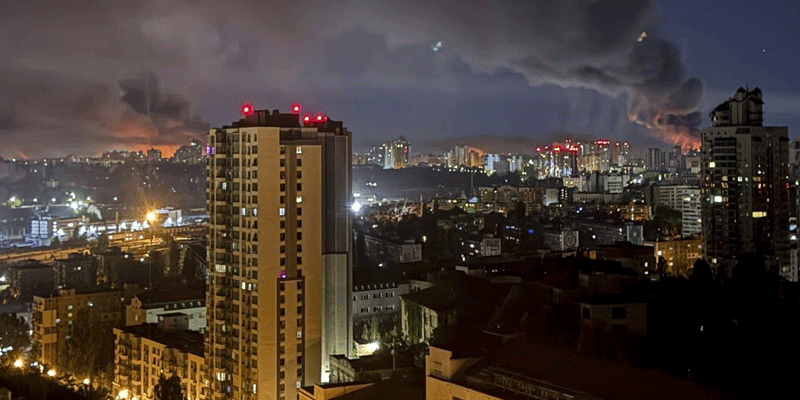
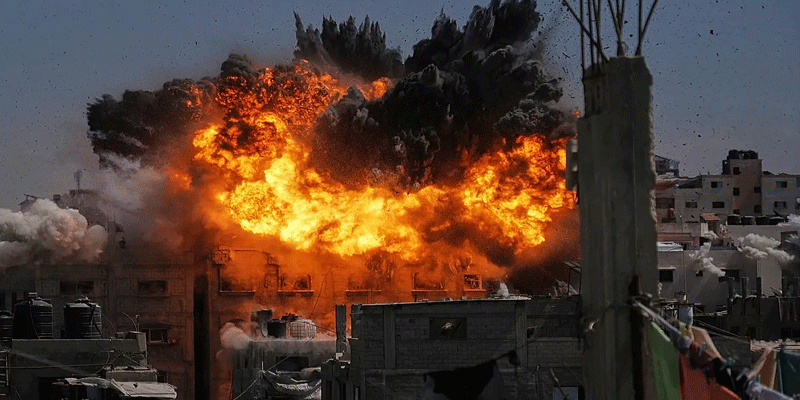
The decision comes amid intensifying tensions involving Iran, Israel, and neighbouring regions such as Lebanon. The situation has been further complicated by disruptions in the Strait of Hormuz, a critical maritime route for global energy supplies.
For Italy and the broader European Union, the conflict is not just a distant geopolitical issue. It directly affects energy security, trade flows, and economic stability. Rising oil prices and potential shipping disruptions pose tangible risks to European economies already navigating global uncertainty.
Defence Pact Suspension: A Calculated Signal
Meloni’s decision to suspend the automatic renewal of the defence pact is significant. While it does not amount to a complete break in ties, it sends a clear political message. The agreement, which includes cooperation in military technology and equipment exchange, has been a cornerstone of Italy-Israel relations.
By pausing its renewal, Italy is signaling discomfort with the current trajectory of the conflict while preserving room for diplomatic maneuvering. This approach reflects a broader European trend—maintaining strategic partnerships while responding to growing domestic and international concerns over the war.
Hormuz and Strategic Concerns
A key factor behind Italy’s stance is the importance of the Strait of Hormuz. A significant portion of global oil and gas shipments passes through this narrow corridor, making its stability essential for international markets.
Meloni has emphasized the need for de-escalation between the United States and Iran, highlighting that any prolonged disruption in the strait would have far-reaching consequences. Italy is also engaging with international efforts, including cooperation with maritime security initiatives, to ensure safe navigation, though it remains cautious about deeper military involvement without broader international backing.
The Pope’s Role: Moral Authority in Diplomacy
Meloni’s support for Pope Leo adds a moral dimension to Italy’s position. The Pope’s calls for peace and condemnation of war have sparked debate, particularly in the United States. By defending the pontiff, Meloni is aligning Italy with a broader appeal for humanitarian consideration and diplomatic resolution.
This stance underscores the role of moral authority in shaping public discourse during conflicts. It also reinforces Italy’s positioning as a voice for restraint and dialogue rather than escalation.
Europe’s Strategic Balancing Act
Italy’s actions reflect a wider shift in European thinking. The conflict is increasingly viewed not only through a military lens but also as a systemic risk affecting global trade routes, energy markets, and diplomatic norms.
By suspending the defence pact, Italy gains leverage while signaling its commitment to de-escalation. At the same time, its focus on Hormuz stability highlights the interconnected nature of modern conflicts, where regional tensions can quickly become global challenges.
A Pragmatic Path Forward
Italy’s response under Giorgia Meloni illustrates a careful balancing act between strategic interests and diplomatic responsibility. The suspension of the defence pact, combined with calls for de-escalation and support for moral leadership, reflects a nuanced approach to a complex crisis.
As the situation in West Asia continues to evolve, Italy’s strategy may serve as a model for how nations can navigate competing pressures—prioritizing stability, safeguarding economic interests, and advocating for peace in an increasingly uncertain world.
(With agency inputs)