State Signs 10 MoUs to Transform Public Healthcare
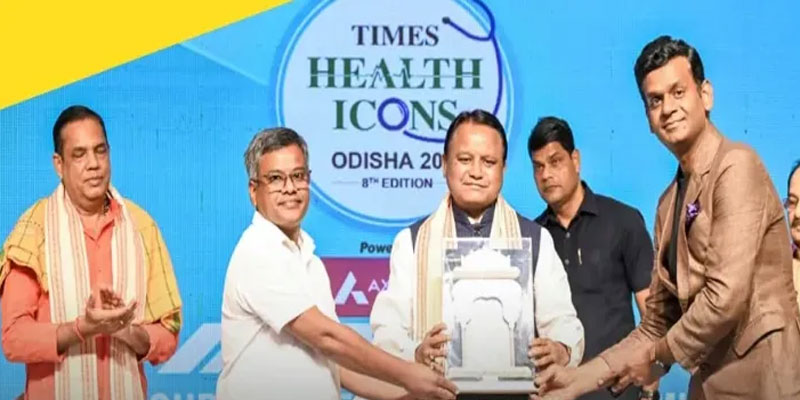
In a significant push towards strengthening Odisha's healthcare ecosystem, the Health and Family Welfare Department on Wednesday signed 10 Memoranda of Understanding (MoUs) with leading national institutions to improve trauma care, medical education, diagnostics, research and health infrastructure across the state. The agreements, signed in the presence of Health and Family Welfare Minister Mukesh Mahaling, represent one of the state's most comprehensive collaborative healthcare initiatives in recent years. Rather than focusing solely on constructing new facilities, the government is seeking to build an integrated healthcare network that combines infrastructure with advanced training, technology, research and institutional partnerships.
From Infrastructure Expansion to Systemic Healthcare Reform
Odisha has made considerable investments in healthcare over the past decade through new medical colleges, district hospitals and expanded health insurance coverage. Yet, significant disparities persist between urban and rural healthcare, particularly in trauma management, specialised diagnostics and skilled medical personnel.
The newly signed MoUs seek to address these structural gaps by strengthening the entire healthcare delivery chain. The partnerships cover emergency trauma care, laboratory accreditation, medical education, innovation, research collaboration and institutional capacity-building, reflecting a broader shift from piecemeal development to long-term health system transformation.
Strategic Partnerships to Improve Patient Care
Among the most significant agreements is the collaboration with AIIMS New Delhi's Centre for Emergency and Trauma Care, which will help establish a Centre of Excellence in Trauma Care at a government medical college or district headquarters hospital. The initiative is expected to enhance emergency response systems, improve treatment outcomes for accident victims and reduce pressure on tertiary hospitals.
The package of collaborations also includes partnerships with the All India Institute of Ayurveda, National Accreditation Board for Testing and Calibration Laboratories (NABL), Amrita Hospital, Tata Steel Foundation, International Finance Corporation (IFC) and several other organisations.
Particularly noteworthy is the focus on NABL accreditation, which will improve the quality, accuracy and reliability of diagnostic laboratories. Faster and more dependable diagnostics can significantly strengthen disease detection, treatment planning and overall patient outcomes—areas that have often remained weak links in public healthcare.
The emphasis on modern teaching methods, medical research and innovation also demonstrates the government's recognition that healthcare reforms must extend beyond physical infrastructure to include skilled professionals and institutional excellence.
Latest Initiative Builds on Odisha's Healthcare Vision
The MoUs complement Odisha's broader healthcare expansion strategy, which has included increased budgetary allocations, establishment of new medical colleges, strengthening of district hospitals and investments in specialised healthcare services.
Health Minister Mukesh Mahaling described the occasion as a "historic day," underscoring the government's commitment to building a sustainable and future-ready healthcare system. Unlike isolated infrastructure announcements, these partnerships seek to create long-term institutional linkages capable of continuously improving medical education, research, diagnostics and patient care.
Implementation Will Define the Success of This Ambitious Vision
The signing of 10 healthcare MoUs marks an important milestone in Odisha's journey towards building a more resilient and inclusive public health system. By bringing together premier medical institutions, accreditation agencies, philanthropic organisations and international partners, the state has laid the foundation for meaningful healthcare transformation.
However, the true measure of success will lie in effective implementation. Functional trauma centres, accredited laboratories, skilled healthcare professionals and improved emergency services—not signed agreements alone—will determine whether these partnerships deliver tangible benefits to citizens. If executed efficiently, the initiative has the potential to significantly narrow healthcare disparities, strengthen public confidence and position Odisha as a model for collaborative healthcare reform in India.
(With agency inputs)