An Open Debate Challenge Intensifies Political Confrontation
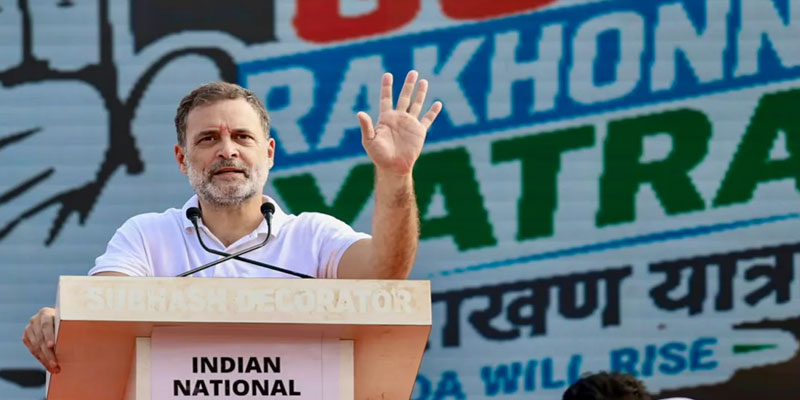
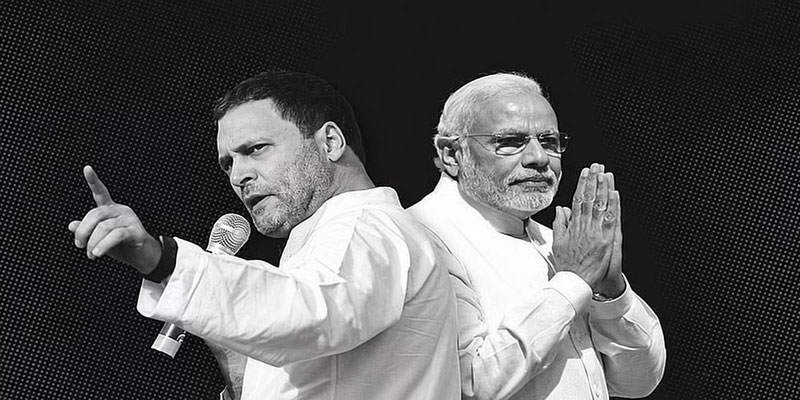
Leader of Opposition (LoP) in Lok Sabha Rahul Gandhi on Tuesday renewed his “open debate” challenge to Prime Minister Narendra Modi and asked him not to be afraid, days after he accused the opposition of colluding with foreign powers to destabilise the country. The renewed challenge has intensified the political confrontation between the Congress and the BJP, with Rahul seeking a direct public debate on several contentious issues, including the India-US deal, the Adani controversy and alleged foreign influence.
How the Political Face-Off Began
The confrontation escalated after Modi, during his Gujarat visit on October 31, accused opposition forces of spreading misinformation, violating constitutional norms and attempting to destabilise India. Referring indirectly to Rahul's foreign visits, he questioned who was secretly meeting whom abroad.
Rahul hit back, alleging that Modi's rise to the Prime Minister's position was linked to foreign assistance. He subsequently challenged him to a direct debate, declaring: “Any stage, any time. Come if you have the guts.”
What Rahul Gandhi Wants to Discuss
Rahul has proposed a public debate before the media and young people, even suggesting RSS chief Mohan Bhagwat as a judge. His proposed subjects include:
· Foreign influence: Allegations surrounding political connections and assistance from abroad.
· India-US deal: Its negotiation, speed of finalisation and whether the Union Cabinet was adequately consulted.
· Adani controversy: Questions surrounding the closure of the Adani case and alleged corporate-political links.
· Epstein controversy: Issues arising from the wider controversy and its possible implications.
· Financial structure: Questions concerning India's financial system and economic framework.
BJP's Counterattack: Rijiju and Amit Shah Respond
The BJP has rejected Rahul's framing of the proposed debate, with senior leaders questioning his intentions and challenging him on different issues.
Parliamentary Affairs Minister Kiren Rijiju dismissed the invitation, arguing that “top-level debates are done between matured people”. He also accused Rahul of advancing the interests of India's enemies and alleged that foreign forces were supporting his political agenda.
Union Home Minister Amit Shah adopted a more direct counterstrategy. He challenged Rahul to debate three subjects in a special Parliament session:
· Electronic Voting Machines (EVMs).
· Special Intensive Revision (SIR) of electoral rolls.
· Infiltration and its implications for national security.
Shah also indicated that the government was prepared to convene a special session of Parliament for such a discussion. This effectively shifted the debate towards subjects on which the BJP believes it has a stronger political and institutional position.
Political Strategy Behind the Debate Challenge
The confrontation is significant because both parties are attempting to control the political narrative.
For Rahul, repeatedly asking Modi to choose the venue creates an opportunity to portray the Prime Minister as reluctant to face uncomfortable questions. By bringing the media and younger generations into the proposed discussion, he is also attempting to project himself as demanding greater transparency.
For the BJP, refusing to accept Rahul's proposed agenda while offering alternative subjects allows it to challenge the Congress on electoral integrity, national security and alleged foreign connections.
The unresolved questions surrounding the India-US agreement, Adani-related controversies and foreign influence provide both sides with ammunition for continued political attacks.
Beyond Political Rhetoric, Accountability Matters
A direct debate between the Prime Minister and the Leader of Opposition remains uncertain. However, the confrontation has exposed competing political strategies and the growing importance of transparency in public discourse. While Rahul wants Modi to answer questions on issues, he considers uncomfortable for the government, the BJP wants the opposition to defend its own positions on electoral and national security matters. Ultimately, political challenges and counter-challenges can generate headlines, but citizens deserve something more substantial: verifiable answers, institutional accountability and meaningful parliamentary discussion on issues affecting the country.
(With agency inputs)