Operation Dost: A Symbol of Humanitarian Solidarity Operation Dost, launched on February 6, 2023, was India’s swift humanitarian response to the devastating 7.8-magnitude earthquake that struck Turkey and Syria, killing over 50,000 and leaving millions homeless. Coordinated by the Ministry of External Affairs, the Indian Air Force (IAF), and the National Disaster Response Force (NDRF), India deployed over 250 personnel, including three NDRF teams, a 99-member medical unit, and specialized equipment like sniffer dogs and medical supplies. Within hours, six C-17 Globemaster aircraft delivered over 135 tons of relief materials, including tents, blankets, medicines, and a 30-bed field hospital in Hatay, Turkey, treating over 3,000 patients. The operation, named “Dost” (friend in Hindi and Turkish), was praised by Turkish Ambassador Firat Sunel as a testament to India-Turkey friendship, with Turkey’s media lauding India’s rapid response.
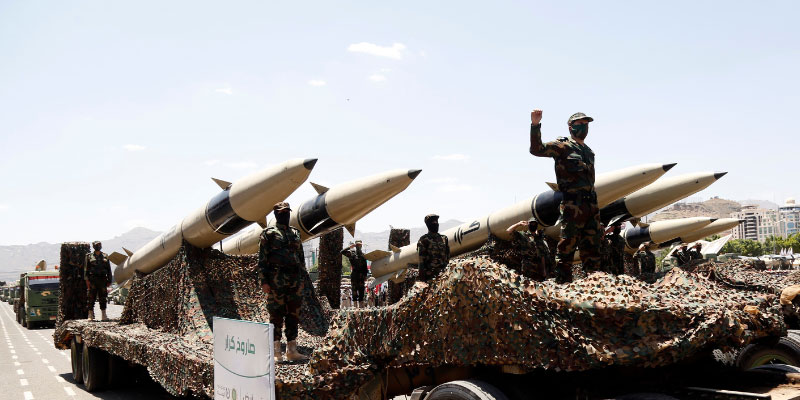
Operation Sindoor: A Trigger for Tensions Operation Sindoor was India’s military response to the April 22, 2025, Pakistan-sponsored Pahalgam attack in Jammu and Kashmir, which killed 26 tourists. Launched to counter terrorist infiltration, the operation exposed Turkey’s military support to Pakistan, including 300–400 SONGAR ASISGUARD drones used in attacks across India’s western border. Turkey also deployed six C-130 Hercules aircraft and the warship TCG Buyukada to Karachi, providing weapons and personnel. This support, alongside President Erdogan’s endorsement of Pakistan’s actions, was perceived as a betrayal of India’s goodwill during Operation Dost.
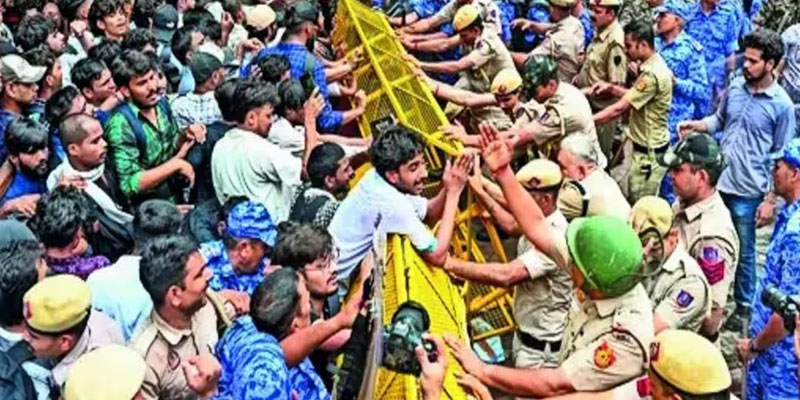
India-Turkey Relations: From Warmth to Bitterness Historically, India-Turkey relations, established in 1948, were cordial, with $7.8 billion in bilateral trade by 2019. However, Turkey’s consistent support for Pakistan, particularly on Kashmir, has long strained ties. Erdogan’s 2020 UN remarks on Kashmir and Turkey’s 2025 military aid to Pakistan during Operation Sindoor deepened the rift. India’s response included a boycott of Turkish goods, especially apples worth Rs 1,200–1,400 crore annually, cancellations of tourism (up 250%), and suspension of academic and film industry ties. The Swadeshi Jagran Manch demanded economic sanctions, reflecting public outrage over Turkey’s actions.
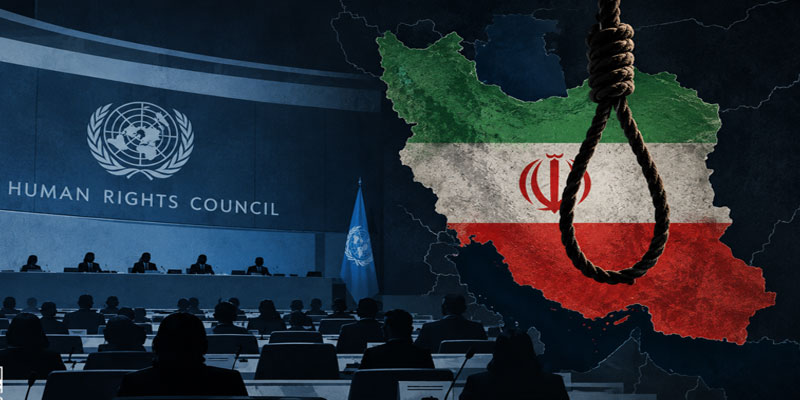
Analysis and Implications Operation Dost showcased India’s soft power and disaster response capabilities, reinforcing its global humanitarian role. In contrast, Operation Sindoor exposed Turkey’s alignment with Pakistan, driven by religious and geopolitical ties, undermining India’s trust. India’s boycott signals a shift toward economic and diplomatic retaliation, potentially targeting Turkey’s vulnerabilities like the Cyprus issue or human rights concerns at the UN. While trade ties, including engineering goods and pharmaceuticals, face turbulence, India’s strategic restraint and focus on global forums could redefine this fractured relationship.