Electoral Reform Becomes a Political Flashpoint
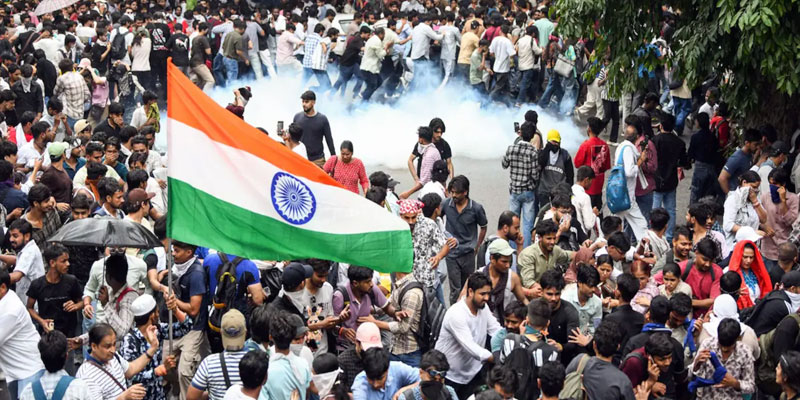
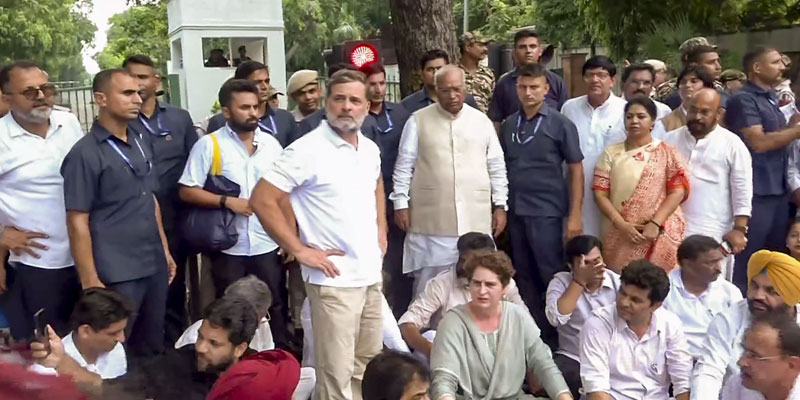
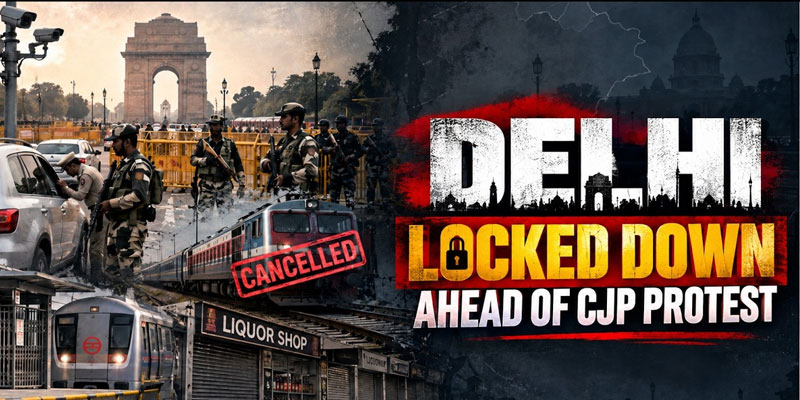
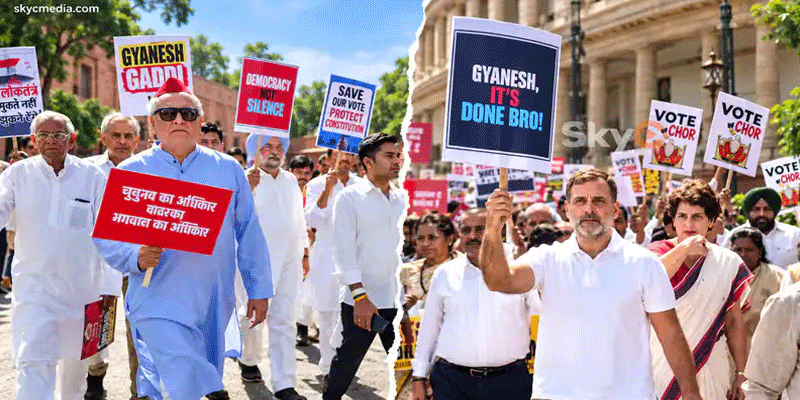
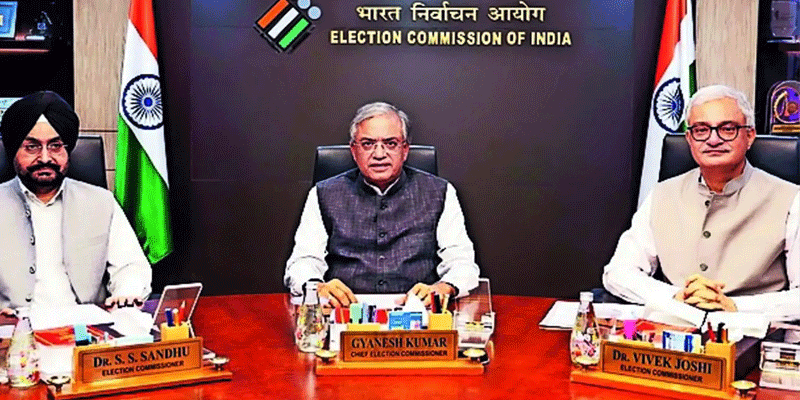
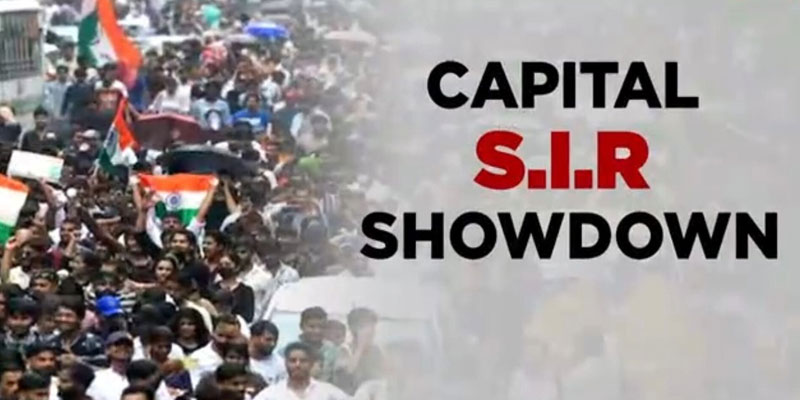
India’s political confrontation over the Special Intensive Revision (SIR) of electoral rolls has intensified, transforming a dispute over electoral integrity into a wider contest over democratic freedoms, political legitimacy and the stability of the Narendra Modi government. Protests by opposition parties and civil-society groups, including demands for the resignation of Chief Election Commissioner Gyanesh Kumar, have centred on allegations of irregularities in the voter-list revision process. While protesters describe their campaign as a defence of fair elections, the BJP maintains that the agitation has a broader political agenda.
Bhushan’s Remarks Trigger a Political Storm
The controversy escalated on October 15, 2026, when senior advocate Prashant Bhushan, speaking at a press conference in Delhi alongside CJP founder Abhijeet Dipke and student activists, declared, “Yes, we want regime change.” He added that the struggle had become “really for regime change.”
Bhushan defended the statement as an expression of constitutional democratic rights, arguing that citizens were entitled to seek a change of government through lawful political means. He also maintained that creating disaffection against the government was not inherently criminal, invoking the Supreme Court’s criticism of colonial-era sedition provisions. His argument drew an important distinction between dissent, however forcefully expressed, and speech that incites violence or public disorder.
BJP Counters with Allegations of Political Conspiracy
The BJP seized upon Bhushan’s remarks as confirmation of its contention that opposition objections to SIR were merely a pretext for challenging the government. Party spokesperson C. R. Kesavan alleged that the exercise was a “smoke screen” for Rahul Gandhi and his political ecosystem, accusing them of seeking to undermine democratic institutions and acquire power undemocratically.
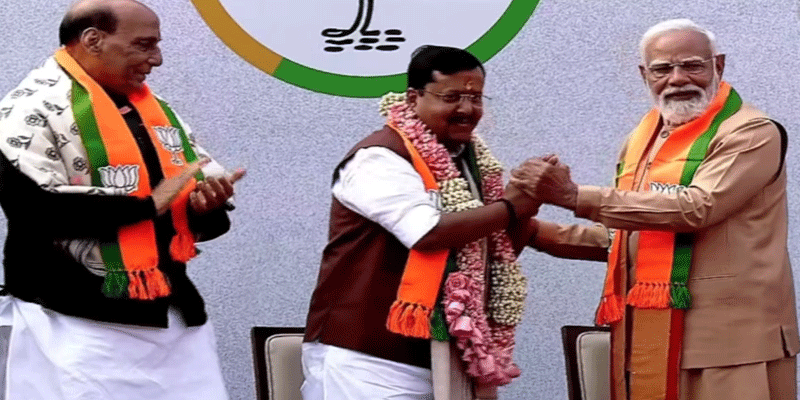
On October 16, Defence Minister Rajnath Singh escalated the confrontation during a visit to Lucknow. Invoking Bangladesh’s 2024 uprising, which resulted in Sheikh Hasina’s removal from power, Singh accused the Congress and allied organisations of pursuing a Bangladesh-style regime change. He alleged that the opposition’s objective was to destabilise democratic institutions and inflame public unrest.
These accusations have shifted attention from the substance of SIR-related complaints towards questions about the intentions, methods and political ambitions of those organising the protests.
Democratic Rights versus Political Stability
At the heart of the controversy lies a fundamental constitutional distinction. In a parliamentary democracy, seeking to replace an incumbent government is neither extraordinary nor inherently illegitimate. Elections, public mobilisation, peaceful protests and political persuasion are established means of pursuing such change.
However, the legitimacy of an objective does not automatically validate every method used to achieve it. Attempts to incite violence, intimidate institutions or circumvent constitutional processes would raise entirely different concerns.
Equally, invoking national security or political stability cannot substitute for addressing credible allegations concerning electoral administration. The Election Commission’s independence, transparency and accountability are essential to public confidence in elections, regardless of which party benefits politically.
Protect Democracy Through Accountability
The SIR controversy exposes the growing difficulty of separating legitimate democratic dissent from partisan political narratives. The BJP’s concerns about destabilising rhetoric deserve scrutiny, but comparisons with Bangladesh cannot, by themselves, establish that Indian protesters intend an unconstitutional seizure of power. Similarly, Bhushan’s invocation of constitutional freedoms does not resolve the substantive questions surrounding electoral-roll revisions.
The appropriate response is neither to criminalise demands for political change nor to dismiss every concern raised by the government as an attempt to suppress dissent. Instead, the Election Commission should address allegations transparently, publish verifiable information and provide accessible mechanisms for correcting electoral-roll errors. Opposition parties, meanwhile, should substantiate their claims and maintain peaceful, constitutional methods of protest.
Ultimately, democracy is strengthened not by shielding institutions from criticism, but by ensuring that criticism produces accountability without undermining constitutional order. The decisive test will be whether India’s political leadership can resolve the SIR dispute through evidence, institutional credibility and public engagement rather than escalating accusations that deepen mistrust.
(With agency inputs)