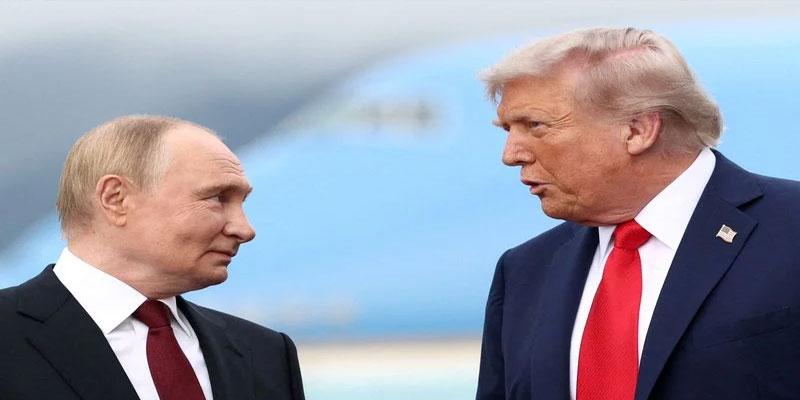
US President Donald Trump’s announcement that Russia will release hundreds of thousands of tonnes of diesel to the United States and global markets marks a significant shift in Washington’s energy and sanctions policy. With fuel prices surging amid geopolitical tensions, the proposed arrangement with Russian President Vladimir Putin seeks to ease supply pressures, calm markets and reduce the economic burden on consumers ahead of the November 3 US midterm elections.
A Major Shift in US-Russia Energy Policy
The United States has maintained extensive sanctions against Russia following its invasion of Ukraine in 2022. Restrictions on Russian energy trade have been a central component of Washington’s strategy to pressure Moscow, although successive policy adjustments have reflected changing market conditions and strategic priorities.
Trump’s latest announcement signals a pragmatic turn, prioritising immediate fuel availability and price stability over maintaining some restrictions on Russian petroleum products. The development also highlights the difficulties governments face when geopolitical objectives collide with domestic energy costs.
What Trump Announced: A Phased Diesel Supply
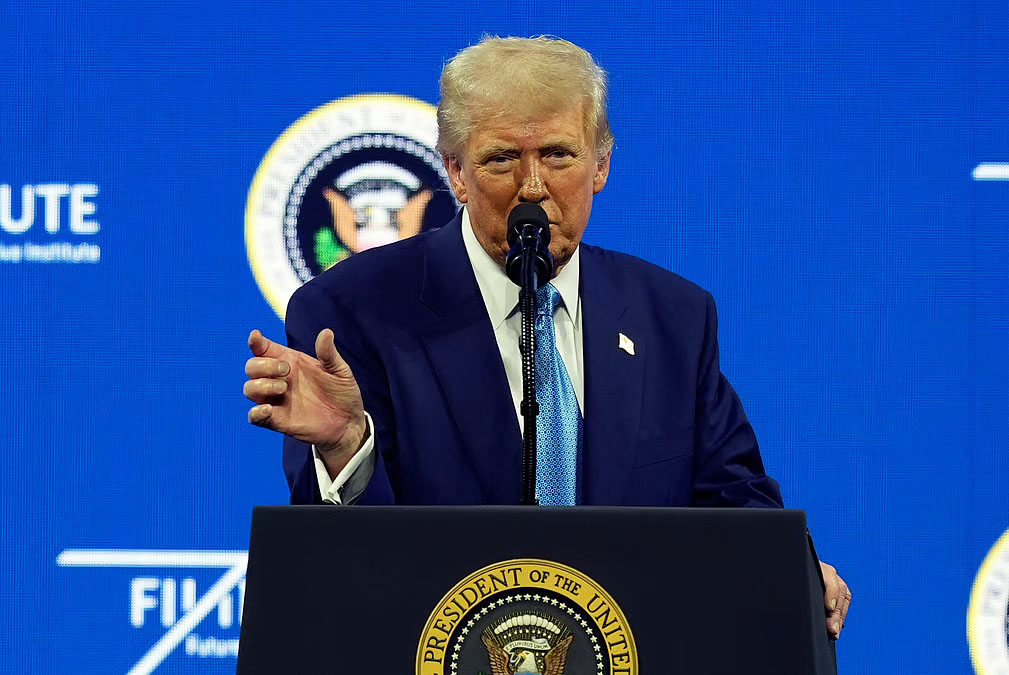
Following a conversation with Putin, Trump said Russia had agreed to release diesel in stages, beginning with 300,000 tonnes immediately. According to his announcement, the proposed schedule includes:
· 300,000 tonnes immediately to support urgent supply requirements.
· 500,000 tonnes in November, followed by another one million tonnes thereafter.
· A further three million tonnes within a short period, depending partly on the condition of Russian refineries.
The White House presented the arrangement as an emergency measure intended to increase available supplies and ease pressure on consumers. The Kremlin separately indicated Russia’s readiness to supply oil and petroleum products to the United States and international markets.
However, the announced quantities and delivery schedule should be distinguished from verified physical deliveries. Actual supplies will depend on logistics, refinery operations, shipping arrangements and the implementation of the sanctions exemption.
Sanctions Waiver Opens a Six-Month Window
Following Trump’s announcement on October 9, the US Treasury Department’s Office of Foreign Assets Control issued a temporary general licence permitting the sale, delivery, offloading and importation of Russian-origin diesel, including into the United States, until April 7, 2027. The exemption applies to qualifying transactions but does not unfreeze Russian government assets held in American financial institutions.
The decision represents a notable reversal of Washington’s pressure campaign against Moscow. It also raises questions about whether easing energy restrictions could provide Russia with additional revenue while its war against Ukraine continues.
Global Reaction: Relief for Markets, Anger from Allies
The announcement drew mixed reactions internationally. Diesel futures fell following news of the proposed additional supplies, reflecting hopes that greater availability could ease the immediate squeeze. However, the diplomatic response was considerably more contentious.
· Ukraine: President Volodymyr Zelenskyy criticised the move, arguing that additional Russian energy revenue could strengthen Moscow’s ability to sustain its war effort.
· US lawmakers: Democratic critics described the decision as undermining efforts to pressure Russia and support Ukraine.
· Energy markets: Traders responded positively in the immediate aftermath, but analysts questioned whether the promised volumes would materially increase overall global supply.
Soaring Fuel Prices Put Governments Under Pressure
The announcement comes amid an acute energy squeeze associated with the war involving Iran, disruptions to international oil flows and damage to refining infrastructure.
According to the American Automobile Association (AAA), US diesel prices reached $6.28 per gallon, having risen sharply since the conflict began in February. High diesel costs affect more than motorists: they increase expenses for farmers, freight operators, manufacturers and businesses dependent on road transportation, potentially feeding inflation across the economy.
The political implications are significant, with Republicans facing mounting pressure to demonstrate progress on living costs before the November 3 midterm elections.
Supply Promises Must Deliver Real Relief
Trump’s Russian diesel initiative underscores the difficult balance between energy security, economic affordability and geopolitical accountability. Although the sanctions waiver could facilitate additional shipments and temporarily reassure markets, it cannot by itself resolve the underlying supply disruptions.
The decisive questions are whether the promised cargoes arrive on schedule, whether they genuinely expand available supplies and whether savings reach consumers. Ultimately, the success of the deal will be measured not by the tonnes announced, but by sustained price relief—without weakening international efforts to hold Russia accountable for its war against Ukraine.
(With agency inputs)