Pakistan Signals End to T20 World Cup India Boycott
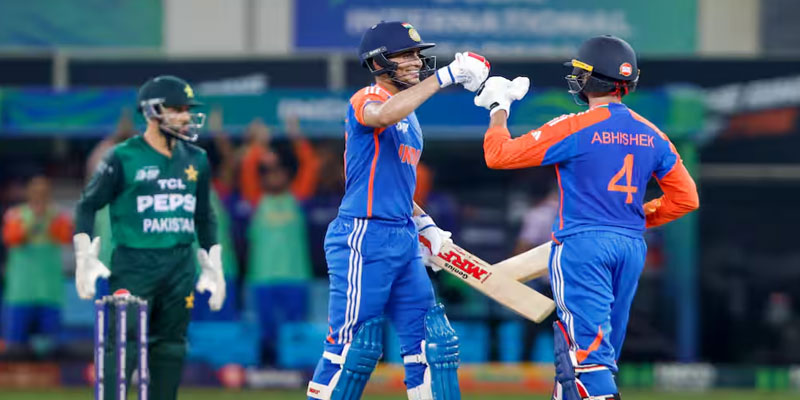
Pakistan has indicated it may reconsider its threat to boycott the India–Pakistan clash at the 2026 ICC Men’s T20 World Cup, hinting at a possible return to the tournament if certain conditions are addressed. The match, scheduled to take place in Colombo as part of a multi-country hosting arrangement, became a flashpoint after political and security concerns triggered a brief standoff between cricket authorities and governments. With global broadcasters, sponsors, and the ICC pushing for resolution, cshift suggests a pragmatic recalibration rather than a full diplomatic thaw.
Cricket Meets Geopolitics Again
Cricketing ties between India and Pakistan have long been shaped by political tensions. Bilateral series have been suspended for years, and multinational tournaments often require neutral venues or hybrid arrangements. The 2026 T20 World Cup controversy erupted when Pakistan initially signalled a boycott, citing security concerns and regional sensitivities tied to travel disputes involving another participating nation. The ICC warned of financial penalties and points forfeiture, highlighting the high commercial stakes of one of the sport’s most lucrative rivalries. As the deadline for the group-stage clash approached, diplomatic and administrative channels intensified efforts to avoid a high-profile no-show.
Pakistan’s Conditions: Revenue, Hosting, and Compensation
At the heart of Pakistan’s recalibrated stance are three key demands presented during recent ICC consultations.
· First, the Pakistan Cricket Board (PCB) has sought a larger share of tournament revenue, arguing that hybrid hosting arrangements and security constraints have historically disadvantaged it financially.
· Second, Islamabad wants clearer assurances about future ICC events being hosted in Pakistan, particularly after missing out on marquee tournaments in recent cycles.
· Third, the PCB has pushed for financial and logistical support for affected regional teams whose participation disputes contributed to the current controversy.
These conditions reflect both economic and political considerations. The PCB faces financial pressure from lost hosting opportunities and reduced bilateral cricket with India, while the government is keen to avoid appearing isolated in international sport. By framing its participation as conditional, Pakistan has attempted to leverage the commercial importance of the India–Pakistan fixture.
India’s Response: Firm on Precedent and Process
India has reacted cautiously but firmly to Pakistan’s proposals. Officials associated with Indian cricket administration have emphasised that tournament arrangements were finalised by the ICC and that no country should receive special concessions after the schedule was set. New Delhi has maintained that the neutral venue already addresses security concerns and that any revenue-sharing revisions must follow established ICC frameworks rather than ad hoc negotiations.
On hosting rights, India has indicated that future tournament allocations depend on bidding processes and infrastructure readiness, not political pressure. Indian authorities have also avoided direct political commentary, allowing cricket administrators to handle discussions within ICC channels. The overarching message has been that participation decisions are Pakistan’s responsibility and that the tournament will proceed regardless.
Possible Outcomes and Implications
If Pakistan ultimately participates, the immediate crisis will ease, ensuring the marquee match proceeds and safeguarding significant broadcasting and sponsorship revenue. However, partial concessions—such as future hosting considerations—may emerge as compromise solutions. A continued boycott, though unlikely, would deepen Pakistan’s isolation in global cricket and risk financial and ranking penalties.
Pragmatism Likely to Prevail
The evolving standoff underscores how cricket between India and Pakistan remains entangled with politics and economics. While rhetoric on both sides has been firm, commercial realities and ICC pressure appear to be pushing toward participation. Even if Pakistan’s demands are only partially addressed, a negotiated outcome would prevent a damaging precedent for global tournaments. Ultimately, the episode highlights the delicate balance between national politics and the shared interests that keep one of cricket’s most watched rivalries alive.
(With agency inputs)