Air Force Exercise Raises Regional Temperatures
As the Iran–US–Israel conflict enters its sixth day, India’s security establishment has moved to reinforce operational readiness. The Indian Air Force (IAF) has scheduled a major military drill, issuing a Notice to Airmen (NOTAM) that temporarily restricts civilian airspace over parts of northern and western India.
While officials describe the exercise as routine, the timing—amid escalating hostilities in West Asia—has triggered heightened vigilance in Pakistan. With tensions already simmering across multiple fronts, even standard military maneuvers are being interpreted through a strategic lens.
Drill Details and NOTAM Protocol
The NOTAM designates specific sectors over Rajasthan, Punjab, and Gujarat for exclusive military operations from March 4 to 6, 2026. Such notifications are standard practice, ensuring civilian aircraft avoid operational zones during complex exercises.
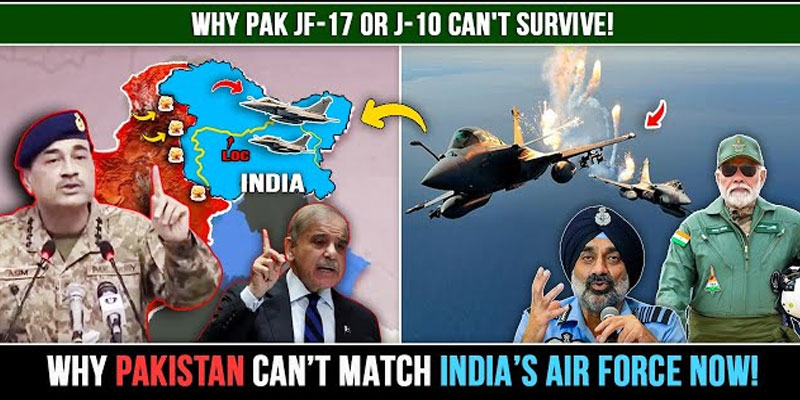
The drill involves frontline fighter platforms including Rafale and Su-30MKI jets, mid-air refuelling tankers, and simulated strike missions. According to defense sources, the focus is on rapid mobilization, night operations, and joint coordination with Army aviation units. Integration of advanced systems such as the S-400 air defense platform and BrahMos cruise missile capability is also being tested to validate multi-domain strike readiness.
The exercise unfolds as global aviation routes are already under strain due to West Asian airspace closures, adding another layer of operational complexity.
Pakistan’s Alert Response
Islamabad is closely monitoring developments. According to regional media reports, the Pakistan Air Force (PAF) has increased radar surveillance and deployed Airborne Warning and Control Systems (AWACS) for enhanced situational awareness.
The response echoes memories of the 2019 Balakot episode, when air exercises and cross-border strikes escalated rhetoric rapidly. While there have been no reported incursions or violations, Pakistan has reportedly positioned JF-17 fighter jets in heightened readiness, signaling reciprocal vigilance.
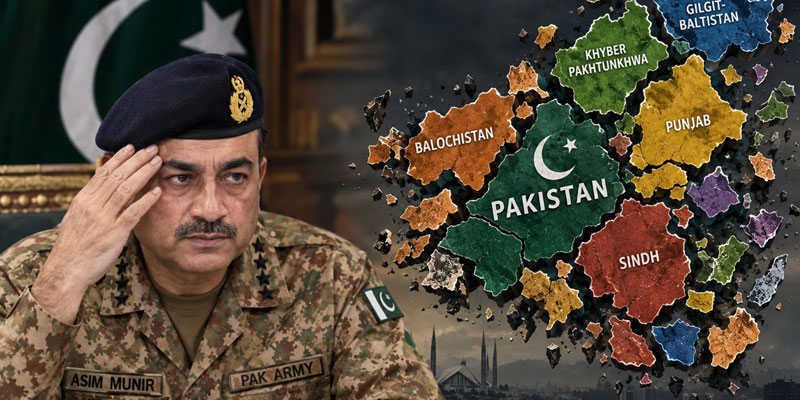
Analysts suggest Pakistan views the drill against a broader backdrop of strategic pressures: instability along the Afghan frontier, close defense ties with China, and spillover risks from Iran’s confrontation with US and Israeli forces.
The Iran Crisis Context
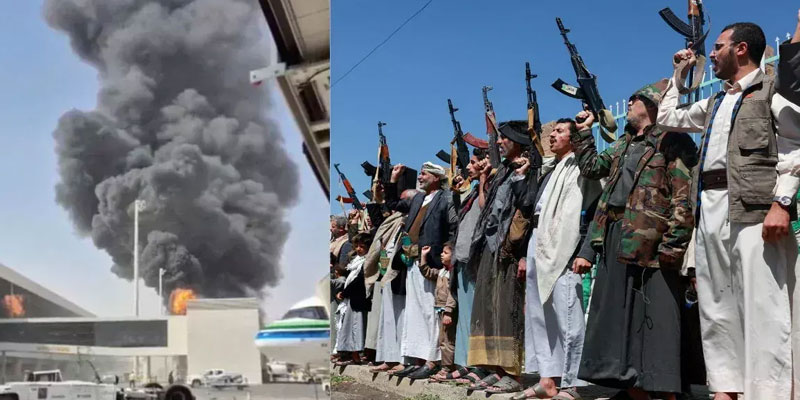
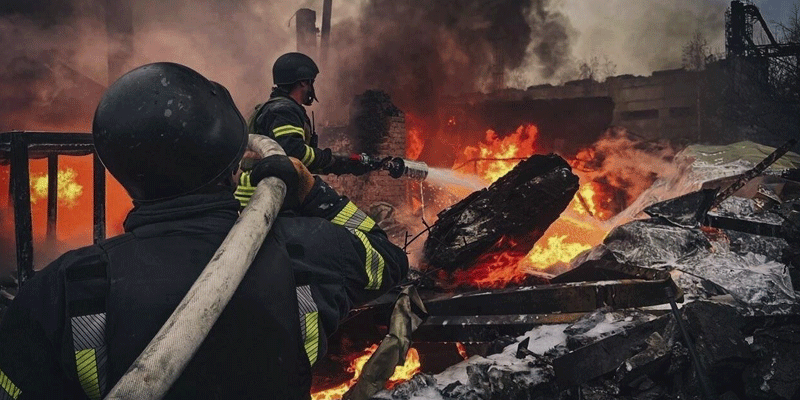
The IAF exercise coincides with intensifying regional turbulence following the February 28 killing of Iran’s Supreme Leader, Ali Khamenei, in joint US–Israeli strikes. Iran has responded with missile and drone attacks across the Gulf, including a strike near the US embassy in Riyadh.
Airspace closures over Iran, Iraq, and Syria have forced global carriers to reroute flights, increasing travel time between Europe and India by nearly 30 percent and raising fuel costs by an estimated 15 percent. With 8 to 10 million Indians residing in Gulf countries, India must maintain preparedness for potential evacuation operations, making IAF readiness critical.
Strategic Calculus and Regional Balancing
India’s move reflects a layered defense posture—preparing simultaneously for contingencies linked to West Asia, China border tensions, and Pakistan’s military calculus. The NOTAM mechanism minimizes miscalculation by clearly demarcating exercise zones away from Pakistani airspace.
For Pakistan, economic strain, internal security challenges in Balochistan, and dependence on Chinese support limit appetite for escalation. Meanwhile, India’s broader diplomatic outreach to Gulf partners reinforces its balancing strategy, combining deterrence with reassurance.
Globally, aviation insurers have reportedly raised premiums by 20 percent amid heightened risk perceptions. In this volatile arc stretching from Tehran to Islamabad, preparedness becomes both signal and safeguard.
Readiness Without Provocation
The IAF drill underscores India’s intent to maintain operational preparedness in uncertain times. While Pakistan’s alert posture reflects understandable caution, both sides appear conscious of avoiding missteps. In an era of interconnected crises—from Gulf instability to great-power rivalry—measured readiness, transparent communication, and strategic restraint remain essential to preventing local exercises from becoming regional flashpoints.
(With agency inputs)