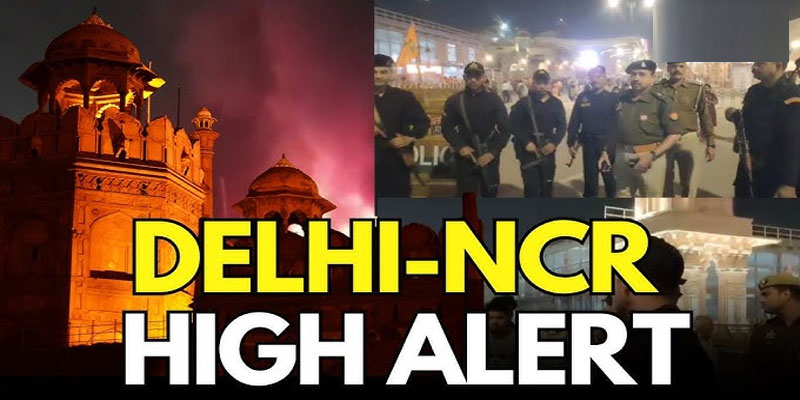
A high alert has been sounded in the national capital following intelligence inputs that Lashkar-e-Taiba is planning to carry out bomb blasts near Red Fort and temples in nearby Chandni Chowk.
Security agencies have issued a high alert in central Delhi following inputs of a possible terror threat near the Red Fort area. According to sources, Chandni Chowk, including a prominent temple in the locality, could be targeted. Intelligence inputs suggest that the Pakistan-based terror outfit Lashkar-e-Taiba is planning an IED attack. The alert comes amid concerns that the terror group may attempt a major strike in India.
The threat is reportedly linked to an explosion that took place at a mosque in Islamabad, Pakistan, on February 6, which left 31 people dead and more than 100 injured in the Pakistani capital. Sources indicate that the outfit could be seeking retaliation and is exploring the possibility of orchestrating a large-scale terror incident in the national capital.
Security has been tightened around key religious sites and other sensitive locations across the national capital. Agencies are maintaining heightened surveillance, particularly around major temples and crowded markets, amid fears that prominent religious places could be on the radar of Lashkar-e-Taiba.
Red Fort blast
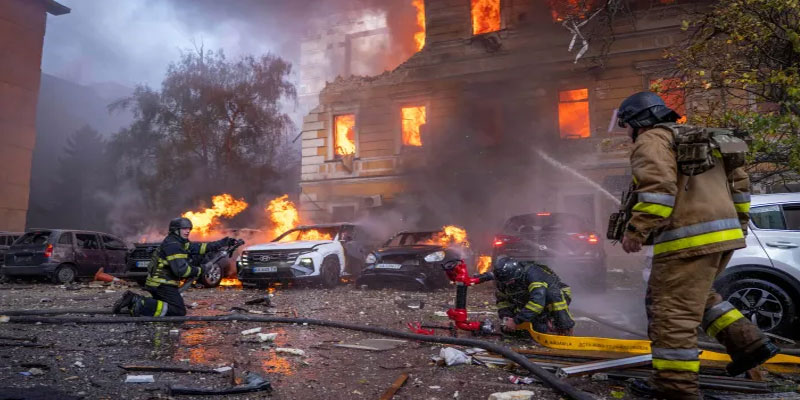
The terror alert comes three months after a deadly car explosion near the historic Red Fort in Delhi on November 10, 2025, in which 12 people were killed, and nearly 24 others were injured. The blast occurred near the Red Fort Metro Station when a car laden with explosives detonated, setting several nearby vehicles on fire.
According to DNA test results, the vehicle was being driven by Umar Mohammad, also known as Umar Un Nabi, a doctor at the Al Falah University in Faridabad. On the same day, 2,900 kg of explosives, including ammonium nitrate, were recovered about 50 km from the national capital in Faridabad, Haryana.
Umar Mohammad allegedly panicked and triggered the explosion near the Red Fort after investigators arrested 2 key members of the module, Dr Muzammil Shakeel and Dr Adil Rather, and seized the cache of explosives.