TikTok at the Center of a Diplomatic Crossfire
TikTok, the wildly popular short-video platform with over 170 million American users, has long been caught in a geopolitical tug-of-war between Washington and Beijing. U.S. lawmakers have argued that the app poses national security risks, while China has resisted calls to divest. After months of uncertainty and several postponed deadlines, U.S. President Donald Trump announced that a deal has been struck to allow TikTok to continue operating in the U.S., with its American assets expected to shift to U.S. ownership. This development not only saves the app from a looming ban but also highlights the broader complexities of U.S.–China trade and technology relations.
The Framework of the Deal
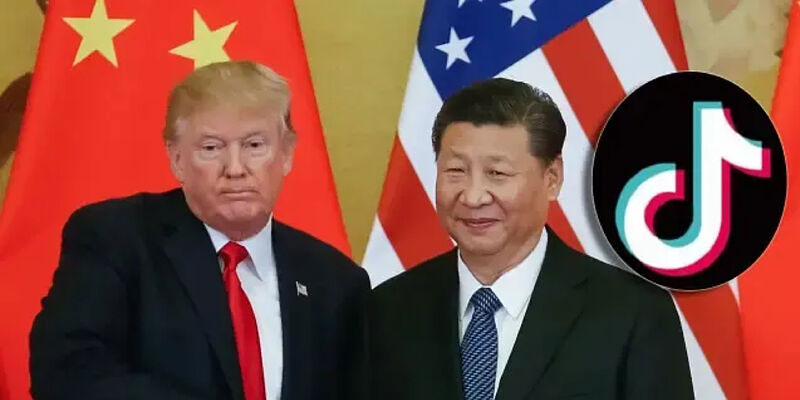
Treasury Secretary Scott Bessent confirmed that negotiators had prepared a framework transferring TikTok’s American operations from ByteDance to a group of U.S. investors. While the details remain under wraps, the plan could mirror earlier proposals to establish a separate, U.S.-majority-owned company. Trump stated that he would finalize the agreement in a call with President Xi Jinping, adding that the deal should conclude within 30 to 45 days.
The negotiations were part of a wider U.S.–China trade meeting in Spain, underlining how TikTok’s fate has become a symbolic test case within broader economic tensions.
Political Stakes in Washington
Even with an agreement in place, TikTok’s future will likely face review in the U.S. Congress. Lawmakers remain skeptical, citing fears that Beijing could exploit the app for surveillance or influence operations. The Biden administration had previously passed legislation mandating divestment, and Trump’s administration inherited those rules but delayed their enforcement, wary of backlash from TikTok’s massive U.S. user base.
The political calculus is clear. TikTok is deeply embedded in the social media landscape, especially among young voters. Trump himself credited the platform for energizing his 2024 re-election campaign and boasts 15 million followers. The White House even launched an official TikTok account last month, underscoring the difficulty of severing ties with the app while maintaining political outreach.
Why TikTok Matters to Both Sides
For the U.S., securing U.S. ownership of TikTok represents both a security safeguard and a precedent for how it might handle other Chinese tech firms. For China, however, conceding to forced divestiture could open the floodgates to similar actions against its global companies. Analysts argue that Beijing’s reluctance is as much about principle as it is about TikTok’s commercial value.
At the same time, banning TikTok outright in the U.S. would carry risks. Millions of young Americans use the app daily, and removing it could spark political backlash. Trump acknowledged this sentiment, noting that “young people in our country very much wanted to save” the platform.
Wider Trade Tensions
The TikTok deal comes against a backdrop of escalating trade strains. Washington has been pressing allies to impose tariffs on Chinese imports, particularly in response to Beijing’s continued purchases of Russian oil. China, in turn, has accused the U.S. of coercion and retaliated by investigating American tech giant Nvidia for alleged anti-monopoly violations.
India’s own experiences with U.S. tariffs have also shaped the geopolitical landscape, contributing to shifting dynamics between New Delhi and Beijing. The TikTok episode, therefore, is part of a larger chessboard where trade, technology, and geopolitics intersect.
A Temporary Reprieve or a Lasting Resolution?
The deal to allow TikTok’s continued presence in the U.S. represents a fragile but significant breakthrough. For now, the app’s 170 million American users can breathe a sigh of relief, and both Washington and Beijing can claim tactical wins. Yet uncertainties remain: Congress could still object, and China may impose conditions before formally approving the divestment.
What is clear is that TikTok has become more than a social media platform — it is now a symbol of global power struggles over data, technology, and influence. Whether this agreement signals a lasting resolution or merely a pause in the conflict will depend on how both nations balance security concerns with political and economic realities in the months ahead.
(With agency inputs)