
A Strategic Industry Meet Signals Growing Momentum
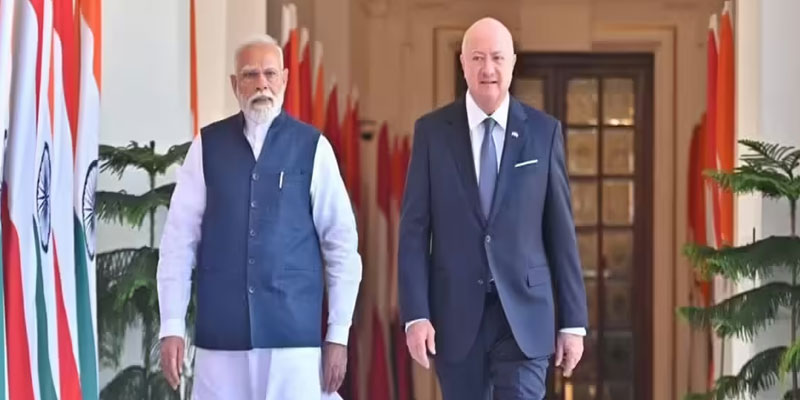
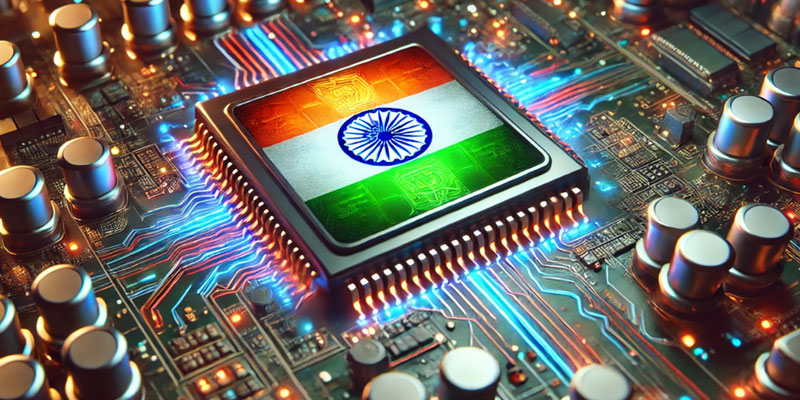
India–Singapore semiconductor collaboration received a major boost with a high-level industry meeting held in Singapore on April 17, 2026. Organized by the India Cellular and Electronics Association and the Singapore Semiconductor Industry Association, the gathering brought together senior leaders from both nations’ semiconductor and electronics ecosystems. The focus was clear: deepen investments, build partnerships, and accelerate integration across the semiconductor value chain. ICEA Chairman Pankaj Mohindroo described the initiative as the foundation of a “trusted semiconductor corridor,” signaling a shift from intent to execution.
The MoU Framework: From Cooperation to Coordination
At the heart of this push lies a structured Memorandum of Understanding (MoU) between ICEA and SSIA, which builds on earlier government-level agreements. The framework enables policy dialogue, business-to-business (B2B) forums, and coordinated ecosystem development. Institutions such as India’s Ministry of Electronics and Information Technology (MeitY) and Singapore’s Ministry of Trade and Industry (MTI) are expected to drive policy alignment and knowledge exchange.
India brings scale, a massive domestic market, and strong policy backing—including approvals worth ₹1.6 lakh crore for semiconductor projects. Singapore, on the other hand, contributes decades of expertise in fabrication, supply chain management, and advanced manufacturing. This complementary dynamic is central to the partnership’s long-term potential.
Complementary Strengths Driving Collaboration
Singapore is a global hub for semiconductor manufacturing, hosting major players like GlobalFoundries and Micron Technology, and accounting for a significant share of global chip testing and assembly. India is rapidly building capacity, with projects such as Micron’s ATMP facility in Gujarat and Tata’s semiconductor fabrication plant in Assam.
The collaboration aims to bridge these strengths. Singapore’s advanced capabilities in fabrication and packaging can support India’s emerging ecosystem, while India’s scale and cost advantages can attract global investments. Joint ventures in assembly, testing, and R&D—especially in next-generation nodes like 3nm and 2nm—are expected to be key outcomes.
Impact on Global Semiconductor Supply Chains
The India-Singapore MoU has significant implications for global semiconductor supply chains.
· First, it enhances resilience by reducing overdependence on traditional manufacturing hubs, particularly in the context of ongoing geopolitical tensions. By creating alternative production and assembly networks, the partnership strengthens supply continuity.
· Second, it enables end-to-end value chain integration—from raw materials to final packaging—through coordinated investments, special economic zones (SEZs), and sovereign funding mechanisms. Singapore’s expertise in logistics and precision manufacturing complements India’s ambition to become a large-scale production base.
· Third, the MoU facilitates faster technology transfer and cost efficiencies. Indian firms can leverage Singapore’s mature ecosystem for outsourcing and innovation, while Singapore-based companies gain access to India’s growing market and workforce. This mutual exchange positions both countries as credible alternatives in a diversifying global semiconductor landscape.
Investment and Talent: The Next Frontier
The partnership is expected to unlock investments in the range of $5–10 billion. Singaporean firms are exploring opportunities in India’s semiconductor clusters, while Indian companies are seeking access to Singapore’s R&D infrastructure. Talent development is another critical pillar, with plans for university collaborations, PhD exchanges, and specialized training programs in microelectronics. These initiatives aim to address workforce gaps and support India’s target of creating over one million jobs in the electronics sector.
Building a Resilient Semiconductor Future
The India–Singapore semiconductor collaboration represents more than a bilateral agreement—it is a strategic response to a rapidly evolving global technology order. By combining scale with expertise, and ambition with experience, both nations are positioning themselves as key players in the future of semiconductor manufacturing. While challenges such as infrastructure readiness and talent shortages remain, the partnership lays a strong foundation for resilient, diversified, and innovation-driven supply chains in the years ahead.
(With agency inputs)