A Dangerous Surge in Regional Violence
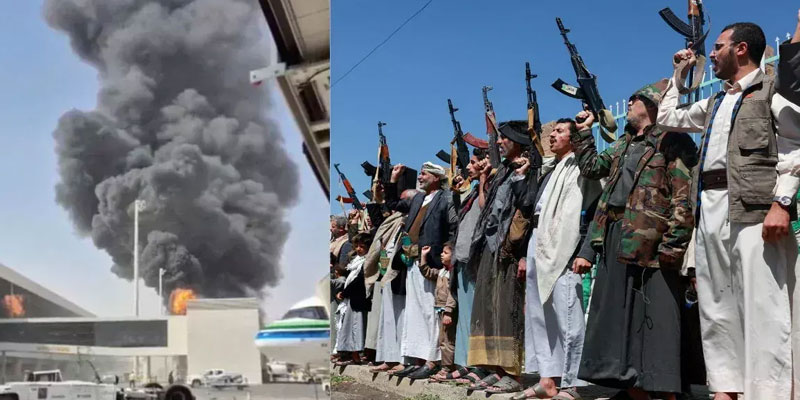
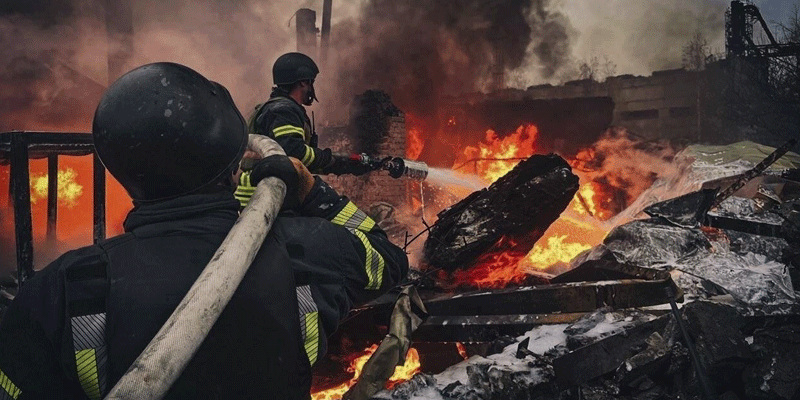
Recent Israeli strikes in Gaza and southern Lebanon—kills totaling at least 25 civilians in Gaza and 13 in Lebanon—have reignited fears that the long-running Israel-Gaza war may be spiralling into a wider regional confrontation. The attacks, occurring despite the October 2025 US-brokered ceasefire framework, underscore the fragile nature of the truce and the escalating volatility along Israel’s northern border. insists its operations target Hamas-linked sites; however, the mounting civilian toll reflects a deepening humanitarian and political crisis.
A Conflict That Refuses to End
The war, reignited after Hamas’s surprise assault on October 7, 2023, has dragged on through cycles of bombardment, temporary truces, and failed negotiations. Israel’s campaign to dismantle Hamas and recover hostages has been met with persistent resistance, while Gaza’s civilian population has faced catastrophic conditions. The ceasefire framework agreed in October 2025 aimed to stem violence through phased hostilities halts, prisoner exchanges, and the eventual establishment of a technocratic administration. Yet, hostilities—particularly Israeli strikes—have persisted, raising questions about the truce’s viability.
Israeli Strikes in Gaza and Lebanon: Expanding the Battlefield
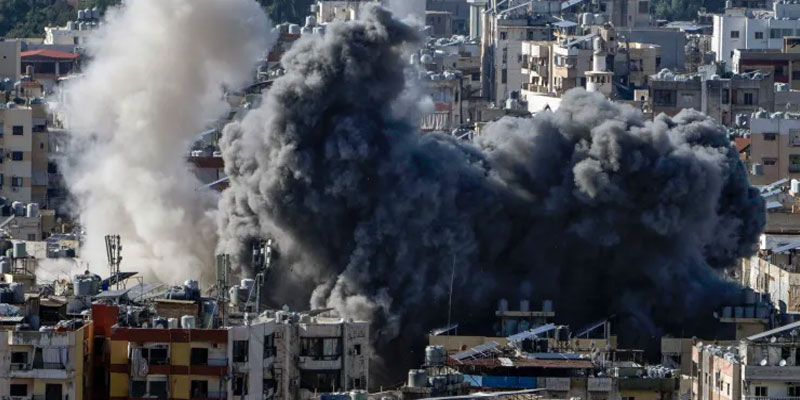
On November 18, 2025, Israeli aircraft struck the Ain al-Hilweh Palestinian refugee camp in southern Lebanon, killing at least 13 people. The operation reportedly targeted a Hamas training facility, but the dense civilian population turned the strike into one of the deadliest incidents in Lebanon since the Israel-Hezbollah ceasefire nearly a year earlier. The Lebanese government condemned the attack as a violation of sovereignty, and Hezbollah’s harsh rhetoric signals the growing risk of a renewed northern conflict.
That same day, Israel launched multiple airstrikes across Gaza—Gaza City, Khan Younis, and other areas—killing 25 Palestinians and injuring more than 70. With over 393 strikes carried out since the ceasefire’s implementation, Israel maintains these are responses to Hamas violations, while Palestinian factions dispute this narrative. Civilians, trapped amid collapsing infrastructure, dwindling medical supplies, and limited refuge, remain the primary victims.
These developments illustrate how the conflict’s geography is broadening: Gaza’s warfront is seeping into Lebanon, reviving fears of a larger, multi-front confrontation.
Ceasefire Under Strain: The Limits of Diplomacy
The US-brokered ceasefire—part of a 20-point peace framework—sought to chart a path toward de-escalation, disarmament of militant factions, and governance reforms in Gaza. While initial steps such as prisoner swaps and partial military withdrawals took place, the agreement has faltered under the weight of mistrust, competing political interests, and continued military engagements. International partners have floated proposals for multinational peacekeeping forces and monitoring mechanisms, but implementation remains stalled.
Humanitarian and Political Fallout
The humanitarian situation in both Gaza and Lebanon is dire. Refugee camps—already overcrowded and underserved—face acute shortages of healthcare, food, and shelter. Each airstrike compounds the suffering and accelerates displacement. Politically, the continued bombardment empowers hardline factions, weakens moderates who support negotiated settlements, and hardens public sentiment on all sides. The erosion of trust complicates diplomatic efforts and raises the risk of rapid escalation.
A Conflict at a Perilous Crossroads
The Israeli strikes in Gaza and Lebanon underscore the instability of the current ceasefire environment. While the 2025 peace framework remains a significant diplomatic attempt to end the war, its effectiveness is undermined by ongoing military actions, reciprocal accusations, and mounting civilian casualties. Without renewed international pressure, rigorous ceasefire enforcement, and expanded humanitarian aid, the region risks sliding into an even broader conflict—one that neither side, nor the international community, can afford.
(With agency inputs)