A Disaster Escalating Across the Himalayas
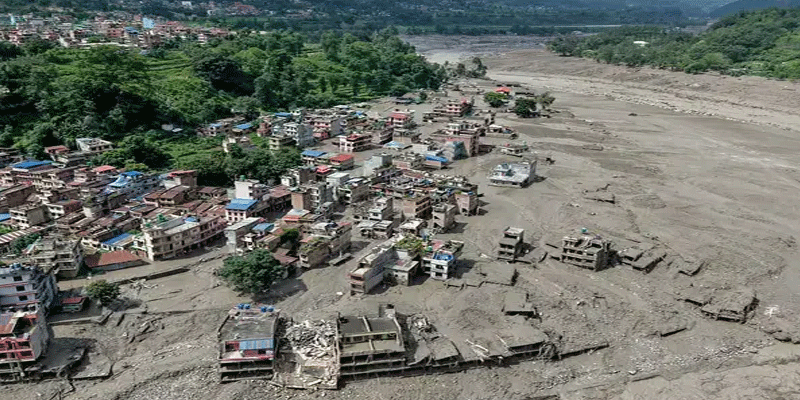
Nepal’s catastrophic flash floods have become a regional humanitarian emergency, with the confirmed death toll rising to 469 by Friday, from 390 a day earlier. More than 1,500 people are reported missing across Nepal and Tibet, while a newly formed lake has overflowed, raising fears of another wave of flooding. The crisis has also drawn China, India and several foreign governments into an increasingly complex rescue and relief operation.
Scale Of Destruction Complicates Rescue
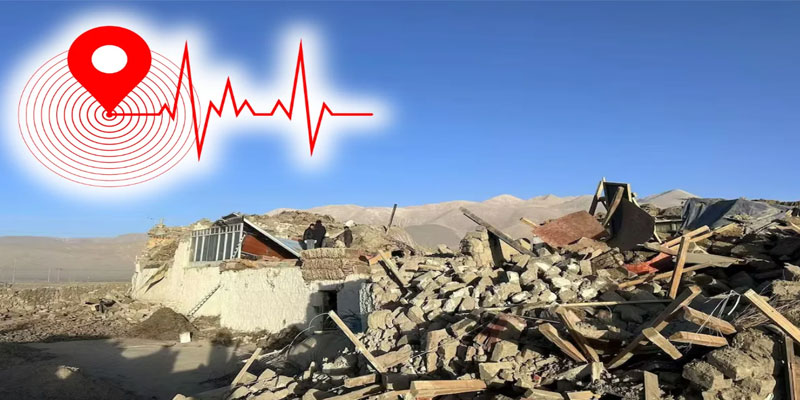
The disaster’s magnitude is compounded by the geography of the affected Himalayan region. Rivers have surged through settlements, bridges and roads have been destroyed, while landslides and unstable slopes have isolated communities. Communication networks have also been disrupted, making it difficult to establish accurate casualty figures or determine the whereabouts of stranded residents.
The changing number of missing people reflects this challenge. Initial estimates exceeded 1,400, before climbing beyond 1,500 across the wider border region. Floodwaters can carry victims and debris far downstream, while damaged transport links prevent rescue teams from reaching remote locations quickly.
The danger has also not ended with the initial flood. An overflowing lake formed amid the disaster has raised concerns about a second inundation, forcing authorities to conduct evacuation, search-and-rescue and relief distribution simultaneously.
Rescue Efforts Intensify Amid Dangerous Terrain
Nepal has expanded helicopter and ground operations, evacuated stranded residents and transported injured people to Kathmandu and other medical centres. More than 3,253 people have reportedly been rescued or airlifted, although hundreds remain difficult to reach.
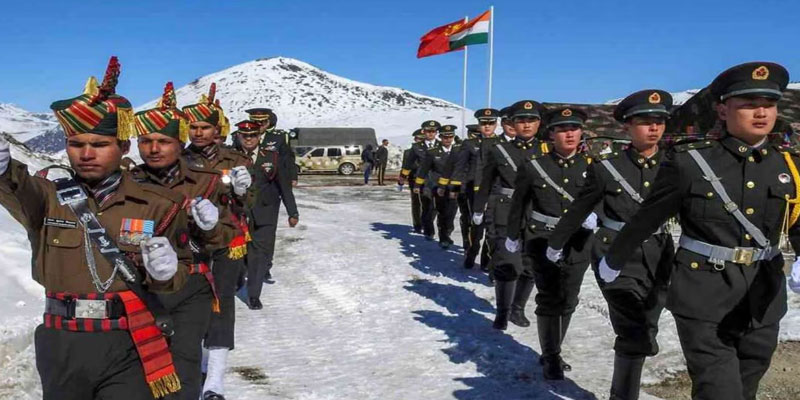
The next phase is considerably more complicated. Authorities must identify isolated settlements, restore communication links, track people who may have moved across the border and establish reliable lists of survivors and missing persons. The presence of missing people from more than 30 countries has added a diplomatic dimension, requiring coordination between Nepalese authorities, foreign embassies and disaster-response agencies.
India Faces a Humanitarian and Consular Challenge
India has a particularly immediate stake in the emergency. The Ministry of External Affairs said 288 Indian nationals remained “uncontactable”, including 73 associated with the Trishuli 1 hydropower project. Importantly, being uncontactable does not automatically mean a person is missing or dead; it indicates that officials have been unable to verify their safety.
India has responded through diplomatic and relief channels, with 47.5 tonnes of relief supplies transported on two aircraft. The Indian Embassy in Kathmandu is coordinating information about affected citizens, while Indian nationals, including people from Tamil Nadu, have already been rescued.
Himalayan Infrastructure Faces a Stark Warning
The catastrophe exposes the vulnerability of Himalayan infrastructure—from hydropower projects and roads to bridges and tourism routes—to extreme weather and rapidly changing mountain conditions. Climate-linked hazards can turn geographically isolated communities into rescue zones within hours.
The immediate priority is locating the untraced, preventing another inundation and delivering medical care, food and shelter. But the longer-term lesson is equally important: Himalayan disaster preparedness cannot remain nationally fragmented.
Rescue Today, Resilience for Tomorrow
Nepal’s floods are not merely a test of emergency response; they are a warning about the risks confronting an increasingly connected but fragile Himalayan region. Effective recovery will require transparent casualty databases, stronger early-warning systems, resilient infrastructure and sustained Nepal-India-China coordination. Finding survivors must remain the immediate mission—but building a Himalayan system capable of saving them faster must become the lasting response.
(With agency inputs)