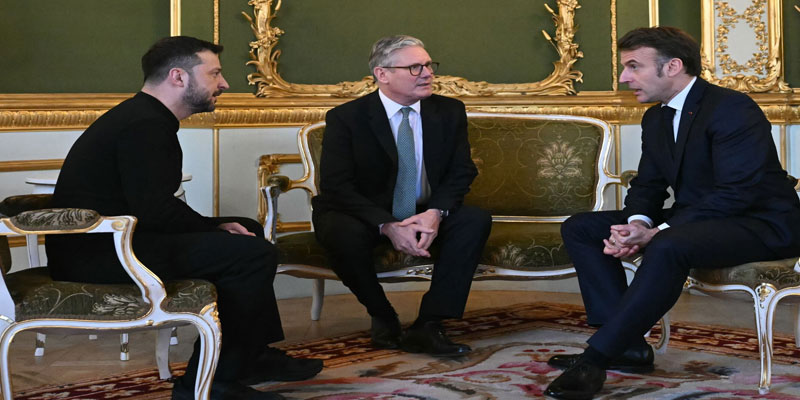
A Summit Amid Global Uncertainty
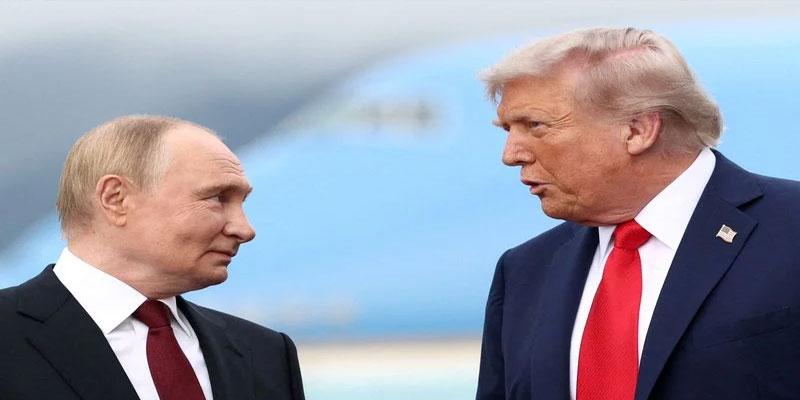
On October 23, 2025, European Union leaders convened in Brussels for a high-stakes summit to reaffirm unwavering support for Ukrainian President Volodymyr Zelensky amid Russia’s ongoing invasion. The meeting came as global diplomatic turbulence heightened, following U.S. President Donald Trump’s abrupt postponement of a planned summit with Russian President Vladimir Putin. Zelensky’s personal attendance underscored Ukraine’s reliance on European solidarity to fill gaps left by uncertain U.S. policy, framing the summit as both a political signal and a practical roadmap for support.
The ‘Reparation Loan’: Using Frozen Russian Assets
Central to the discussions was a European Commission proposal to convert profits and reserves from frozen Russian central bank assets, totalling roughly €300 billion ($320 billion), into a €140 billion ($163 billion) “reparation loan” for Ukraine. The plan envisages leveraging funds held in Belgium’s Euroclear depository to finance reconstruction, sustain military operations, and stabilize Ukraine’s budget through 2027.
While leaders including Ursula von der Leyen and European Council Chair Antonio Costa expressed broad support, countries like Belgium, Germany, and the Netherlands voiced caution, citing legal ambiguities and potential market disruptions. Nevertheless, most EU states, including France and Sweden, signaled a political agreement in principle, commissioning the European Commission to craft a legal framework by early 2026. If implemented, it would mark the largest wartime reparation plan funded through immobilized sovereign assets in EU history.
Zelensky emphasized Ukraine’s need for flexibility in allocating the loan, requesting that a portion be available for schools, hospitals, and energy infrastructure alongside military expenditures. EU diplomats indicated a compromise, allocating most of the funds to European and Ukrainian weapons while reserving a smaller share for general budget support and international arms procurement.
New Sanctions and Energy Measures
The summit coincided with the EU’s 19th sanctions package against Russia, introducing extensive restrictions on energy and maritime sectors. Highlights include a ban on Russian liquefied natural gas imports starting January 2027, measures targeting Russia’s shadow fleet of over 100 vessels, and penalties against major refiners and defense-linked financial entities. EU foreign policy chief Kaja Kallas described the package as a “message of resolve,” emphasizing that Europe will not normalize aggression.
Additionally, leaders discussed enhancing defense cooperation through joint procurement and a €300 million EU fund to bolster Ukraine’s domestic arms production, further signaling Europe’s commitment to Kyiv’s long-term security.
Zelensky’s Message and European Unity
In his address, Zelensky thanked the EU for “standing strong when others waver” and rejected calls for territorial concessions, stating, “Peace cannot be achieved by surrender.” His speech reinforced Ukraine’s stance on sovereignty and the need for rapid, flexible support from allies.
Despite displaying unity, EU insiders acknowledged internal debates over legal risks, energy costs, and political sensitivities amid war fatigue and inflation in some member states. Nonetheless, the summit sent a clear signal: Europe remains Kyiv’s anchor partner, committed to both financial and military assistance despite shifting U.S. engagement.
A Historic Step in European Support
The Brussels summit marked a defining moment of European solidarity, balancing ambition with caution. By proposing the reparation loan and adopting robust sanctions, the EU signaled to Moscow that aggressive actions carry significant consequences. For Ukraine, the summit reaffirmed that Europe remains a reliable partner, offering funding, military backing, and diplomatic support. Analysts note that while legal and financial hurdles remain, the summit sets a precedent for using frozen assets as strategic leverage, illustrating Europe’s capacity to respond decisively in a complex geopolitical landscape.
(With agency inputs)