Bishnoi Network Under Intensified International Lens
Amid fresh coordinated raids across North America and Europe and a US$50,000 reward announced by the Federal Bureau of Investigation (FBI), the Lawrence Bishnoi network has come under unprecedented international scrutiny. U.S. prosecutors have charged Bishnoi and his close aide Goldy Brar with ordering the 2023 assassination of Hardeep Singh Nijjar, expanding what was once viewed largely as an India-centric criminal investigation into a far-reaching transnational organised crime case. The latest action, coupled with coordinated enforcement under Operation Hard Ball, signals a decisive shift in how Western law-enforcement agencies are confronting criminal syndicates with global reach.
From Domestic Gang to Transnational Criminal Network
For years, Indian investigative agencies have identified Lawrence Bishnoi as one of the country's most influential gang leaders, accused of operating an extensive network involved in extortion, contract killings and organised crime. However, the latest indictment filed by U.S. prosecutors significantly broadens that profile.
According to the charges, Bishnoi allegedly continued directing criminal activities from prison in India through smuggled communication devices and encrypted online platforms. Prosecutors further allege that Goldy Brar coordinated overseas operations, particularly across North America, enabling the network to function beyond India's borders.
The U.S. investigation also links the Bishnoi syndicate with two other India-connected criminal organisations—the Bhagwanpuria gang and the Dhanda smuggling group—highlighting an interconnected web of international organised crime.
Operation Hard Ball Expands the Investigation
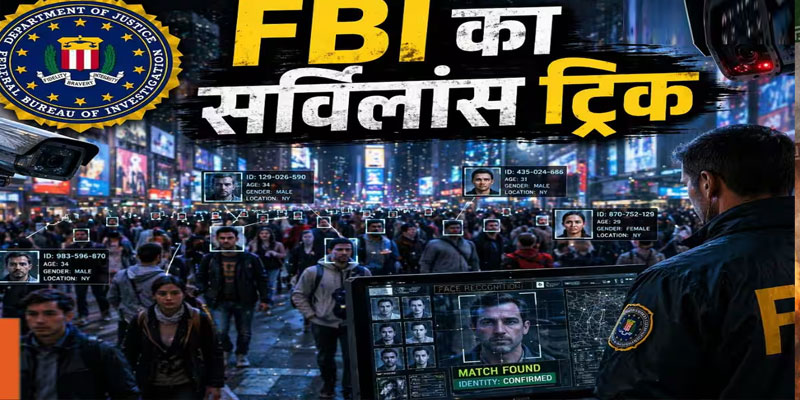
The latest enforcement action has substantially widened the scope of the investigation. The FBI announced a reward of up to US$50,000 for information leading to Goldy Brar's arrest, underscoring his status as a high-priority international fugitive.
Simultaneously, authorities in the United States, Canada and several European countries conducted coordinated raids under Operation Hard Ball, resulting in the arrest of 24 individuals, while 37 defendants have been charged across three federal indictments.
Investigators also seized nearly 1,000 kilograms of cocaine, alongside heroin, firearms and substantial amounts of cash, suggesting that the alleged criminal enterprise extends well beyond targeted assassinations to include large-scale narcotics trafficking, extortion and weapons smuggling.
Why the Nijjar Allegation Matters
The allegation linking the Bishnoi network to the killing of Hardeep Singh Nijjar carries significant geopolitical implications. Nijjar's assassination has already strained diplomatic relations between India and Canada, and the inclusion of the case in a major U.S. organised-crime prosecution adds another international dimension.
More importantly, American authorities are framing the investigation not merely as an isolated murder inquiry but as part of a broader effort to dismantle a criminal organisation allegedly involved in contract killings, drug trafficking, extortion and illegal cross-border logistics.
The FBI reward therefore represents more than a routine law-enforcement measure; it reflects growing concern that the network poses a wider public-safety threat across multiple jurisdictions.
A New Challenge for International Policing
The evolving investigation highlights how organised crime has become increasingly transnational, exploiting encrypted communications, financial networks and international mobility to evade domestic enforcement. The allegations against the Bishnoi network reinforce the need for closer intelligence-sharing, financial surveillance and extradition cooperation among countries confronting cross-border criminal organisations.
Organised Crime Demands Collective Response
The latest indictments, international arrests and FBI reward mark a significant turning point in the pursuit of the Bishnoi network. What was once regarded primarily as an Indian gang is now being investigated as a multinational criminal enterprise with alleged links to murder-for-hire, narcotics trafficking and organised violence across continents. As law-enforcement agencies intensify coordinated action, the case underscores that combating modern organised crime increasingly requires sustained international cooperation, sophisticated intelligence-sharing and unified legal action that extends well beyond national boundaries.
(With agency inputs)