The government is pushing a decisive shift toward Piped Natural Gas (PNG) for households, signaling a structural transformation in how India fuels its kitchens. With incentives like free gas worth ₹500 and waived security deposits, the move comes at a time when global energy routes remain volatile—turning a short-term disruption into a long-term opportunity.
A Strategic Shift to PNG
Under the Natural Gas and Petroleum Products Distribution Order, 2026, households in areas with PNG infrastructure are being nudged to transition from LPG. Users are being formally notified and given a three-month window to switch, after which LPG supply may be discontinued in those zones.
The response has been swift. Companies like Indraprastha Gas Limited (IGL), GAIL, and BPCL have driven aggressive adoption, adding nearly 2.5 lakh new connections in under a month—most of them from LPG users. In Delhi alone, applications are surging at around 1,500 per day, indicating strong urban acceptance.
Why PNG, Why Now
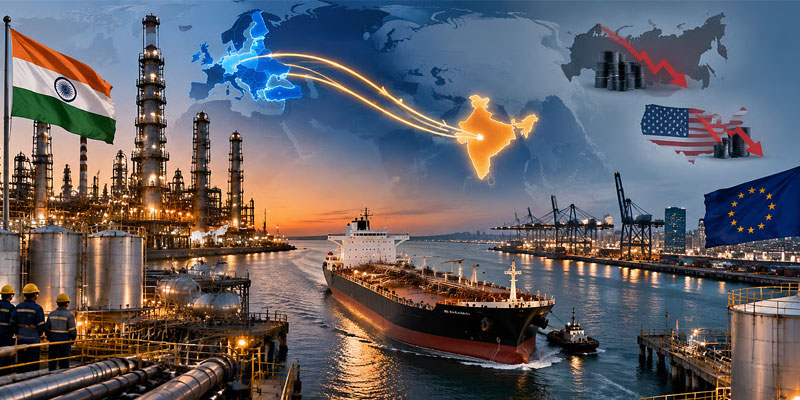
The timing is strategic. With over 55% of India’s LPG demand met through imports, global disruptions—especially in chokepoints like the Strait of Hormuz—pose a constant risk. In contrast, PNG relies largely on domestic sources, with nearly 70% of supply being indigenous.
This makes PNG not just an alternative, but a buffer against geopolitical shocks. By reducing dependence on imported LPG, India is insulating its household energy needs from global volatility while ensuring continuity of supply.
Preparedness for a Self-Sufficient Future
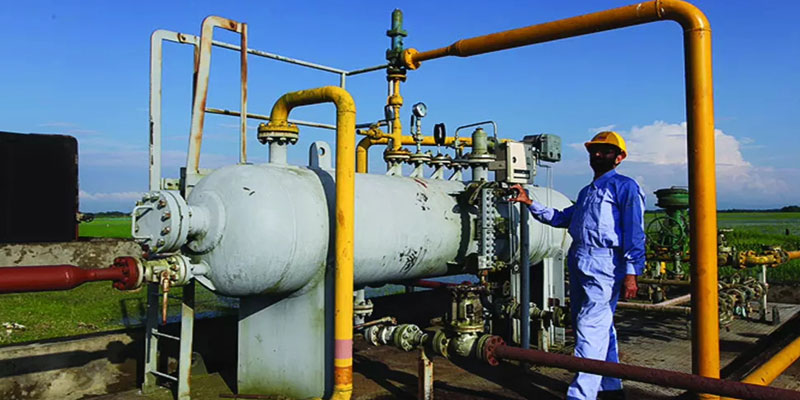
This transition reflects a broader, forward-looking energy strategy. India is not merely reacting to crises but reengineering its consumption patterns. PNG eliminates the logistical challenges of cylinder distribution, reduces leak risks, and integrates seamlessly with city gas distribution networks.
The government’s vision extends further—aligning PNG expansion with initiatives like SATAT for compressed biogas, paving the way for a cleaner and more sustainable energy mix. With a target to expand PNG coverage to 12% of households by 2030, the groundwork for a resilient, self-sufficient system is already being laid.
Economic and Environmental Upside
PNG is not only more stable but also more economical. At roughly ₹50–60 per kg, it offers significant savings compared to LPG cylinders priced between ₹800–900. Over time, households can expect 20–30% lower cooking fuel costs.
Environmentally, the benefits are equally compelling. PNG burns cleaner, contributing to reduced urban pollution—an increasingly urgent priority for cities like Delhi and Mumbai.
Challenges in the Transition
While urban areas are rapidly adapting, rural regions still lack the necessary infrastructure. Ensuring equitable access remains a challenge. However, the phased rollout, coupled with formal notifications and transition windows, aims to balance urgency with fairness.
A Crisis Turned Catalyst
India’s push toward PNG marks a pivotal shift in its energy narrative. What began as a response to global uncertainty is evolving into a blueprint for self-reliance. By investing in cleaner, domestic, and efficient fuel systems, India is not just preparing for the next crisis—it is actively shaping a future where energy security is homegrown, stable, and sustainable.
(With agency inputs)