Dealers Asked to Pay Upfront
India’s state-owned fuel giants have begun demanding advance payments from dealers for petrol and diesel, marking a major shift in how the country’s fuel retail system operates. Companies like Indian Oil Corporation, Bharat Petroleum Corporation Limited, and Hindustan Petroleum Corporation Limited—which together supply nearly 90% of India’s fuel outlets—have scrapped the earlier five-day credit system.
This move replaces a long-standing practice of flexible payments with upfront cash requirements, placing immediate financial pressure on thousands of fuel station operators across the country.
Fuel Crisis Deepens: What Triggered the Shift
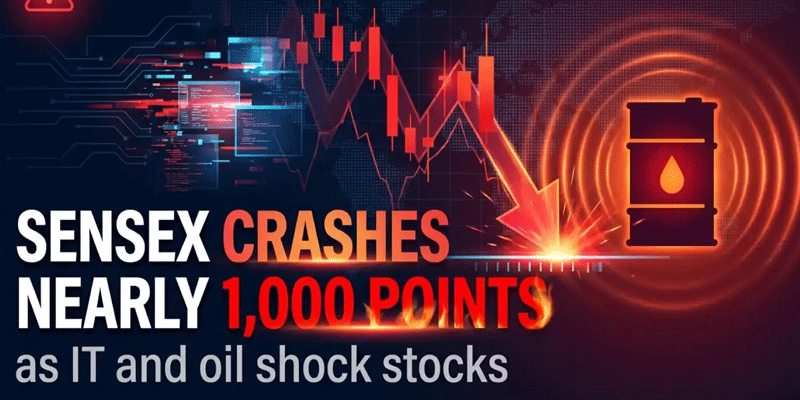
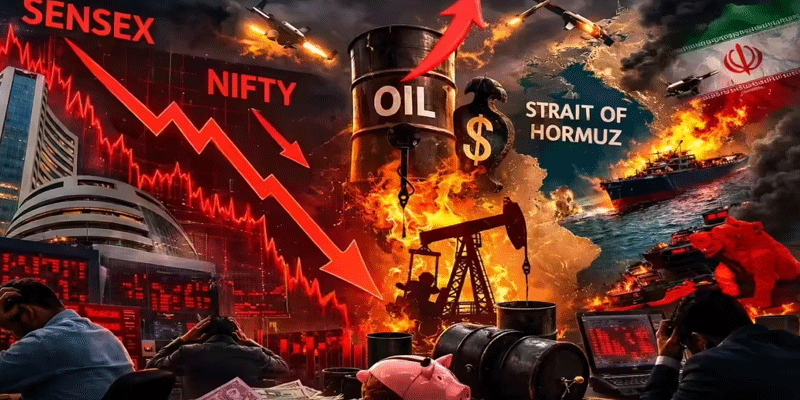
At the heart of this decision lies a deepening fuel crisis. Global crude oil prices have surged past $100 per barrel, while domestic retail prices in India remain largely frozen to shield consumers. This mismatch has led to massive under-recoveries for oil marketing companies (OMCs), forcing them to absorb billions in losses.
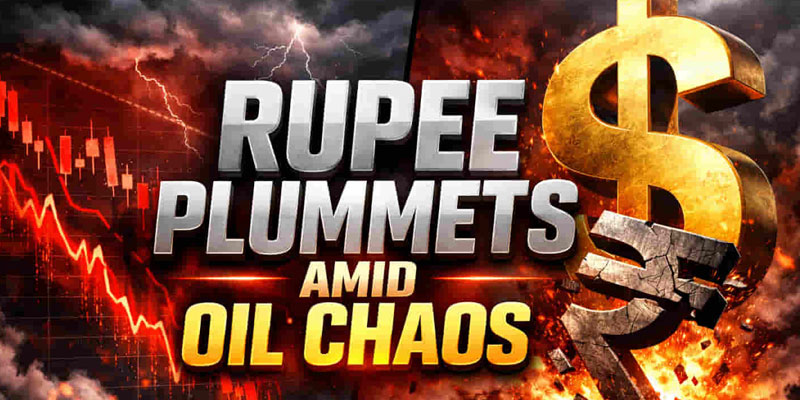
The situation has been worsened by disruptions in the Strait of Hormuz, a key supply route that handles nearly 40% of India’s crude imports. Ongoing geopolitical tensions have increased freight and insurance costs, while a weakening rupee has further inflated import bills.
Refining margins have also spiked, adding to the financial strain. As a result, OMCs are facing a liquidity crunch, prompting them to secure cash flows by shifting the burden downstream to dealers.
Dealer Backlash and Ground-Level Stress
Fuel dealers have reacted sharply, calling the move unsustainable. Many operate on thin margins and depend on short-term credit to manage daily operations. Importantly, dealers themselves extend credit to bulk consumers such as transporters and government departments, creating a cascading cash flow cycle.
The sudden shift to advance payments disrupts this ecosystem. Smaller dealers, in particular, risk running out of working capital, potentially leading to reduced fuel availability or even temporary shutdowns of outlets. Industry bodies have warned that if the policy continues, it could trigger supply chain disruptions at the retail level.
Economic Ripple Effects Across Sectors
The impact of the crisis extends far beyond fuel pumps. Rising input costs are already pushing up logistics and transportation expenses, which in turn affect manufacturing and retail prices. Even though pump prices remain officially stable, underlying pressures are building within the system.
Inflation risks are mounting, and economic growth could face headwinds if the situation persists. For OMCs, continued losses may affect expansion plans, infrastructure investments, and dividend payouts, creating broader financial implications.
A Delicate Balancing Act
India’s shift to advance fuel payments reflects a system under stress, caught between protecting consumers and sustaining industry viability. While the move offers short-term relief to oil companies, it transfers the burden to dealers and risks destabilising the retail network.
The larger challenge lies in finding a sustainable balance—whether through targeted subsidies, pricing reforms, or diversification of energy sources. As global uncertainties persist, India’s fuel strategy will need to evolve quickly to ensure both economic stability and energy security.
(With agency inputs)