Pakistan to Close Schools, Cut Fuel Use Amid Oil Shock
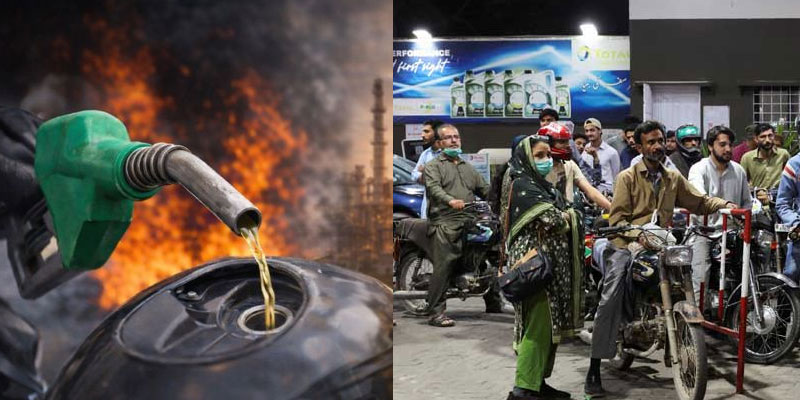
Pakistan has announced sweeping austerity measures—including temporary school closures and work-from-home mandates—to reduce fuel consumption as global oil prices surge due to the Iran conflict. Prime Minister Shehbaz Sharif unveiled the steps on March 9, describing them as “difficult but essential” to stabilize the economy during an external energy shock.
The measures reflect the fragile state of Pakistan’s economy, which relies heavily on imported energy and remains vulnerable to sudden price spikes in global markets.
Oil Shock Hits a Fragile Economy
The crisis was triggered by a sharp rise in global crude prices after military strikes in Iran disrupted energy markets. Brent crude surged above $120 per barrel, significantly raising Pakistan’s import costs.
The situation is particularly alarming given the country’s existing economic challenges. Inflation is already running close to 28% year-on-year, and the national currency remains under pressure. Pakistan’s power sector is also burdened with circular debt exceeding Rs 2.5 lakh crore, worsening the risk of electricity shortages and financial instability.
Government Measures to Cut Fuel Consumption
To cope with the crisis, the government has introduced several demand-side measures designed to quickly reduce fuel usage.
The most dramatic step is the closure of schools for two weeks beginning March 16, affecting millions of students across the country. Universities and colleges are expected to shift to online instruction immediately.
The government has also directed public offices to adopt a hybrid work system, with half of employees working from home and the rest rotating in shifts. A four-day workweek has been introduced for many departments, while official travel has been curtailed and fuel allowances for government vehicles cut significantly.
Authorities believe these steps could reduce national fuel consumption by 10–15%, buying the government several weeks of relief while it explores alternative energy supplies and financial support.
Public and Political Backlash Over School Closures
The decision to shut schools has triggered widespread public criticism. Pakistan has more than 50 million students, and many parents fear that another interruption will deepen learning gaps already worsened by floods and past crises.
Working families are particularly concerned about childcare and the practical challenges of online education. Many households lack reliable internet access or multiple devices for children to attend virtual classes.
Political opposition has also seized on the issue. Leaders from the opposition party Pakistan Tehreek‑e‑Insaf have accused the government of sacrificing education to manage the fuel crisis. On social media, hashtags criticizing the decision have trended widely, with users arguing that the move reflects deeper economic mismanagement.
At the same time, some citizens acknowledge the severity of the situation. With frequent power outages and rising fuel prices already straining daily life, a segment of the public views the measures as unavoidable under the circumstances.
A Short-Term Fix for a Deeper Problem
Pakistan’s emergency measures illustrate how quickly global geopolitical tensions can translate into domestic economic crises. By closing schools and restricting fuel consumption, the government hopes to gain temporary breathing space.
However, the episode also highlights deeper structural vulnerabilities—heavy dependence on imported energy, limited reserves, and fragile public finances. Unless Pakistan diversifies its energy sources and strengthens its economic resilience, similar shocks could trigger recurring crises in the future.
(With agency inputs)