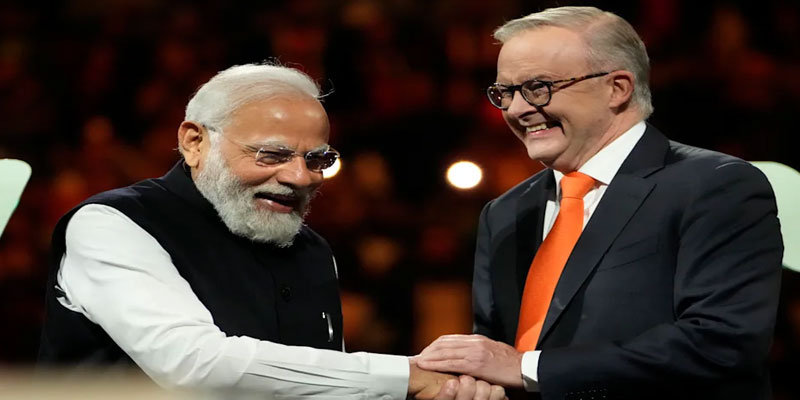
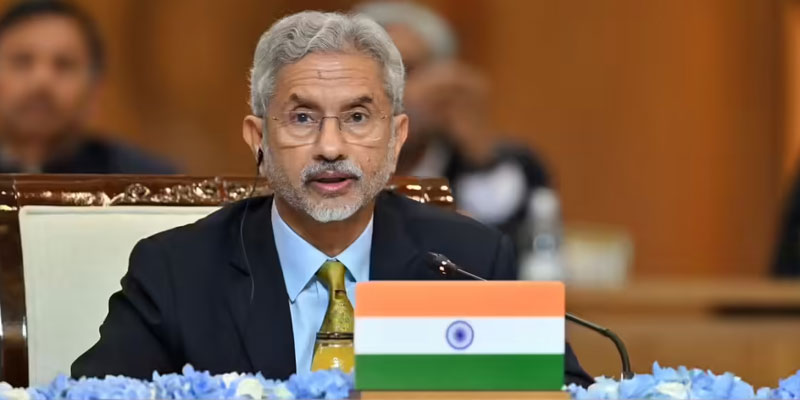
India is set to place the escalating West Asia crisis—particularly the effective blockade of the Strait of Hormuz—at the centre of its upcoming Heads of Mission conference next week. The high-level gathering in New Delhi, scheduled from 28 to 30 April, will bring together India’s top diplomats, with Narendra Modi expected to address envoys alongside key figures like S. Jaishankar and Ajit Doval. The focus signals a strategic shift: Gulf security and energy routes are now central to India’s foreign policy thinking.
Understanding the Crisis: Why Hormuz Matters
The Strait of Hormuz is one of the world’s most critical global chokepoints, connecting the Persian Gulf to global markets. A significant portion of the world’s oil supply passes through this narrow corridor daily. However, tensions between United States and Iran have turned it into a volatile flashpoint.
Since early 2026, Iran has effectively restricted movement through the strait, reportedly using naval pressure tactics and imposing steep transit demands on commercial vessels. In response, the US has adopted a counter posture, increased military presence and reinforced its own strategic positioning. The result is a dramatic slowdown in maritime traffic—from over 100 vessels a day to just a fraction—disrupting global oil flows and trade routes.
Why This Moment Is Critical for India
For India, the stakes are exceptionally high. Nearly three-quarters of its oil imports pass through the Gulf, making uninterrupted access to Hormuz vital for energy security. Any prolonged disruption risks driving up fuel costs, impacting inflation, and straining economic stability.
Equally significant is the human dimension. Millions of Indian citizens live and work in Gulf countries, contributing substantially to remittance inflows. A deteriorating security environment could threaten both livelihoods and evacuation logistics, adding another layer of urgency to India’s diplomatic efforts.
The government has already labeled attacks on commercial shipping and restrictions in the strait as unacceptable. Behind the scenes, New Delhi has been engaging with multiple stakeholders—including Iran, the US, and Gulf nations—to ensure safe passage for Indian-linked vessels. Reports of limited “friendly corridors” suggest early успех in these efforts, though the situation remains fragile.
Strategic Messaging at the Heads of Mission Meet
The upcoming conference is expected to use the Hormuz crisis as a framework for broader foreign policy recalibration. India faces a complex geopolitical landscape, balancing ties with the US and its partners while maintaining working relationships with Iran and other regional actors.
Key discussions are likely to emphasize a dual strategy: advocating for de-escalation while simultaneously reducing dependence on any single region. This includes diversifying energy sources, strengthening alternative trade routes, and building resilient supply chains.
The messaging to Indian diplomats will likely reinforce a multipolar approach—one that avoids rigid alignments and instead prioritizes strategic autonomy. In a world marked by overlapping conflicts, from West Asia to Eastern Europe and East Asia, India is positioning itself as a stabilizing force that engages across divides.
Navigating Turbulence with Strategic Balance
The focus on the Strait of Hormuz at the Heads of Mission conference reflects a deeper reality: global chokepoints are no longer just economic assets but geopolitical fault lines. For India, ensuring stability in these regions is not optional—it is essential to national security and economic resilience.
As tensions persist, India’s approach will hinge on careful diplomacy, diversification, and preparedness. The challenge lies in managing immediate risks while building long-term safeguards. In doing so, India aims to chart a course that balances pragmatism with principle in an increasingly uncertain world.
(With agency inputs)